

Big rent hikes — a made-in-Manitoba problem
Advertisement
Read this article for free:
or
Already have an account? Log in here »
To continue reading, please subscribe:
Monthly Digital Subscription
$1 per week for 24 weeks*
- Enjoy unlimited reading on winnipegfreepress.com
- Read the E-Edition, our digital replica newspaper
- Access News Break, our award-winning app
- Play interactive puzzles
*Billed as $4.00 plus GST every four weeks. After 24 weeks, price increases to the regular rate of $19.95 plus GST every four weeks. Offer available to new and qualified returning subscribers only. Cancel any time.
Monthly Digital Subscription
$4.99/week*
- Enjoy unlimited reading on winnipegfreepress.com
- Read the E-Edition, our digital replica newspaper
- Access News Break, our award-winning app
- Play interactive puzzles
*Billed as $19.95 plus GST every four weeks. Cancel any time.
To continue reading, please subscribe:
Add Free Press access to your Brandon Sun subscription for only an additional
$1 for the first 4 weeks*
*Your next subscription payment will increase by $1.00 and you will be charged $16.99 plus GST for four weeks. After four weeks, your payment will increase to $23.99 plus GST every four weeks.
Read unlimited articles for free today:
or
Already have an account? Log in here »
Premier Wab Kinew began 2026 by capping the price of milk in a bid to make life more affordable for Manitobans.
Now, Manitobans feeling the pinch of stagnant wages and inflation won’t have to swallow cost increases with their morning bowl of cereal. This spring, the premier has an opportunity to address one of the single largest monthly household expenses paid by Manitobans: rent.
Few provinces regulate milk prices, but most Canadian jurisdictions regulate rents. In Manitoba, rent increases are allowed once a year and capped based on changes in the consumer price index. This annual rent guideline is a fair process that accounts for increased costs while protecting tenants from rent gouging.
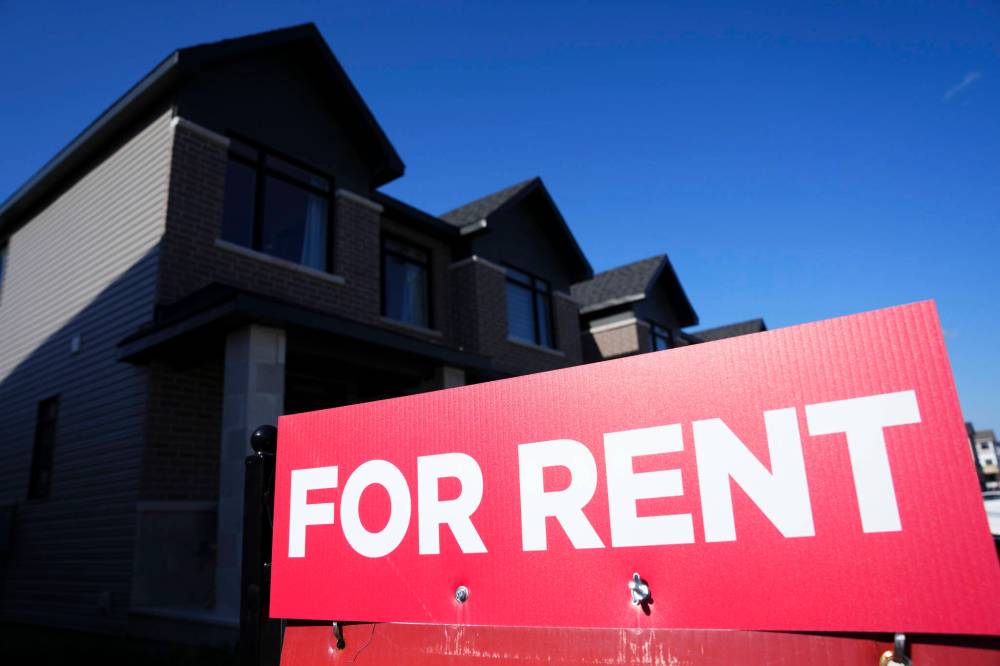
CANADIAN PRESS/Sean Kilpatrick
Renters in Manitoba need relief from unreasonable rent increases — and soon.
Despite these rules, each year thousands of tenants continue to face huge rent hikes — some well over 100 per cent.
Some of those tenants live in buildings less than 20 years old, which are exempt from rent guidelines. Others can face unlimited increases if their rent is above $1,670. Manitoba is the only province with this rule, which penalizes families who need higher-priced multi-bedroom units. Together these exemptions affect a staggering one-third of all purpose-built rentals, leaving over 30,000 households vulnerable to losing their homes due to unaffordable rent hikes.
Those units which remain covered by rent regulations still face large hikes permitted through above-guideline increases (AGIs). AGIs are routinely approved when landlords show rising operating costs or capital expenses, such as major repairs or appliance replacements — regardless of the amount and impact on the renter.
What seems like a common-sense cost-recovery tool is, in fact, an incredibly unfair mechanism that inflates landlord profits at renters’ expense. It’s also a uniquely Manitoban problem.
B.C. and Ontario also use rent guidelines and allow landlords to recover costs, but tenants there never face double-digit rent increases, never mind doubled rents. Manitoba’s extreme hikes and unfair process are caused by three major factors.
First, Manitoba’s much longer list of eligible expenses which a landlord can recover from tenants results in higher rent increases. Our regulations allow landlords to claim 16 categories of operating expenses, compared to just three in Ontario — extraordinary increases in municipal taxes, utilities, or security costs. B.C. allows just two, and the landlord must establish a financial loss.
B.C. and Ontario exclude capital expenses unless they provide at least five years of benefit. Anything less is considered a routine expense that should already be factored into the rent. Manitoba allows permanent rent increases for items that might be replaced in three years or less, allowing landlords to claim another increase for the replacement.
The second major driver of Manitoba’s absurdly high AGI rent increases is how capital expenses are recouped. Eligible expenses are multiplied at rates of one-third, one-quarter, one-sixth or one-eighth, depending on the expense claimed, regardless of the investment’s expected lifespan. In contrast, B.C. and Ontario calculate AGIs based on the useful life of the expense.
In both cases, the landlord recoups the full cost, but in Manitoba, the tenant’s rent increase will be more than double that of B.C. or Ontario. If we think about it as amortizing the cost of an expense, we can see the unfairness of Manitoba’s system. For example, amortizing a big expense like a roof repair over its 20-year lifespan produces a small monthly increase compared to Manitoba’s eight-year period.
By the time the roof needs replacing again, the tenants will have paid that cost twice and still be expected to pay for it again.
The third reason for Manitoba’s limitless AGI rent increases is simply that they have no limit. B.C. and Ontario cap AGIs at nine per cent, phased in at no more than three per cent annually. In Ontario, once the capital cost is recouped, the rent goes back down.
Manitoba’s increases are permanent. Tenants must continue paying the higher rent long after costs are recovered. Landlords pocket the difference, forever. Any new increase is based on the newer, higher rent, compounding the unfairness.

Tenants, hit hard by high increases, have called on the government to fix the system for years. A reduction in eligible expenses, a fair calculation for capital expenses, and a limit to the duration and amount of the rent increase will restore fairness to the AGI system. Rent control exemptions must be closed.
The Right to Housing Coalition included these proposals in our 2023 Social Housing Action Plan, and it seems that change might finally be coming.
Bill 13, the Residential Tenancies Amendment Act, is due to be introduced in March. In November, the throne speech mentioned it would include “new rules to stop unfair rent increases and strengthen renters’ rights.”
The one-third of Manitobans who rent will be watching closely. If the bill or its regulations don’t implement the necessary changes, thousands of households will face the difficult choice between paying inflated rent or buying groceries, and the savings on a carton of milk won’t be enough to help.
Yutaka Dirks is a senior policy advisor with the Canadian Centre for Housing Rights and a member of The Right to Housing Coalition.