A labour of love

Comic collection skewers power dynamics while finding hope amid characters’ struggles

Advertisement

Advertise with us

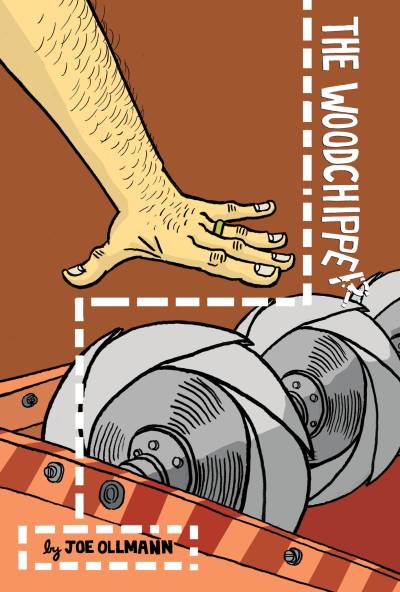
Like a high-efficiency wood chipper, service jobs can chew people up and spit them out.

Read this article for free:


or

Already have an account? Log in here »

To continue reading, please subscribe:

Subscribe and receive a limited-edition Free Press branded hat or tote.

Digital Subscription

One year of digital access for only $205*

  • Enjoy unlimited reading on winnipegfreepress.com
  • Read the E-Edition, our digital replica newspaper
  • Access News Break, our award-winning app
  • Play interactive puzzles

*First annual payment billed as $205.00 + GST for one year. This annual subscription will automatically renew at $233.00 + GST every 52 weeks (10% off the regular annual price of $259.35). Offer available to new and qualified returning subscribers only. Cancel any time.

To continue reading, please subscribe:

Add Free Press access to your Brandon Sun subscription for only an additional

$1 for the first 4 weeks*

  • Enjoy unlimited reading on winnipegfreepress.com
  • Read the E-Edition, our digital replica newspaper
  • Access News Break, our award-winning app
  • Play interactive puzzles
Start now

*Your next Brandon Sun subscription payment will increase by $1.00 and you will be charged $17.95 plus GST for four weeks. After four weeks, your payment will increase to $24.95 plus GST every four weeks.

Hey there, time traveller!
This article was published 23/02/2026 (228 days ago), so information in it may no longer be current.

Like a high-efficiency wood chipper, service jobs can chew people up and spit them out.

The Woodchipper, a standout collection of short comics from Governor General’s Literary Awards finalist Joe Ollmann, follows a diverse cast of characters who inevitably find themselves out of their depth, both on the job and in their personal lives. With acerbic wit and the comedic timing of a veteran cartoonist, Ollmann skewers power dynamics and class hierarchies while mining everyday struggles for heartbreak and hope.

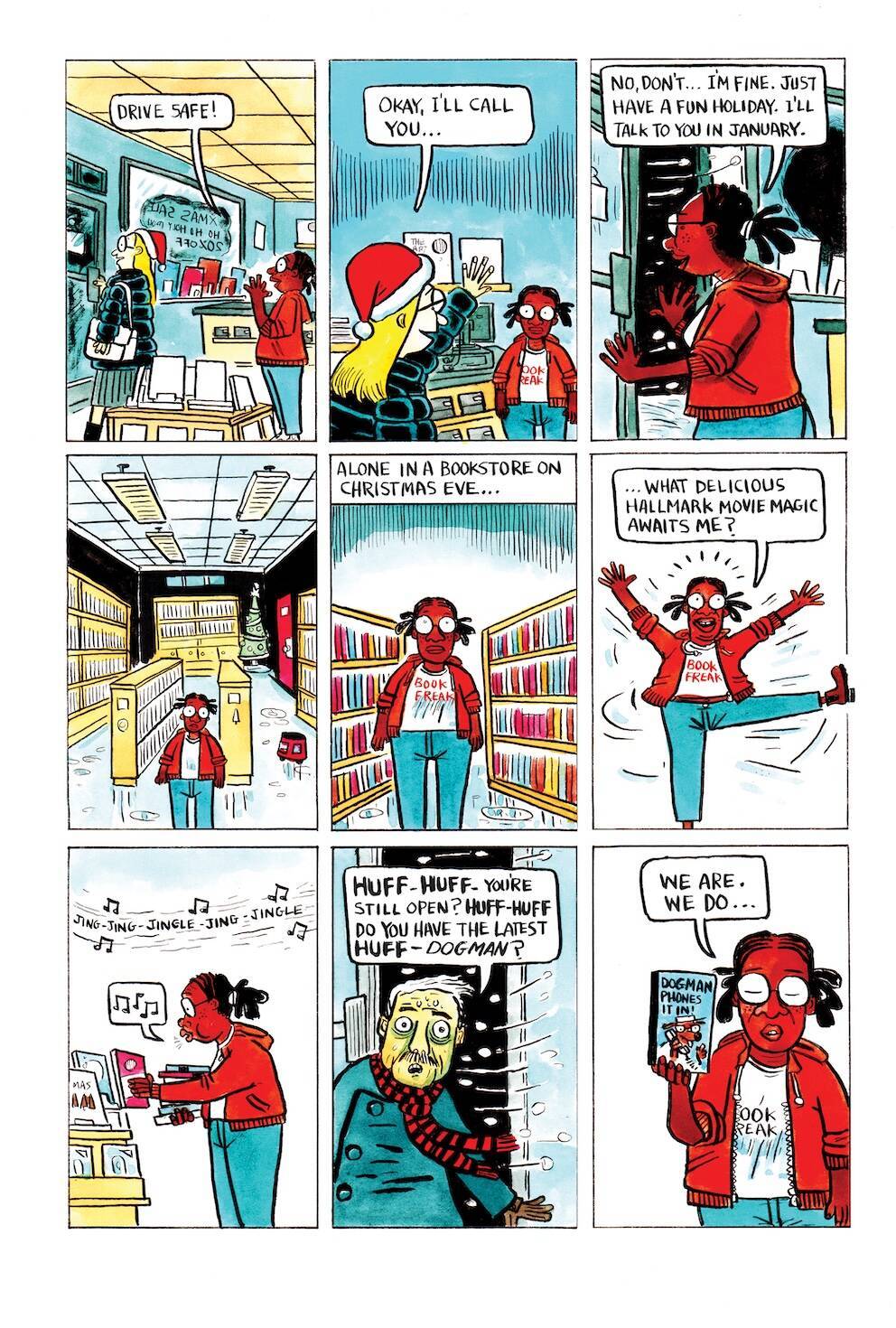
Amid disasters of varying scale, The Woodchipper’s characters also contemplate their place in the world, often feeling as boxed in by personal circumstances as they do by job-induced ones. In Nestled All Snug, bookseller Sasha experiences both, as she ends up trapped in a bathroom at her workplace right before closing the shop for the holidays. Even after nodding off from exhaustion, Sasha dreams of not of sugar plums, but of microaggressions from her boyfriend’s family; not even on Christmas Eve is there is peace to be found.
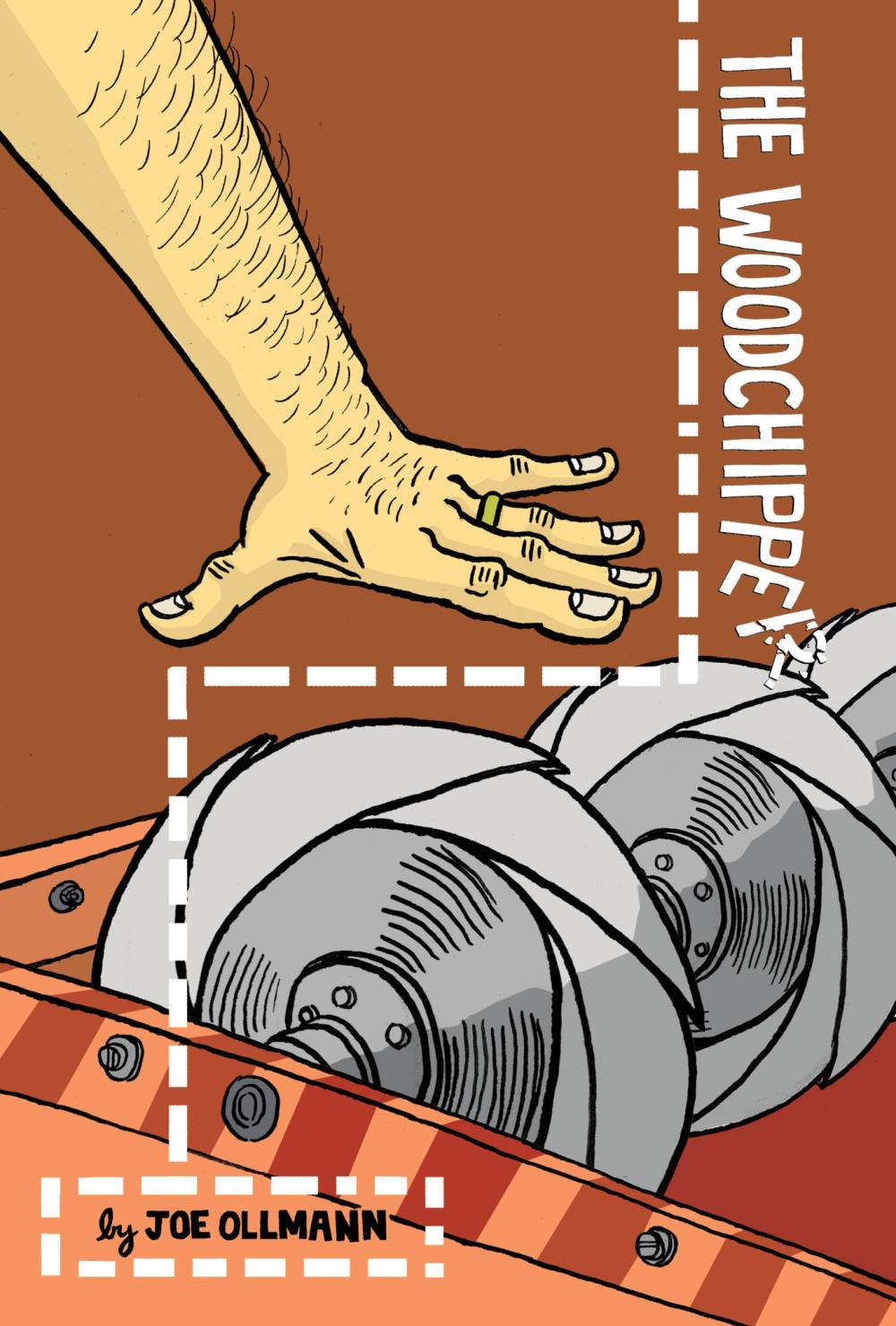
The Woodchipper

The Woodchipper

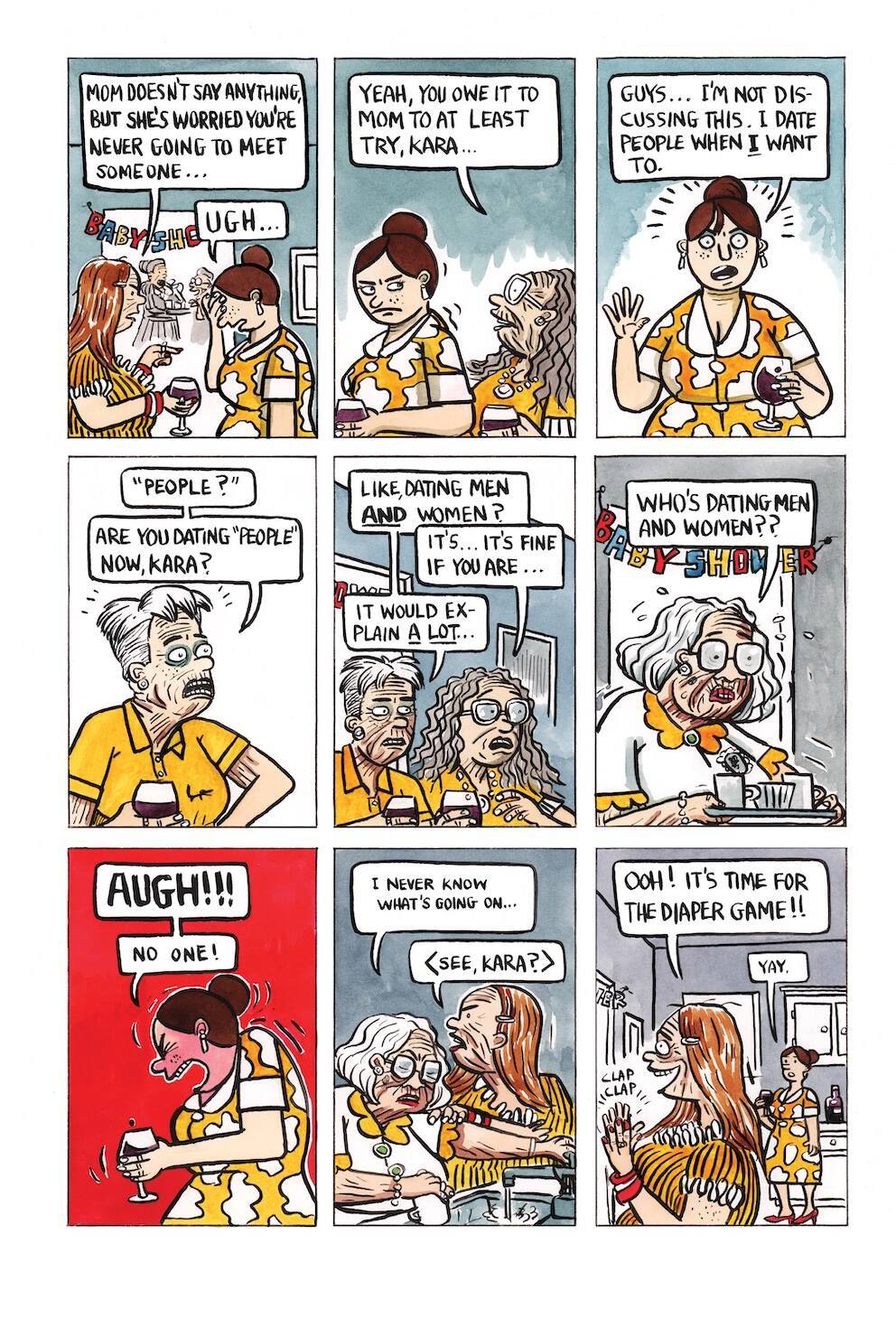
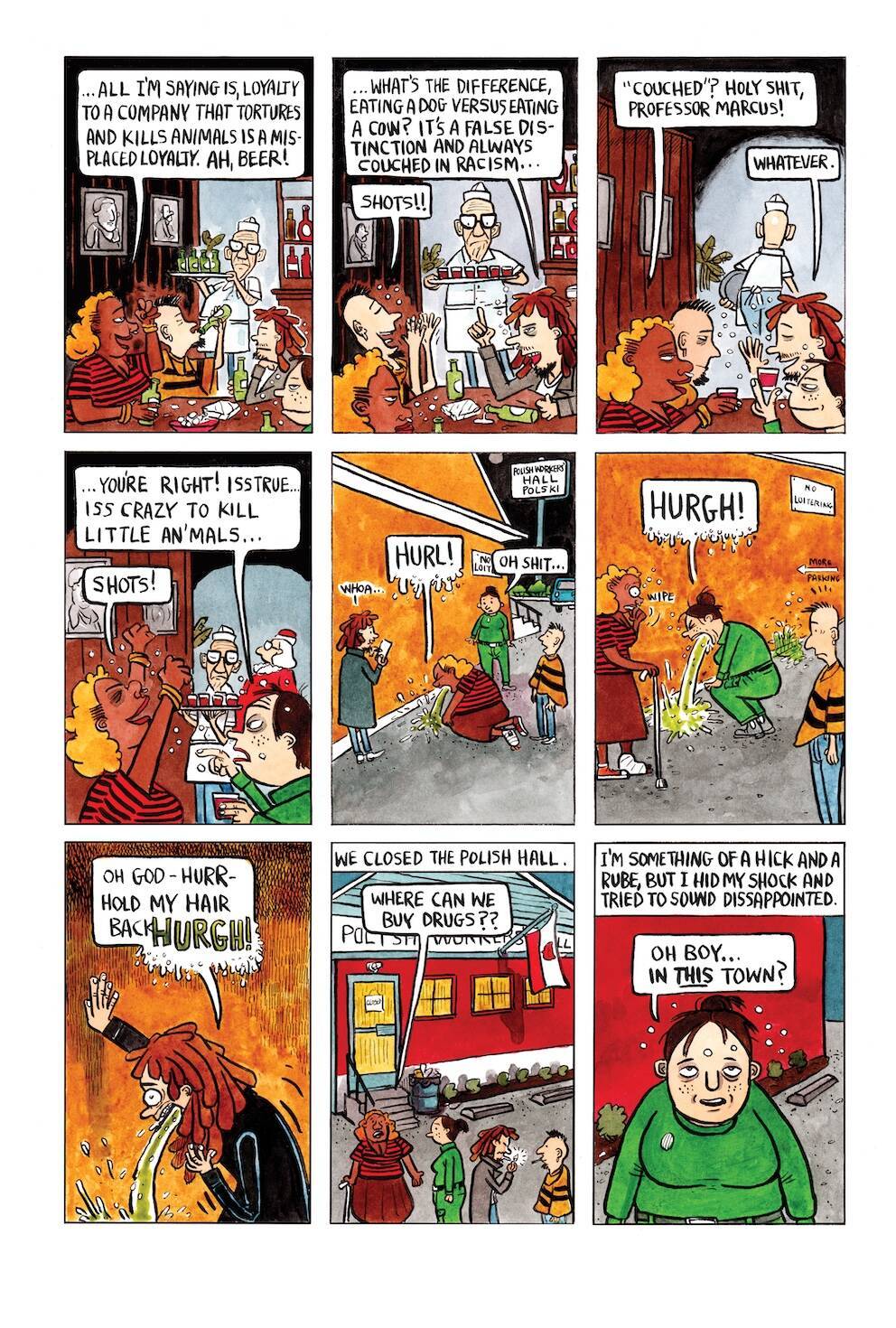
Ollmann crafts the palpable unease in these five slice-of-life-comics through their duelling narratives — what’s happening outwardly (a lot of the time, seemingly nothing) and what’s happening on a character’s face and, by extension, in their head (numerous overlapping anxieties and traumas).

The interplay between the two is unnerving but endlessly entertaining, as is the volume’s introduction, in which a cartoon version of Ollmann offers up cheeky remarks about the merits of graphic fiction amidst current trends in book marketing, and the reception of short stories in particular. More snippets of the author’s trademark humour can be found in the collection’s Notes, which also boasts sketches of everyday sundries clad in sardonic packaging.

But to call Ollmann a cynic would overlook the author’s obvious affection for The Woodchipper’s ragtag bunch and the engaging interiority he provides them.

These characters spring to life through thick, colour-saturated lines and sweat-drenched expressions that betray their attempts to stay calm in a crisis. Many seem to want to escape the nine-panel grid in which they’re contained, as the author ramps up anxiety only to leave a subsequent panel abruptly blank — a fitting technique for stories that aren’t necessarily interested in a clear resolution.

Instead, Ollmann is interested in empathy, and how it might function (or not) amongst those whose profession might not be exactly noble. In the eponymous Woodchipper, such a sentiment is met with derision when maintenance supervisor Charlie is mocked for having a panic attack by the same young co-worker whose negligence incited it.
Supplied / self-portrait
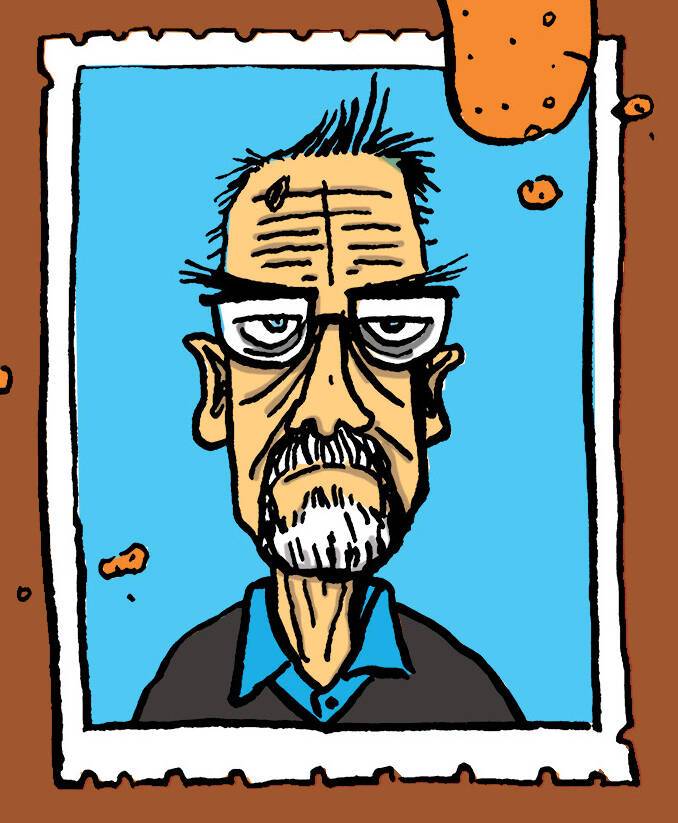
                                Joe Ollmann self-portrait

Supplied / self-portrait

Joe Ollmann self-portrait

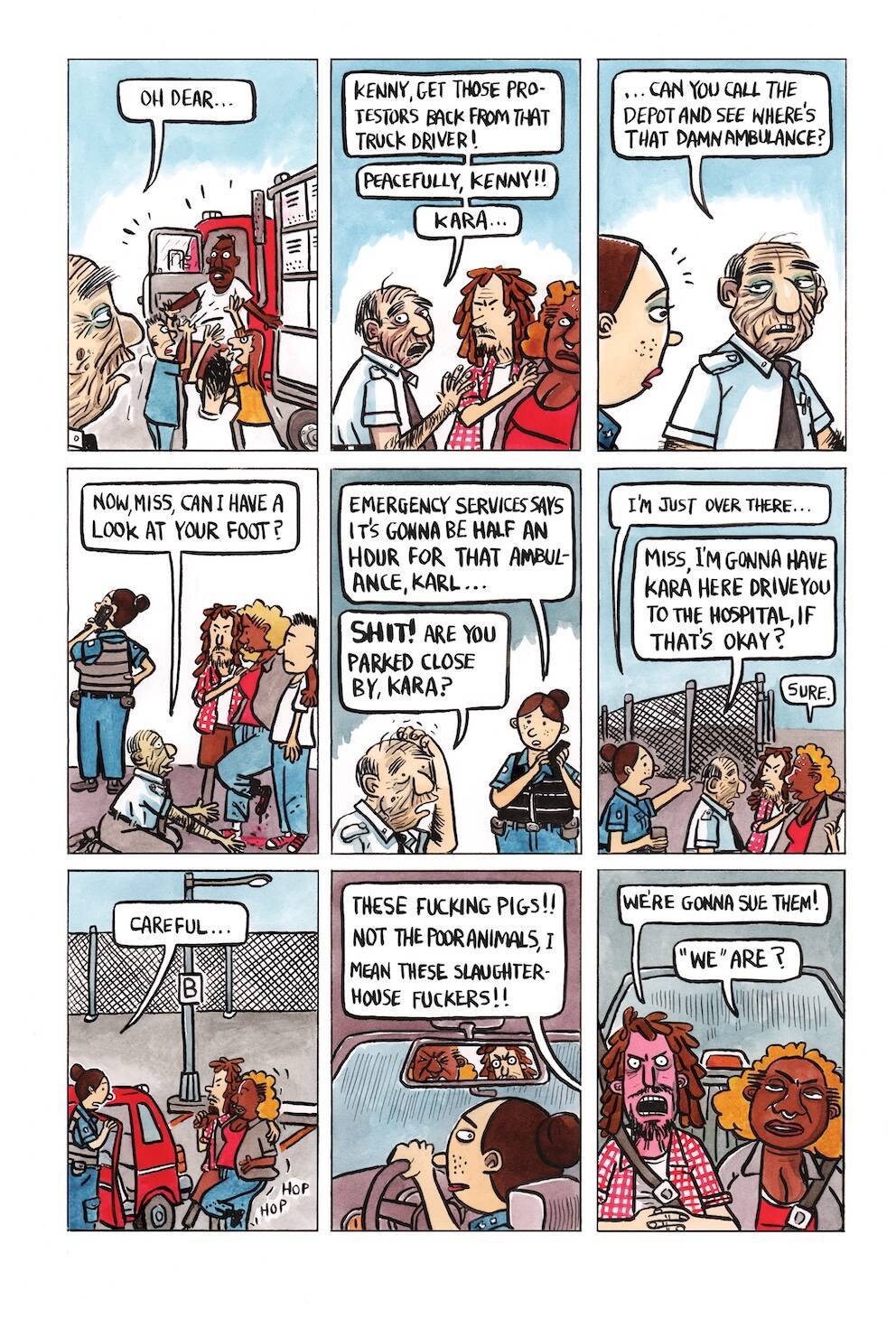
Likewise, Meat features Kara, a security guard who is radicalized, in large part, by her empathy towards protesters outside her facility, which is considered a betrayal to her peers and the company she works for.

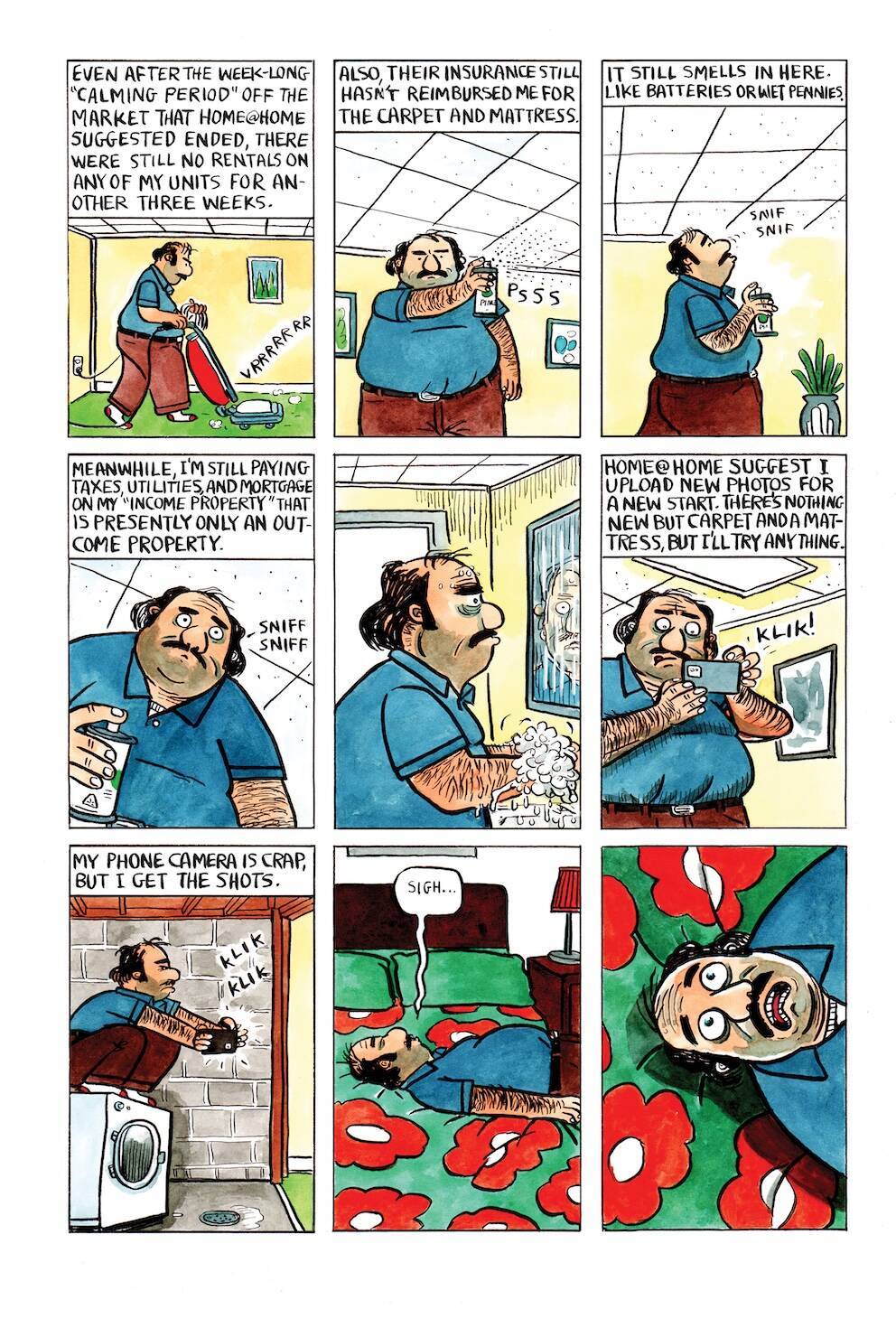
For others, empathy is conditional, or absent altogether; in The Late Checkout, Airbnb owner Kevin finally feels something like compassion when in the shoes of someone he’s exploited. The volume’s last story, The Thought That Counts, finds video-store manager and “faculty wife” Brian choking back resentment upon discovering how little his spouse’s film-professor colleague knows about film. But, as the author points out, “people need jobs!” and remains even-handed in his portrayals.

Though unscrupulous at times, no one here is truly dastardly; when burnout and stressors abound, personal blind spots and questionable decision-making can become inevitable.

They also make for dynamic storytelling that feels real and complete. A masterclass in short comics, The Woodchipper lays bare the indignities of labour and the humanity in failure with candor and heart.

Nyala Ali writes about race and gender in contemporary narratives.
Report Error Submit a Tip

More Stories

Bit of creepy consultation could go a long way

Maureen Scurfield 5 minute read 2:01 AM CDT

DEAR MISS LONELYHEARTS: Halloween has always been my favourite time of year. I do my house up with lots of spooky lighting and characters on the lawn with eerie sounds booming out.

But last year I got seriously hassled by some people in the neighbourhood who thought it was too creepy. How do I get them on board this year? I don’t want to fight with them again.

— Want to Be Good Neighbour, River Heights

Dear Good Neighbour: Go to your close neighbours and explain what you want to do with your yard for Halloween this year, and also provide them with a firm time by which the celebrating will wrap up and things can quiet down.

Alarm bells ring as contact tracing clock ticks on

Tom Brodbeck 4 minute read Thursday, Oct. 29, 2020

The provincial government says it doesn’t know how long it’s taking for public health officials to connect with people infected with COVID-19 or their close contacts.

With infection rates and the number of COVID-19 patients admitted to hospital growing at an alarming rate, the province’s inability (or refusal) to share contact tracing data with the public raises serious questions about how many people may be spreading the novel coronavirus unwittingly.

The Free Press has asked the provincial government repeatedly over the past week for pandemic contact tracing information, including how long it’s taking public health officials to follow up with people who test positive and to track down their close contacts.

“We do not have these statistics readily compiled, and do not have the capacity to pull them at this time,” a government spokeswoman said in an email Wednesday.

More time at work is not always more productive work

Tory McNally 5 minute read Preview

More time at work is not always more productive work

Tory McNally 5 minute read Saturday, May. 2, 2026

There is a quiet assumption built into many workplaces that more time equals more value.

The employee who answers emails late into the evening is seen as committed. The manager who skips lunch and powers through 12-hour days is admired for their work ethic. The team that keeps stretching to absorb one more vacancy, one more project, one more urgent ask is praised for stepping up.

It feels productive. It looks productive. But often, it is not.

Canada’s productivity conversation has increasingly focused on a simple but important measure: output per hour worked. In other words, what are we actually producing for the time we are putting in?

Read
Saturday, May. 2, 2026

Other cities build rapid transit, while we wait

Ken Klassen 4 minute read Preview

Other cities build rapid transit, while we wait

Ken Klassen 4 minute read 2:00 AM CDT

Winnipeg’s civic election campaign has produced no shortage of promises to improve transit safety and fix problems with the new network. Those issues are real and urgent. But they should not distract from a larger failure — while other Canadian urban regions secure billions in federal support to transform their transit systems, Winnipeg is falling further behind.

The Winnipeg Transit Master Plan, approved in 2021, sets the right vision — frequent, reliable service anchored by an expanded bus rapid transit (BRT) network. Yet not a single additional BRT corridor has been approved for construction. The modest network proposed in the plan is not projected to be completed until 2045 or beyond. Despite that, city council voted this summer to delay updating the master plan by two years.

The full BRT network was estimated at $588 million to $1.1 billion in 2020 — or roughly $720 million to $1.34 billion today, after accounting for construction inflation. That is substantial, but modest compared with what other cities are spending. Calgary, Edmonton, Hamilton, Ottawa and Quebec City have rapid transit projects under way or recently completed, totalling about $26 billion and backed by $7.3 billion in federal commitments. Vancouver, Toronto and Montreal are spending billions more with federal support.

Other cities build. Winnipeg waits.

Read
2:00 AM CDT

Winnipeg more than its worst headlines

Marwa Suraj 4 minute read 2:00 AM CDT

Winnipeg takes a reputational beating sometimes and some of the criticism is deserved.

Concerns about public safety are real. Homelessness remains painfully visible. Too many people are struggling with addiction, poverty, mental illness and inadequate housing in plain sight.

Those concerns deserve to be taken seriously. But a city can be making measurable progress, struggling badly in other areas and still be reduced unfairly to its worst headlines. Winnipeg deserves neither denial nor caricature.

Take public safety.

Comic collection skewers power dynamics while finding hope amidst characters’ struggles

Reviewed by Nyala Ali 4 minute read Preview

Comic collection skewers power dynamics while finding hope amidst characters’ struggles

Reviewed by Nyala Ali 4 minute read Monday, Feb. 23, 2026

Like a high-efficiency wood chipper, service jobs can chew people up and spit them out.

The Woodchipper, a standout collection of short comics from Governor General’s Literary Awards finalist Joe Ollmann, follows a diverse cast of characters who inevitably find themselves out of their depth, both on the job and in their personal lives. With acerbic wit and the comedic timing of a veteran cartoonist, Ollmann skewers power dynamics and class hierarchies while mining everyday struggles for heartbreak and hope.

Amid disasters of varying scale, The Woodchipper’s characters also contemplate their place in the world, often feeling as boxed in by personal circumstances as they do by job-induced ones. In Nestled All Snug, bookseller Sasha experiences both, as she ends up trapped in a bathroom at her workplace right before closing the shop for the holidays. Even after nodding off from exhaustion, Sasha dreams of not of sugar plums, but of microaggressions from her boyfriend’s family; not even on Christmas Eve is there is peace to be found.

Ollmann crafts the palpable unease in these five slice-of-life-comics through their duelling narratives — what’s happening outwardly (a lot of the time, seemingly nothing) and what’s happening on a character’s face and, by extension, in their head (numerous overlapping anxieties and traumas).

Read
Monday, Feb. 23, 2026