Sweet as Candy
Biography of beloved, complicated comedic icon ensures legacy lives on

Advertisement
Read this article for free:
or
Already have an account? Log in here »
To continue reading, please subscribe:

Digital Subscription
One year of digital access for only $205*
- Enjoy unlimited reading on winnipegfreepress.com
- Read the E-Edition, our digital replica newspaper
- Access News Break, our award-winning app
- Play interactive puzzles
*First annual payment billed as $205.00 + GST for one year. This annual subscription will automatically renew at $233.00 + GST every 52 weeks (10% off the regular annual price of $259.35). Offer available to new and qualified returning subscribers only. Cancel any time.
To continue reading, please subscribe:
Add Free Press access to your Brandon Sun subscription for only an additional
$1 for the first 4 weeks*
- Enjoy unlimited reading on winnipegfreepress.com
- Read the E-Edition, our digital replica newspaper
- Access News Break, our award-winning app
- Play interactive puzzles
*Your next Brandon Sun subscription payment will increase by $1.00 and you will be charged $17.95 plus GST for four weeks. After four weeks, your payment will increase to $24.95 plus GST every four weeks.
Read unlimited articles for free today:
or
Already have an account? Log in here »
Hey there, time traveller!
This article was published 18/10/2025 (359 days ago), so information in it may no longer be current.
John Candy would be — should be — celebrating his 75th birthday this Halloween.
When the Canadian comic actor, best known and beloved for his work on the sketch comedy series SCTV as well as in movies such as Planes, Trains and Automobiles, Uncle Buck, Splash, Home Alone, Cool Runnings and so many more, died on March 4, 1994 at the too-young age of 43, it was nothing short of a tragedy.
Here was a man who brought so much joy to people, an open-faced, preternaturally youthful guy as sweet as his surname who had an enormous heart that eventually gave out on him in Durango, Mexico while filming Wagons East.
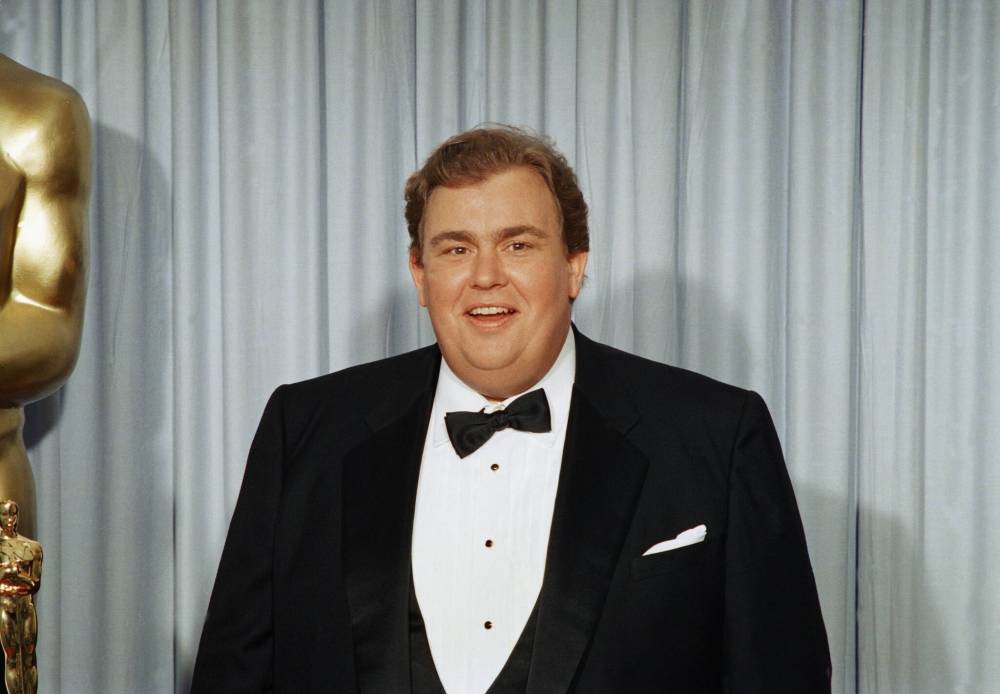
Canadian Press files
Fellow comics as well as co-stars and directors interviewed by Paul Myers remembered John Candy for his sense of humour, his kindness and his generosity.
Paul Myers’ new biography, John Candy: A Life in Comedy, is a warm, thoughtful, sensitive portrait of a complicated comedian by a writer who clearly has great admiration and affection for his subject matter.
While Myers’ research is exhaustive, what animates this biography are the exclusive interviews with a murderer’s row of comedic greats from Candy’s era (including Dan Aykroyd, Catherine O’Hara, James Belushi, Steve Martin and Martin Short) as well as Tom Hanks, Chris Columbus, Ron Howard and a host of other actors and directors who worked with Candy.
Not surprisingly, Candy is almost universally remembered for his sense of humour, yes, but also kindness and generosity — on stage as an actor and comedian and offstage as a person who wanted everyone in his orbit to live as large as he did. Candy knew how to have fun; there’s not much that wasn’t improved by his presence, whether it was a movie set or a football game featuring his beloved Toronto Argonauts, which he co-owned for a spell in the 1990s, including the year they took home the 1991 Grey Cup from the game held here in Winnipeg.
(Football could have been a possible career path for Candy, as it happens, but a knee injury in high school effectively kneecapped that dream.)
But Myers (the older brother of actor and comedian Mike Myers) also paints a portrait of a deeply sensitive man who was, quite often, privately suffering through the voices of those who knew — really knew — and loved him best.
Candy could be insecure. He was a chronic people pleaser who struggled with anxiety, panic attacks and, despite his singular talent, self doubt. He took professional failures personally.
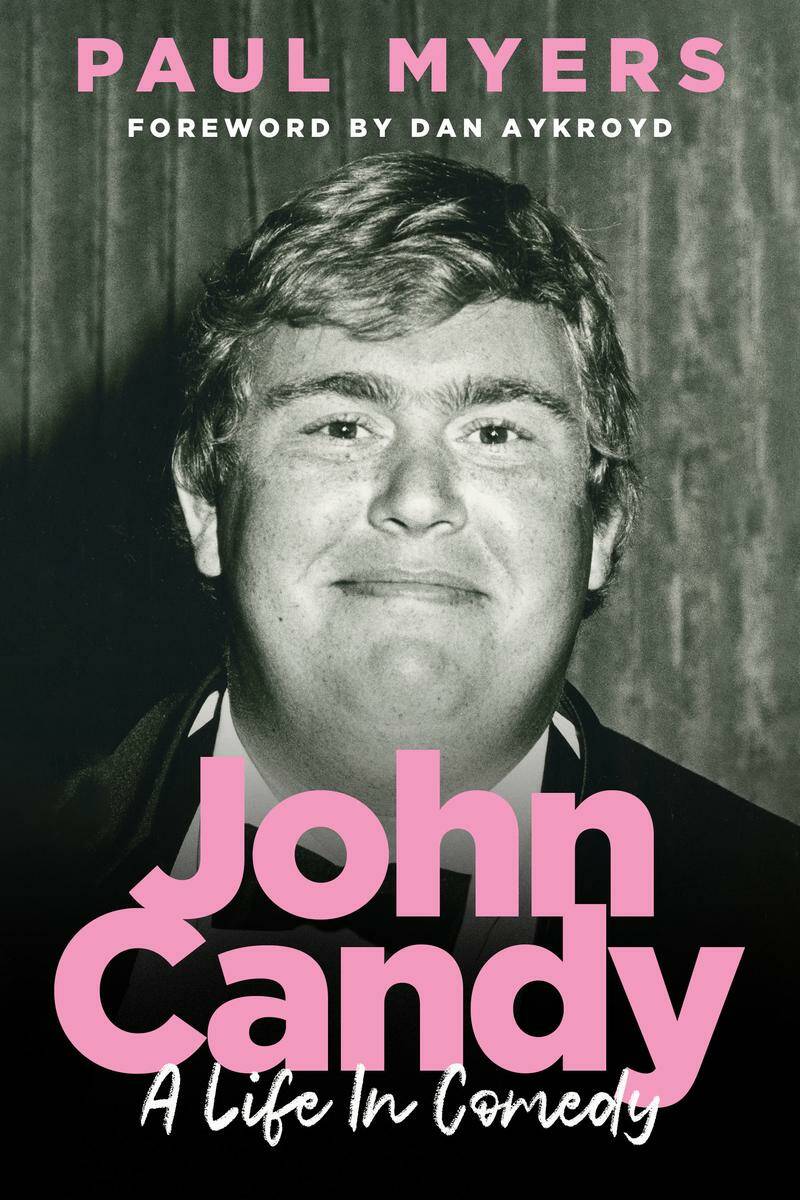
John Candy: A Life in Comedy
A long, dark shadow was also cast over him: his dad died at 35 from complications from heart disease when Candy was just five years old; for much of his life, Candy’s own heart felt like a ticking time bomb in his chest.
And then there’s the matter of his weight, a lifelong struggle handled respectfully in the book. Candy was extremely self-conscious about his size and famously did not abide fat jokes. He loved food and drink and cigarettes — indulgences he couldn’t escape, despite many, many valiant attempts to do so. The endless loop of diets and trainers is shared in exhausting and heartbreaking detail.
If only Candy could have seen himself the way others saw — and continue to see — him.
But Candy was, above all, a man who showed up. There are so many examples where, despite crippling panic attacks, he just got on with it, whether it was for a scene or for his family — his comedy family, yes, and also his wife Rosemary and children Jennifer and Christopher.
Though he was very much a family man, Candy’s life is mostly examined in Myers’ biography through the lens of his work, from his start at Toronto’s Second City and SCTV through his Hollywood movie career — a roller-coaster ride through all the hits and the misses, the highs and the lows. Ardent fans might not necessarily learn anything new when it comes to the facts of Candy’s life, but taken together, it makes for a propulsive read, each chapter ending on a cliffhanger, even though the reader already knows the devastating ending it’s building up to. Myers knows how to tell an anecdote and uses spare, journalistic prose that can be quite poignant without ever being purple.
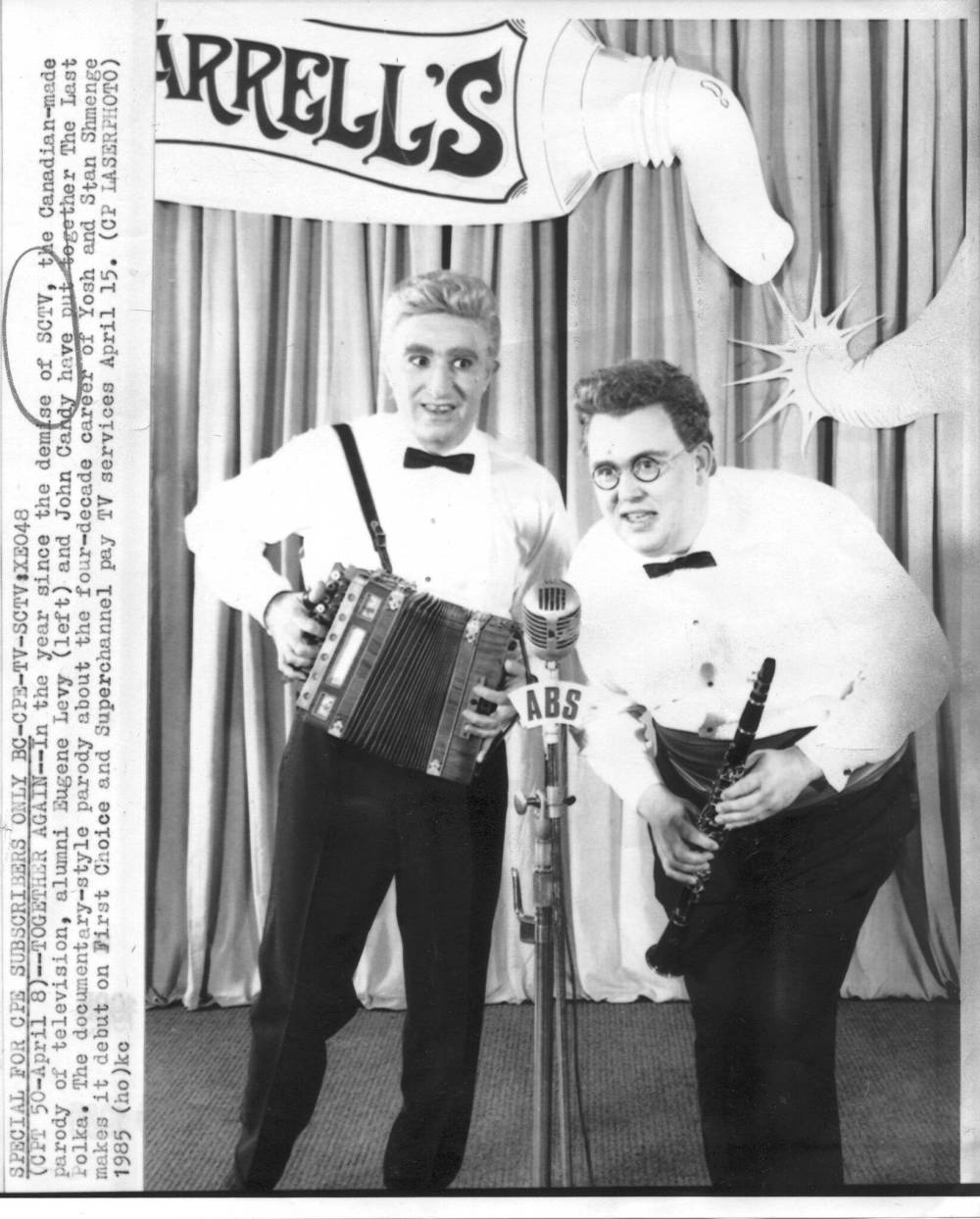
Canadian Press files
In this 1985 photo, SCTV co-stars Candy (right) and Eugene Levy and appear as Leutonian musical siblings Yosh and Stan Shmenge.
Occasionally, the biography can be repetitive, since most of the included quotes are variations on a theme. But that also goes to show how beloved he was.
It’s the final chapters dealing with Candy’s death and legacy that are the most affecting. O’Hara shares a dream she had about him, just a couple of years ago, in which she and Candy are doing bits and she mentions something about him being dead. “Aww, you had to say it out loud,” he responds.

Still so himself, even in someone else’s subconscious.
But it’s Aykroyd’s extraordinary eulogy, delivered at Candy’s U.S. funeral (he had a Canadian one too) and printed here in full, that might be the book’s most moving pièce de résistance.
“This is no meagre life we reflect on today. This is as full a life as any human can live. Joy, emotional abundance of spirit, infectious rage, a tinge of Lugosi-like madness, with his bottom reverse vampire teeth and all,” Aykroyd wrote in part. “A titan of a gentle, golden man.”
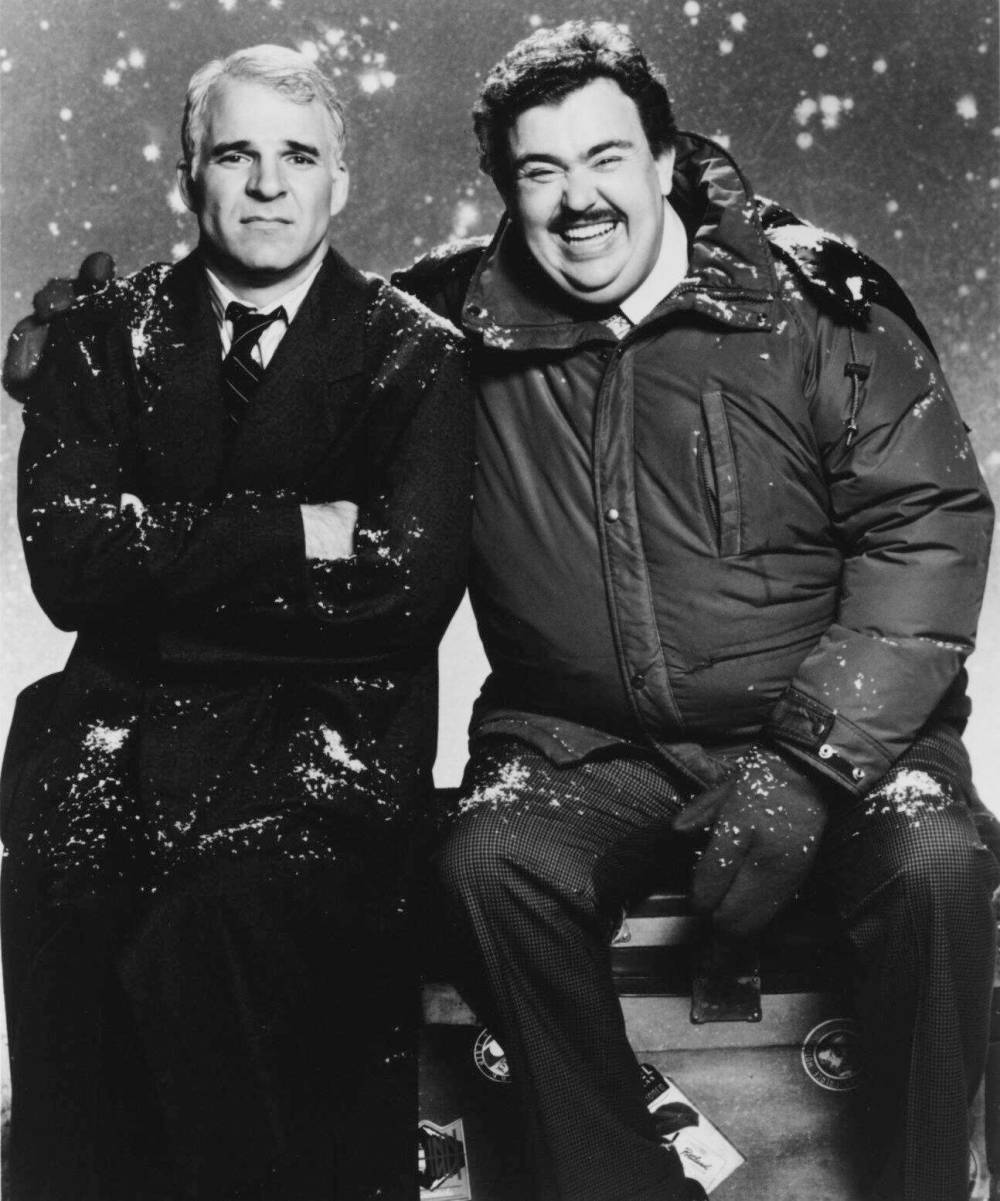
Handout
Steve Martin (left) and Candy in a promotional still for 1987’s Planes, Trains and Automobiles.
If you loved John Candy — and, really, who didn’t? — this one’s for you.
Jen Zoratti is a Free Press columnist.
Jen Zoratti is a Winnipeg Free Press columnist and author of the newsletter, NEXT, a weekly look towards a post-pandemic future.
Our newsroom depends on a growing audience of readers to power our journalism. If you are not a paid reader, please consider becoming a subscriber.
Our newsroom depends on its audience of readers to power our journalism. Thank you for your support.
Jen Zoratti is a Winnipeg Free Press columnist and author of the newsletter, NEXT, a weekly look towards a post-pandemic future.
Our newsroom depends on a growing audience of readers to power our journalism. If you are not a paid reader, please consider becoming a subscriber.
Our newsroom depends on its audience of readers to power our journalism. Thank you for your support.
Advertisement Advertise With Us
Advertisement Advertise With Us