TikTok invitations to abortion-seekers well-intentioned but misguided, say advocates
Advertisement
Read this article for free:
or
Already have an account? Log in here »
To continue reading, please subscribe:

Digital Subscription
One year of digital access for only $205*
- Enjoy unlimited reading on winnipegfreepress.com
- Read the E-Edition, our digital replica newspaper
- Access News Break, our award-winning app
- Play interactive puzzles
*First annual payment billed as $205.00 + GST for one year. This annual subscription will automatically renew at $233.00 + GST every 52 weeks (10% off the regular annual price of $259.35). Offer available to new and qualified returning subscribers only. Cancel any time.
To continue reading, please subscribe:
Add Free Press access to your Brandon Sun subscription for only an additional
$1 for the first 4 weeks*
- Enjoy unlimited reading on winnipegfreepress.com
- Read the E-Edition, our digital replica newspaper
- Access News Break, our award-winning app
- Play interactive puzzles
*Your next Brandon Sun subscription payment will increase by $1.00 and you will be charged $17.95 plus GST for four weeks. After four weeks, your payment will increase to $24.95 plus GST every four weeks.
Read unlimited articles for free today:
or
Already have an account? Log in here »
Hey there, time traveller!
This article was published 29/06/2022 (1562 days ago), so information in it may no longer be current.
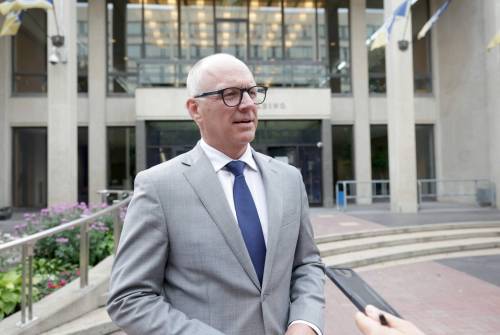
Rev. Gerlyn Henry was dismayed to see some anti-abortion activists invoking the word of God to justify the U.S. Supreme Court’s decision to overturn Roe v. Wade.
The Anglican priest in Toronto turned to social media to put forward a different religious view. In her reading of the Bible, God supports safe access to health care, including abortions, said Henry, noting that she doesn’t speak on behalf of the Anglican Church of Canada or the Anglican Diocese of Toronto.
“My rectory is two hours from the U.S. border,” Henry wrote in a TikTok, which has garnered about 1.5 million views. “I have a spare room, a dog, and will tell you that you are and will always be God’s beloved.”
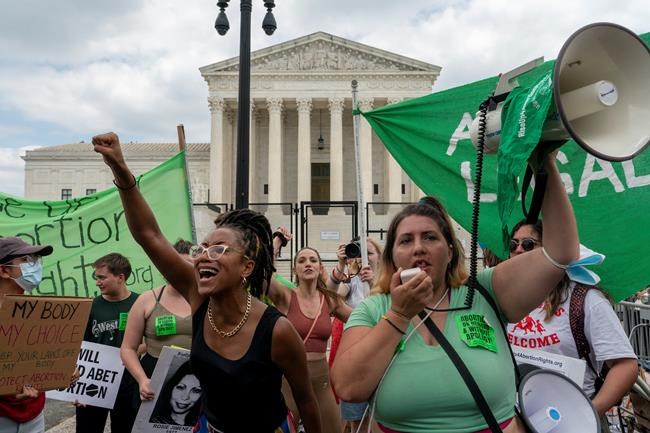
Henry is among a number of Canadians posting online invites to their homes, welcoming abortion-seekers from U.S. states that are outlawing the procedure.
Many posts are couched in an algorithm-friendly code inviting Americans to partake in an innocuous activity, such as “camping” or “shopping.” The anthem of this TikTok trend is “Paris” by the Chainsmokers, with an emphasis on the lyrics, “If we go down, we go down together.”
Despite the best intentions of such offers however, abortion advocates say these personal gestures of hospitality raise safety and privacy concerns. They encourage newly galvanized activists to redirect their enthusiasm to support established networks instead.
Henry said she received similar feedback to her TikTok, and is working to elevate local organizations. While she’s yet to have a visitor show up on her doorstep, Henry said a number of people have told her that the post helped heal their “religious trauma.”
“A ton of people have felt loved and cared for and supported by this faith that has hurt them,” Henry said. “I think that’s a powerful statement of solidarity, one that far outweighs the practical hurdles.”
While the sentiment may be in the right place, there are a number of practical considerations that could undermine the impact of this social media movement, said Jill Doctoroff, executive director of National Abortion Federation Canada.
“I definitely admire individuals who feel outraged and want to take action,” she said. “I’m not sure that this necessarily is the best or most appropriate way to provide support.”
Travelling to Canada isn’t a viable option for the marginalized Americans who will be most impacted by abortion bans, said Doctoroff, citing hurdles such as getting a passport or taking time off work.
Those who can afford to come north of the border for an abortion would likely prefer to be put up in a paid hotel room than stay in a stranger’s home, Doctoroff said.
National Abortion Federation Canada has a fund to help cover these accommodations, she said, as well as other travel costs and uninsured medical expenses.
“It’s going to continue to protect their personal privacy and their autonomy,” she said. “They know they’re going to be staying somewhere safe.”
The anonymity of the internet also raises serious safety concerns about bad actors hopping on the social media bandwagon, said Martha Paynter, a Halifax nurse working in abortion and reproductive health care.
“There’s way too much risk that a person would unknowingly end up in the hands and home of an anti-abortion extremist.”
Paynter suggested that supporters get involved in local organizations that vet and train volunteers to help with tasks such as driving someone to an abortion clinic.
There are also legal implications to consider, said Daphne Gilbert, a law professor at the University of Ottawa, as questions remain over whether U.S. states that outlaw abortions will try to prohibit residents from travelling for the procedure.
“My only worry is not so much for the people here in Canada, but for the women themselves making those travel decisions,” Gilbert said. “I wouldn’t be sure that there won’t be some effort to penalize them.”
While abortion is decriminalized in Canada, we still need to fight to protect it, said Insiya Mankani, public affairs officer at Action Canada for Sexual Health and Rights.
She encouraged Canadians to channel their outrage over Roe v. Wade being overturned into political advocacy to protect and expand access to abortion at home.
“This isn’t just about abortion. It’s taking away the rights of someone to make decisions about their own bodies,” said Mankani.
“A lot of that feeling of devastation does remain. But there is so much work to be done, so now is the time to start getting to work.”
For Amanda McDougall, mayor of Cape Breton Regional Municipality, N.S., connecting with people on social media is part of doing that work.

There are no abortion clinics on Cape Breton, and the closest one in Halifax is up to a five-hour drive away, McDougall said.
But as a public official and a community member, McDougall said she felt compelled to post a TikTok telling tourists and locals alike that they “will always be safe and find a home here.”
“It’s reminding people that there are good, kind, loving people out there, despite feeling this enormous despair and fear,” she said. “Even though we might not be able to do much, you are loved and cared for. And that can go a long way.”
— with files from Marie-Danielle Smith in Ottawa
This report by The Canadian Press was first published June 29, 2022.
Related Articles
Amazon, Rite Aid cap purchase of emergency contraceptives
Advertisement Advertise With Us
Advertisement Advertise With Us