Neither rain, nor snow, nor heat…
Canadian wine growers rise to the challenge presented by extreme weather conditions

Advertisement
Read this article for free:
or
Already have an account? Log in here »
To continue reading, please subscribe:
Digital Subscription
One year of digital access for only $1.44 a week*
- Enjoy unlimited reading on winnipegfreepress.com
- Read the E-Edition, our digital replica newspaper
- Access News Break, our award-winning app
- Play interactive puzzles
*Billed as $5.77 plus GST every four weeks. After 52 weeks, price increases to the regular rate of $19.95 plus GST every four weeks. Offer available to new and qualified returning subscribers only. Cancel any time.
To continue reading, please subscribe:
Add Free Press access to your Brandon Sun subscription for only an additional
$1 for the first 4 weeks*
- Enjoy unlimited reading on winnipegfreepress.com
- Read the E-Edition, our digital replica newspaper
- Access News Break, our award-winning app
- Play interactive puzzles
*Your next Brandon Sun subscription payment will increase by $1.00 and you will be charged $17.95 plus GST for four weeks. After four weeks, your payment will increase to $24.95 plus GST every four weeks.
Read unlimited articles for free today:
or
Already have an account? Log in here »
Hey there, time traveller!
This article was published 30/04/2022 (1643 days ago), so information in it may no longer be current.
This past winter (and, so far, this spring) on the Prairies has proven to be quite the roller-coaster ride weather-wise. From long periods of deep-freeze temperatures to excesses of snow, a brief melt and then a seemingly endless number of Colorado lows bringing precipitation that has flooded basements (including mine) and helped damage roadways, it’s been a tough number of months.
Of course, we’re not the only ones struggling with increasingly extreme weather — thanks to climate change, winemaking regions have come to find the only predictable aspect of a growing season is its very unpredictability.
Such was the case in 2021 for Canada’s two main wine-producing regions — while wineries in both regions are expected to produce some very good wines, Ontario’s Niagara Peninsula and British Columbia’s Okanagan Valley both suffered extreme weather events at different points in the growing season, enduring what most grape-growers, viticulturalists and winemakers are diplomatically calling a “challenging” 2021.
In Ontario, producers went into spring with high hopes after a relatively dry winter. Things kicked off fairly well, with early days ending up being warm and dry. When summer kicked in, things were still looking good — the lack of rain persisted as temperatures rose, and all seemed to be on track for an uneventful, relatively early harvest.
Then in late August the rains came, and for the next number of weeks they would rarely let up. Growers were able to get earlier-ripening varieties such as Chardonnay, Sauvignon Blanc, Pinot Noir and Riesling out of the vineyard and into the winery with little negative impact, but grapes that require more time on the vine to achieve maximum ripeness — think the big red wine grapes such as Cabernet Sauvignon, Syrah and the like — suffered as vines got less sunshine while taking on that extra moisture, which lessens the intensity and depth of flavour of the fruit.
All that precipitation, combined with a stretch of days with persistent fog, also increased mildew in the vineyards, which can contribute to rot in bunches of grapes.
Overall, yields were lower, and while early-ripening whites are reported to show great focus and acidity, many of the red wine grapes typically used for big, dry reds were either used in rosés or will end up in smaller-batch reds that are lighter than normal.
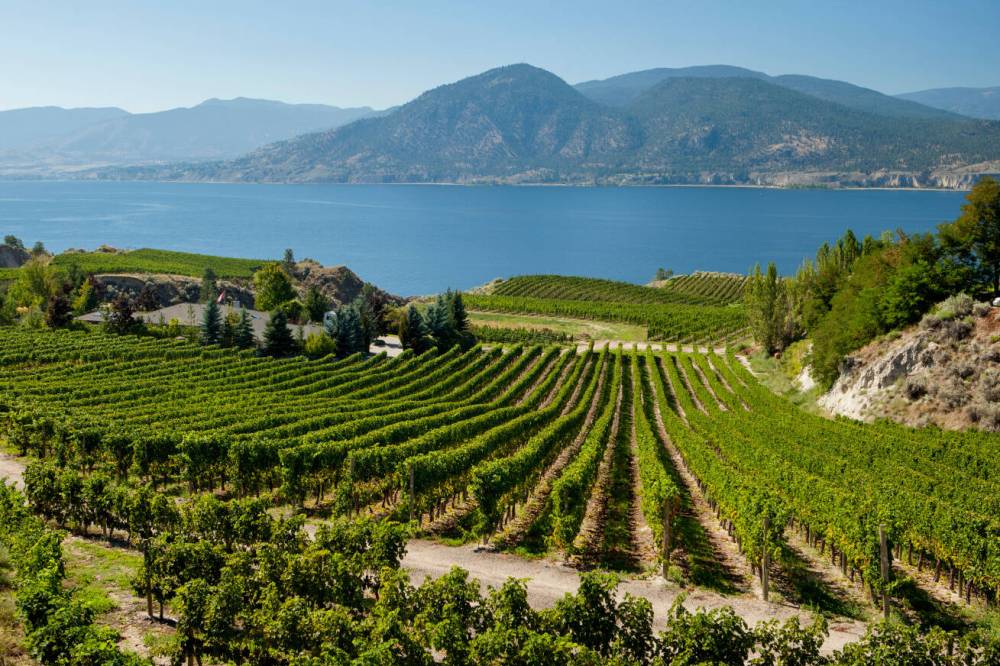
Some 4,000 kilometres west in the Okanagan Valley, producers faced their own challenging vintage (and accompanying reduced yields), albeit for very different reasons. The region saw some smoke hanging in the air from forest fires both nearby and in California in June, which obscured the sun for some days. Thankfully it was early enough in the grape-growing cycle that it shouldn’t impart a smoky taste to the wines as it has in previous recent vintages.
After the smoke cleared, the region’s mercury skyrocketed, as the Okanagan Valley ended up in a sun-drenched heat dome, along with much of western North America, from late June and through July, with many long-standing temperature records broken. Such prolonged periods of scorching heat affects the rate at which grapes mature in the vineyard, and can affect residual sugar and ripeness levels, which then impact when the grapes are ready to be picked.
Unlike Ontario, the Okanagan Valley didn’t see any significant precipitation, either at the end of the growing season or otherwise. Dry temperatures mean vines strain for water, which in turn increases the concentration of flavours — which is good. Too little water, however, and yields can go down, as was the case in the Okanagan.
Some grape varieties were also afflicted with leafhoppers, tiny insects that feed on the sap of plants, including vines. In a visit to the Okanagan Valley in October, the evidence of their work was obvious — leaves on certain plots of vines were pale gold instead of deep green. Interestingly, leafhoppers prefer certain grape varieties over others; in the vineyards, one plot would be visibly affected, while a plot directly adjacent planted with a different grape variety would be seemingly untouched.
All this means that, as is the case in Niagara, there will be less wine coming from the Okanagan Valley’s 2021 vintage, with some estimates putting production down by up to 50 per cent. For both regions, what does make it into bottles and onto store shelves from the 2021 vintage should be of very good to exceptional quality.
uncorked@mts.net
Twitter: @bensigurdson
Drinks of the week
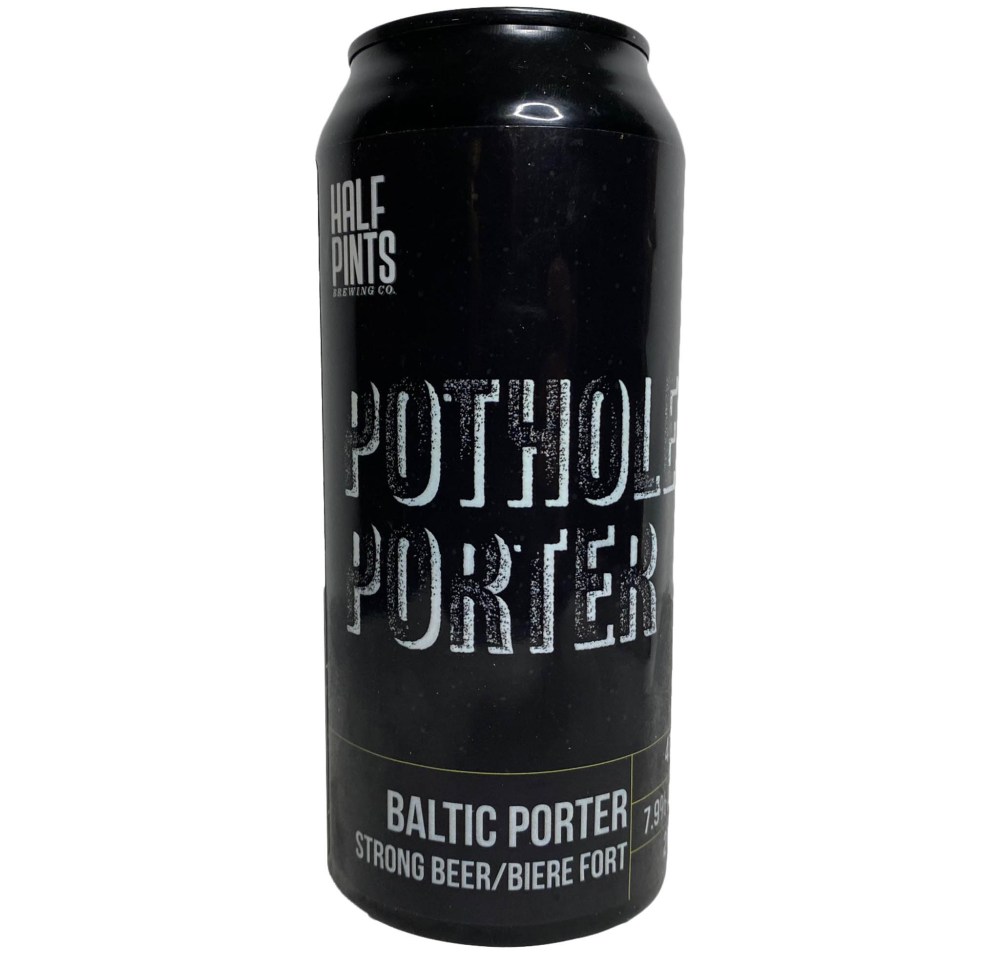
Half Pints Pothole Porter (Winnipeg — $4.79/473ml can, brewery, beer vendors)
With the tire-flattening, tooth-rattling state of the city’s streets, now’s as good a time as any to give this high-octane Baltic porter a spin. It’s deep brown-black in colour with a beige head, and aromatically brings dark roasted malt, milk chocolate, toffee and subtle raisiny notes. It’s full-bodied, just a touch off-dry and packs plenty of punch on the palate, with flavours of dark malt and chocolate, mocha, a hint of white pepper and a long, warm (but not overwhelming) finish, thanks to the 7.9 per cent alcohol — which should help numb the pain of our roads. A longtime seasonal favourite from Half Pints, and for good reason. 4.5/5
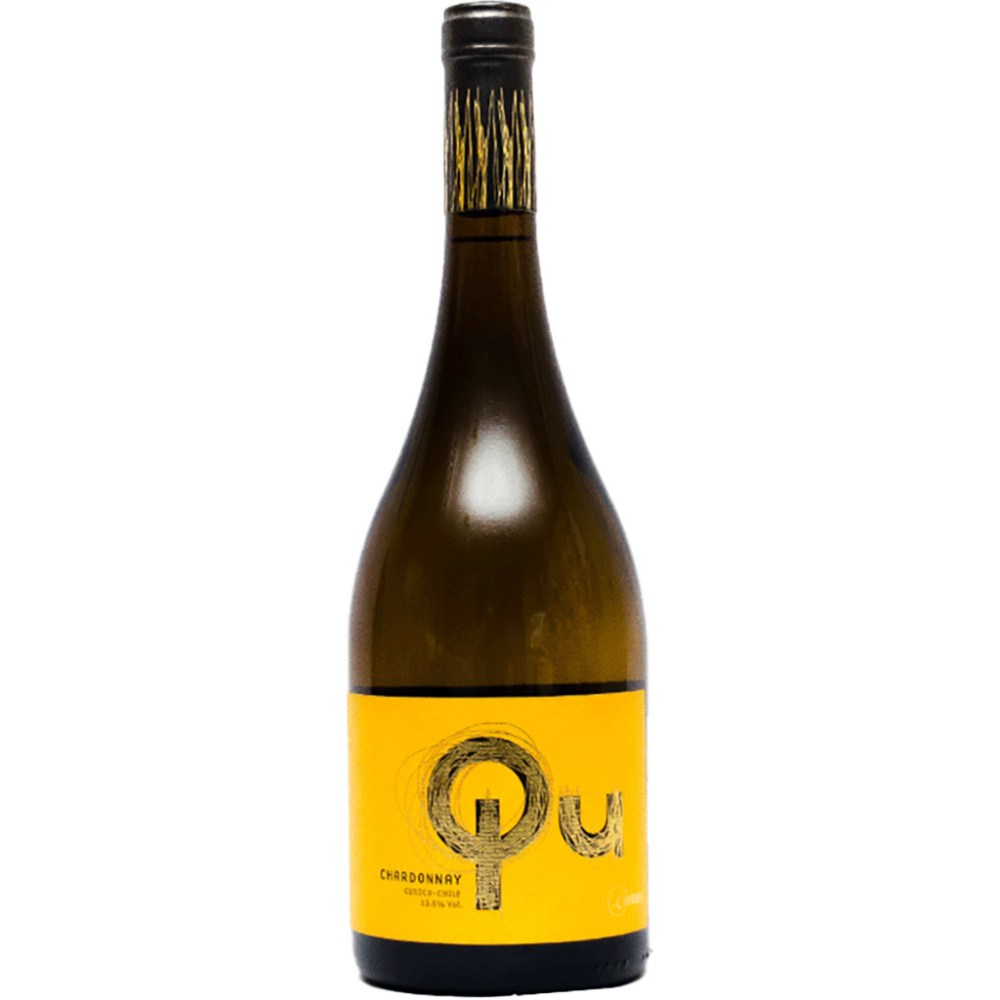
Viña I 2020 Qu Chardonnay (Curicó Valley, Chile — $17.99, Liquor Marts and beyond)
Medium gold in colour, this Chilean Chardonnay made from hand-picked grapes offers deep tropical fruit, honey, red apple and peach notes on the nose, with just the slightest hint of vanilla. It’s medium-plus-bodied and dry, with a lovely viscosity coming with the pineapple, mango, red apple, peach and sweet lemon notes, with a touch of oak (half the juice is fermented in wood) bringing vanilla and spice. It’s elegant and rich yet lively — a great value. 4/5
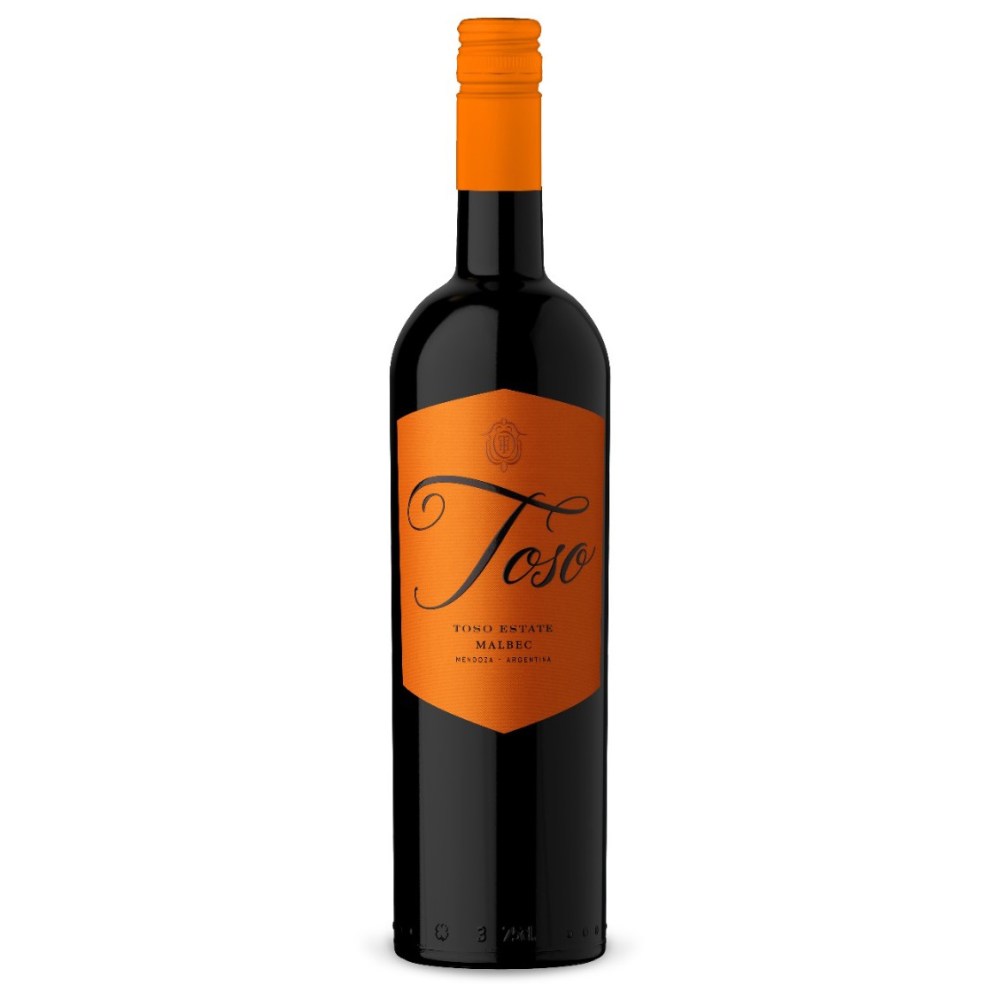
Toso 2020 Estate Malbec (Mendoza, Argentina — around $16, private wine stores)
This Argentine Malbec has been a hot seller at private wine stores for many years, and with good reason. Aromatically the Toso delivers attractive blackberry, clove, plum, blueberry and light vanilla notes, while on the dry, medium-plus-bodied palate the almost-jammy dark berry and plum flavours lead the charge, with some red cherry and white pepper notes that show well and modest tannins that provide grip. It continues to be a well-made Malbec for a very good price. 3.5/5
Our newsroom depends on a growing audience of readers to power our journalism. If you are not a paid reader, please consider becoming a subscriber.
Our newsroom depends on its audience of readers to power our journalism. Thank you for your support.
Our newsroom depends on a growing audience of readers to power our journalism. If you are not a paid reader, please consider becoming a subscriber.
Our newsroom depends on its audience of readers to power our journalism. Thank you for your support.
Advertisement Advertise With Us
Advertisement Advertise With Us