Five days, 400 wines, one certainty
A return to the WineAlign competition was a workout for nose, teeth and tongue, but confirms Canadian wine is doing fine

Advertisement
Read this article for free:
or
Already have an account? Log in here »
To continue reading, please subscribe:

Digital Subscription
One year of digital access for only $205*
- Enjoy unlimited reading on winnipegfreepress.com
- Read the E-Edition, our digital replica newspaper
- Access News Break, our award-winning app
- Play interactive puzzles
*First annual payment billed as $205.00 + GST for one year. This annual subscription will automatically renew at $233.00 + GST every 52 weeks (10% off the regular annual price of $259.35). Offer available to new and qualified returning subscribers only. Cancel any time.
To continue reading, please subscribe:
Add Free Press access to your Brandon Sun subscription for only an additional
$1 for the first 4 weeks*
- Enjoy unlimited reading on winnipegfreepress.com
- Read the E-Edition, our digital replica newspaper
- Access News Break, our award-winning app
- Play interactive puzzles
*Your next Brandon Sun subscription payment will increase by $1.00 and you will be charged $17.95 plus GST for four weeks. After four weeks, your payment will increase to $24.95 plus GST every four weeks.
Read unlimited articles for free today:
or
Already have an account? Log in here »
Hey there, time traveller!
This article was published 09/10/2021 (1767 days ago), so information in it may no longer be current.
Between the Winnipeg Wine Festival, trips to wine regions, judging at competitions and my own “homework,” in an average year I’d taste somewhere between 1,500 to 2,000 wines.
Needless to say, that number plummeted when the COVID-19 pandemic hit, and all wine-related events and travel came to a grinding halt.
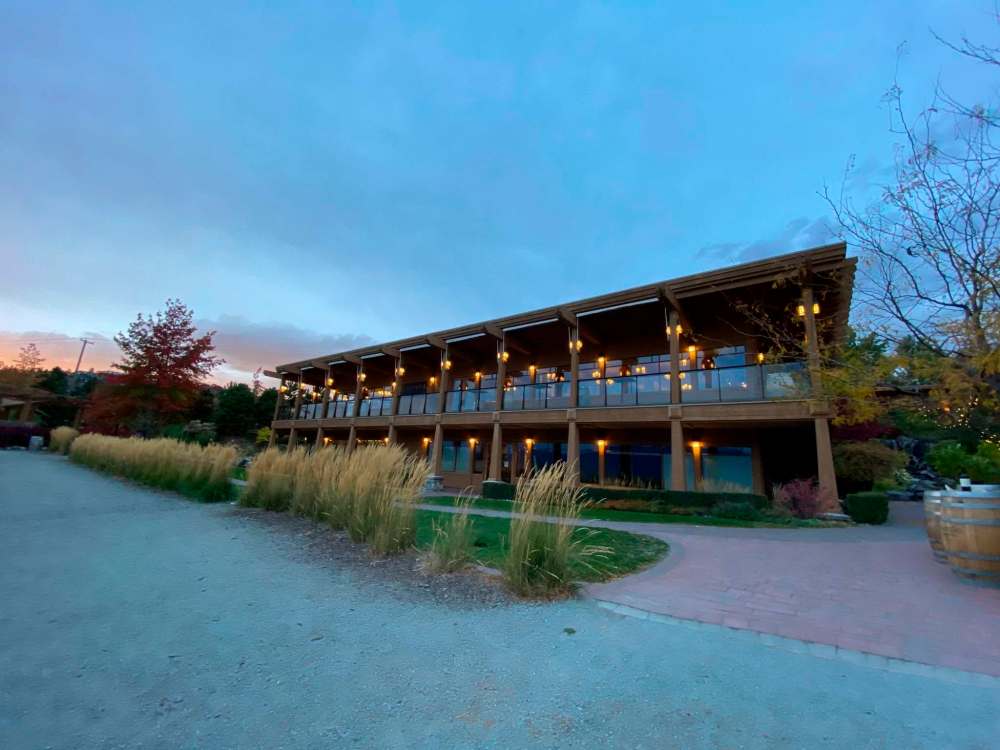
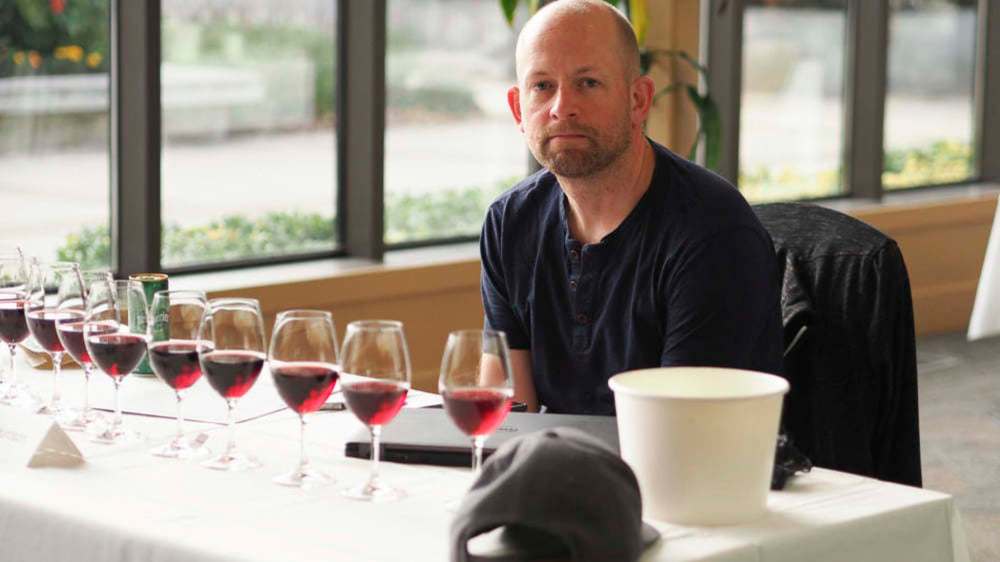
So it was a bit of a shock to the system — and a real workout for my nose, teeth, tongue and gums — to head to Penticton, B.C., at the beginning of October to judge at the 2021 WineAlign National Wine Awards of Canada.
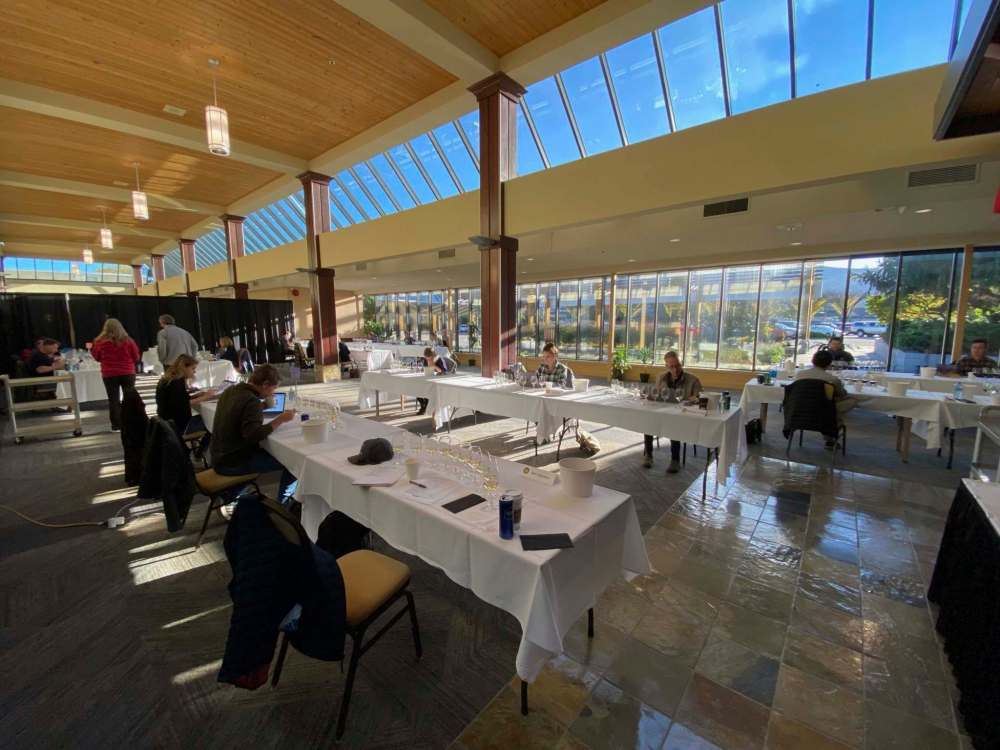
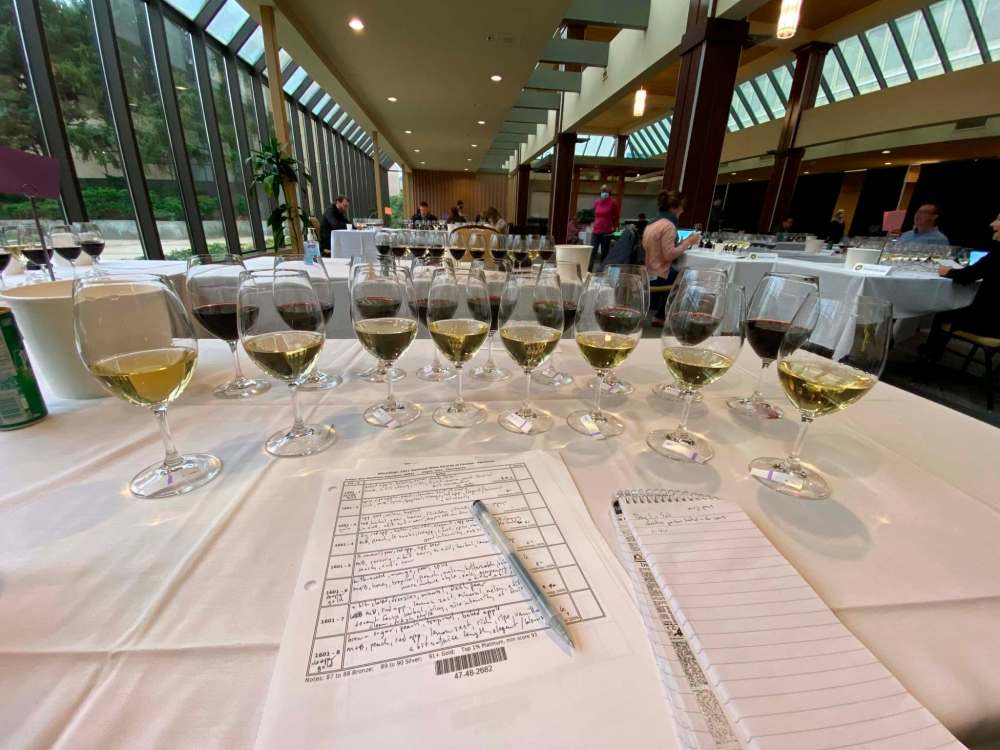
This year’s competition, the 20th, boasted the highest number of entries yet from all parts of the country — a whopping 2,089 reds, whites, rosés, sparkling wines, fortified wines, meads, ciders and fruit wines. Over the course of five days I tasted around 400 wines at the competition, as well as at evening visits with producers at area wineries.
Organizers were impressively diligent with ensuring the safety of judges, staff and volunteers at all times. Masks, gloves and face shields were worn by those working both in the front and back rooms. Judges, meanwhile, sat at socially distanced tables, had our temperatures taken every morning and had proof of vaccination checked every time we filed on to a bus (masked) and visited producers throughout the Okanagan and Similkameen Valleys in the evenings. All visits by our pod were held outdoors or in areas where large doors or windows could be opened for maximum ventilation.
Most of us judges hadn’t travelled at all over the last two years, so while we were glad to reconvene and swap stories (and share some post-judging drinks), we were all a bit shell-shocked while re-emerging into the world of tasting and judging wines. It was a very careful step towards some sense of normalcy that initially felt a bit scary, but eventually was quite welcome. (The air travel… well, that’s another story.)
As for the wines? The results of the tasting (which is blind — judges don’t know the producer, region of origin or price) won’t be released for around another month, and I’ve not yet had time to browse through my chicken-scratch notes for clues. But a general picture of the state of wine in Canada emerged throughout the competition — one that shows a wine-producing country making great strides forward on a number of fronts.
Canadian sparkling wines continue to show brilliantly, especially those made using Chardonnay and/or Pinot Noir grapes (like they do in Champagne) and made in the traditional method (secondary fermentation, causing bubbles, happening in the bottle, rather than pumping carbon dioxide into a tank of juice). Canadian producers are making rosé, meanwhile, with all manner of grape varieties, and there are some gems in the lighter, more elegant styles as well as bolder, darker, fruit-forward pink wines.
In terms of still white wines, Chardonnay and Riesling rule the roost, both from B.C. and Ontario. Chardonnays not overly weighed down by excessive oak-barrel aging were favourites, and there were great examples of both dry, lean and racy Rieslings as well as off-dry, richer examples. A handful of white blends made using aromatic grapes such as Gewürztraminer, Muscat, Viognier and more also impressed.

On the red wine side of things, a great number of Pinot Noirs were once again entered in the competition, with mixed results (although the good ones were truly excellent). Reds made from the Syrah grape proved producers are managing to harness the rich, red berry notes of the grape as well as the more savoury, earthier components.
Cabernet Franc, like Syrah, is a grape that does well in both cooler and warmer climates, and the examples we tasted were stellar. Producers might consider turning more attention to making more wines with this grape instead of big, oak-driven Bordeaux-style red blends or reds made from Cabernet Sauvignon or Merlot (although there were very good examples of both tasted).
The fortified wines, fruit wines, ciders and meads ran the gamut style-wise, as did the grapes (or other fruit) with which they were made. The collection was so diverse that it’s tough to comment without first reviewing my notes.
As for icewine? I was never on a panel of judges that tasted any of the stuff, so I can’t report on the state of the super-sweet, concentrated dessert wine based on the competition.
One thing we judges found in many of the flights were wines impacted by smoke taint, likely the result of wildfires in the 2018 growing season. In some wines the smoky notes added interesting complexity, while in others it overpowered the fruit flavours. Whether that smoky note will dissipate with age remains to be seen.
I’ll have more on the National Wine Awards of Canada results once they’re released later this fall, and will check in with the head judges and organizers to see how they think things managed to shake out. But for now, the overall feeling is that the state of Canadian wine is very good, and getting better every year.
uncorked@mts.net
Twitter: @bensigurdson
Wines of the week
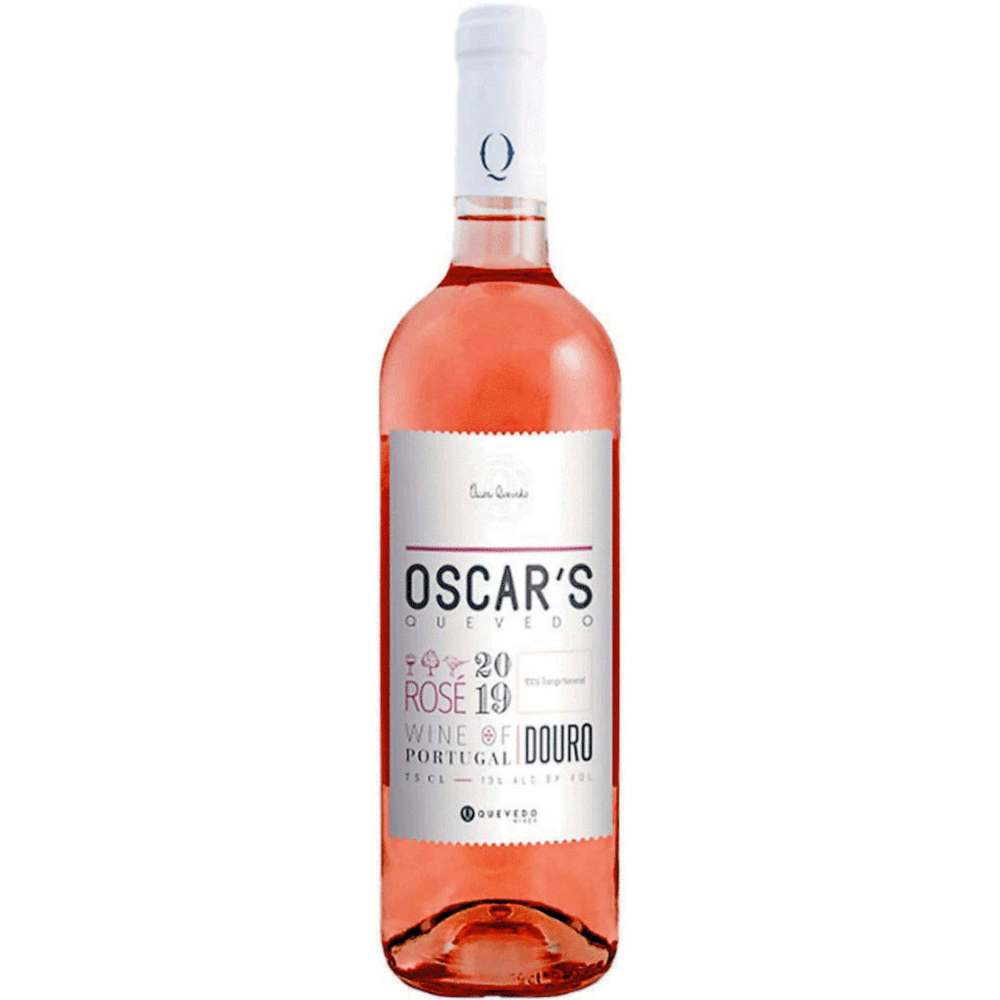
Quevedo 2019 Rosé (Douro, Portugal —$17.99, Liquor Marts and beyond)
This fun, easygoing rosé, a blend of indigenous Portuguese grapes, is pale pink in colour, and offers raspberry, watermelon candy, strawberry and hints of rhubarb. It’s slightly off-dry and fresh, offering strawberry and raspberry candy flavours, modest acidity, no discernable oak and a long, balanced finish. 3/5
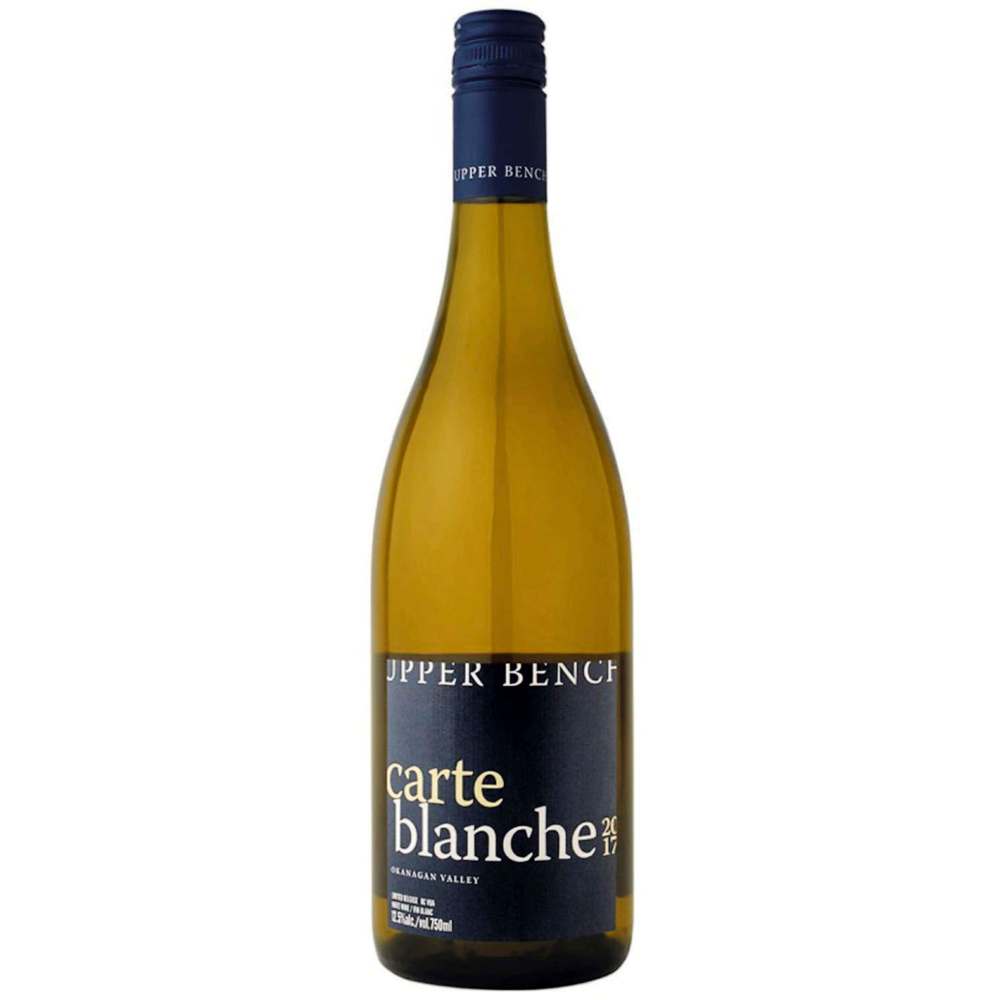

Upper Bench 2019 Carte Blanche White (Okanagan Valley, B.C. — around $37, private wine stores)
A blend of Chardonnay, Riesling, Pinot Blanc, Pinot Gris and Gewürztraminer, this B.C. white blend brings peach, pear, red apple, flint and secondary herbal notes on the nose. It’s dry, crisp and light-bodied, with apple and spice working well together with pear, peach, steely mineral notes, a hint of honey and a long, clean finish. Delicious. Purchased at De Luca Fine Wines. 4.5/5
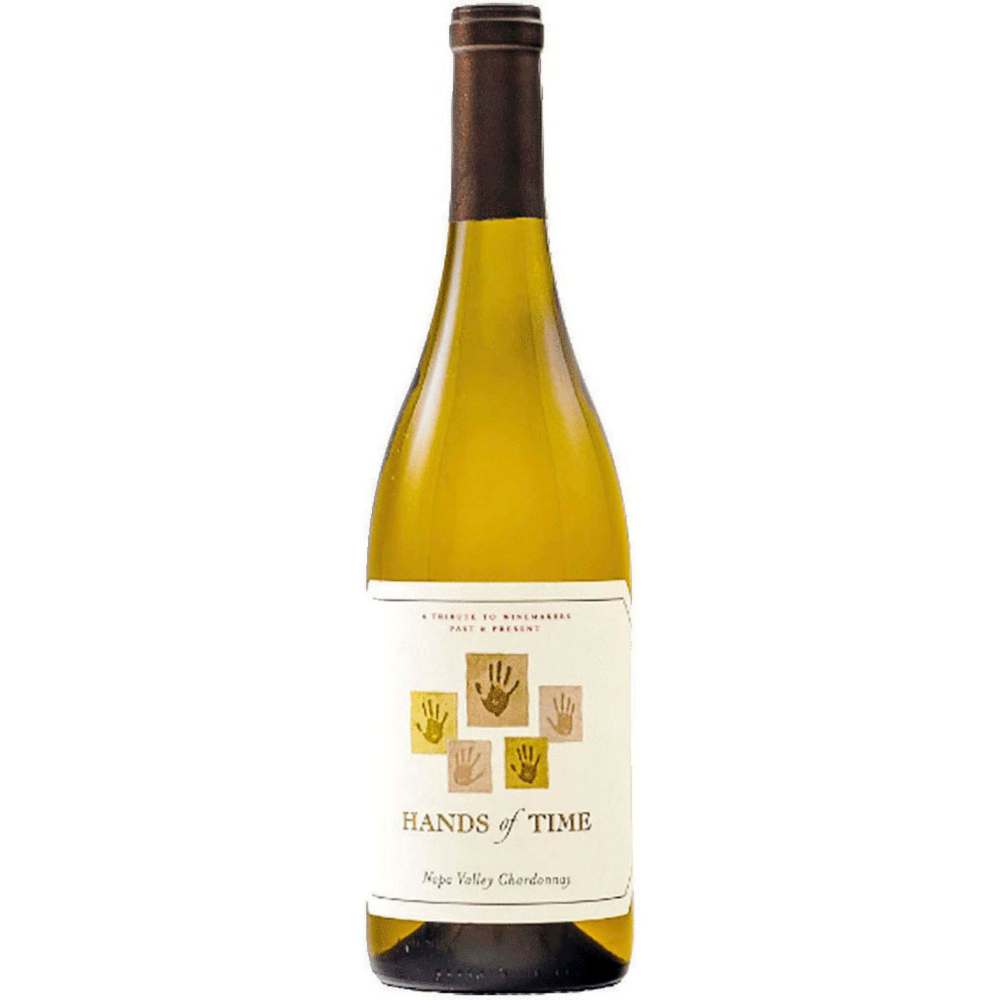
Stag’s Leap Wine Cellars 2018 Hands of Time Chardonnay (Napa Valley, Calif. $39.99, Liquor Marts and beyond)
Pale gold in colour, this Napa Valley Chardonnay offers ripe red apple, vanilla, peach, pineapple and a dab of honey on the nose. It’s dry and medium-plus-bodied and viscous, delivering ripe apple and peach flavours, caramel and vanilla thanks to some time in oak barrels, a hint of lemon candy lingering underneath and a honeyed component that’s balanced by a touch of chalkiness. A stylish example of Napa Chard. 4/5
Our newsroom depends on a growing audience of readers to power our journalism. If you are not a paid reader, please consider becoming a subscriber.
Our newsroom depends on its audience of readers to power our journalism. Thank you for your support.
Our newsroom depends on a growing audience of readers to power our journalism. If you are not a paid reader, please consider becoming a subscriber.
Our newsroom depends on its audience of readers to power our journalism. Thank you for your support.
Advertisement Advertise With Us
Advertisement Advertise With Us