Chiefs concerned about mental health effects of COVID-19
Advertisement
Read this article for free:
or
Already have an account? Log in here »
To continue reading, please subscribe:
Digital Subscription
One year of digital access for only $1.44 a week*
- Enjoy unlimited reading on winnipegfreepress.com
- Read the E-Edition, our digital replica newspaper
- Access News Break, our award-winning app
- Play interactive puzzles
*Billed as $5.77 plus GST every four weeks. After 52 weeks, price increases to the regular rate of $19.95 plus GST every four weeks. Offer available to new and qualified returning subscribers only. Cancel any time.
To continue reading, please subscribe:
Add Free Press access to your Brandon Sun subscription for only an additional
$1 for the first 4 weeks*
- Enjoy unlimited reading on winnipegfreepress.com
- Read the E-Edition, our digital replica newspaper
- Access News Break, our award-winning app
- Play interactive puzzles
*Your next Brandon Sun subscription payment will increase by $1.00 and you will be charged $17.95 plus GST for four weeks. After four weeks, your payment will increase to $24.95 plus GST every four weeks.
Read unlimited articles for free today:
or
Already have an account? Log in here »
Hey there, time traveller!
This article was published 03/05/2020 (2372 days ago), so information in it may no longer be current.
OTTAWA – A few months before the novel coronavirus arrived in Canada, the Makwa Sahgaiehcan First Nation at Loon Lake, Sask. was already raising the alarm over suicides in the community, about 360 kilometres northwest of Saskatoon.
The First Nation declared a state of crisis in mid-November 2019 after three deaths by suicide occurred over three weeks, including a 10-year-old girl. In the weeks that followed, band leaders say eight people, mainly youths, also tried to take their lives.
Chief Ronald Mitsuing says a deep sense of grief remains within the community of just over 1,000 people, especially after a 31-year-old man in the community died by suicide two weeks ago.
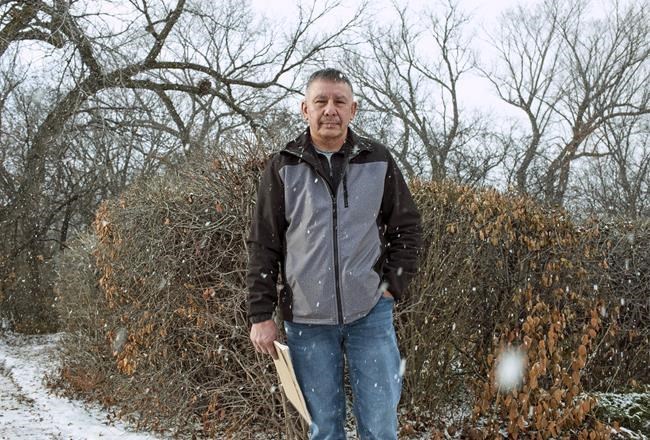
Now, Mitsuing says he fears the stress and worry about a possible outbreak of COVID-19 could trigger further mental health suffering among some of his residents.
“Losing the youth really took a big toll out of our community. And I know it’s ongoing — people thinking about it all the time, can’t get past it,” he said.
“We’re not in that comfortable stage yet where we know it’s going to be all right.”
He is not alone. As the number of COVID-19 cases begins to climb in Indigenous communities across Canada, First Nations and Inuit chiefs say they are deeply concerned about how the pandemic is affecting the mental health of their residents.
The Makwa Sahgaiehcan First Nation did receive help from the province and federal government to deal with the immediate aftermath of the suicide crisis, but Mitsuing says they need more permanent resources. He wants funding to train locals as trauma counsellors, rather than relying on outside help or having to send youth away for treatment.
This is especially needed during the pandemic, as the First Nation remains locked down to outsiders, Mitsuing said.
Chief Eugene Hart of the Sheshatshiu Innu First Nation in central Labrador shares the same concerns for his community, which also declared a crisis in the months before the pandemic following 10 suicide attempts in less than a week in October 2019.
The community of roughly 1,300 people had also been struggling with more than a dozen other deaths from natural causes before that — a toll that was hardest felt by young people with few supports in place to help them address their grief, Hart said.
“I’m worried about everything in general now, because we don’t know what people are thinking, where we have the lockdown in the community as well. We don’t know what kind of stress people are going through daily because we can’t interact with them.”
He echoed Mitsuing’s concerns about not having adequate supports that are permanent. He would like to see full-time crisis counsellors and staff and mental health crisis lines staffed by people in the community. However, he says his First Nation has not received the support from Ottawa or from the province necessary to make this happen.
“Everything is totally different now, and it’s going to be like this awhile and a lot of people are still scared,” he said.
Indigenous Services Minister Marc Miller says he knows COVID-19 is affecting the mental health of Indigenous communities, particularly among those who are at a high risk from the illness — or have families who are.
He says the federal government is increasing the number of crisis intervention counsellors on shift at the Hope for Wellness helpline, which provides telephone and online support for First Nations, Inuit and Metis in English, French, Cree, Ojibway and Inuktitut.
More than 100 calls and chats every week are linked to COVID-19, according to assistant deputy minister Valerie Gideon, which represents an increase to previous volumes.
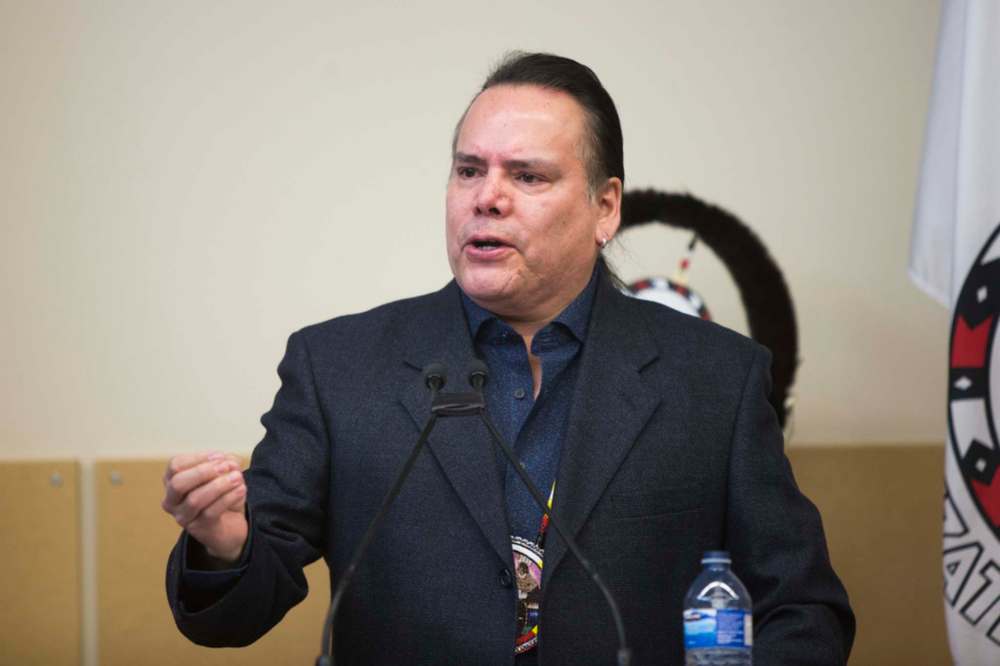
“The apprehension and fear that exists within the communities is real and has an impact on mental health. As part of Indigenous Services Canada a large amount of the support we provide turns in and around supports around mental health,” Miller said, adding the department is ready to do more as it assesses the impact of the pandemic.
Grand Chief Garrison Settee of Manitoba Keewatinowi Okimakanak, which represents northern First Nations in the province, says concern about inadequate personal protective equipment and sanitation supplies in remote, fly-in communities is further adding to the strain.
“It’s in our psyche, it’s in our conscience. Every waking moment, I’m thinking about what’s going to happen from day to day. Do we have enough resources to be able to address (COVID-19) if it does hit?” Settee said.
Elia Nicholson-Nave, executive director of the Kuu-Us Crisis Line Society, which runs an Indigenous-specific crisis line in British Columbia, says March brought a noticeable spike in calls, which has continued, due to pandemic-related issues.
“Many people are fearful of what is yet to come and often the unknown causes additional anxiety, depression and mental health distress,” she said, adding they have received no extra funding.

Back in Makwa Sahgaiehcan First Nation, Chief Mitsuing says COVID-19 restrictions have put on hold any opportunity for healing as community members and elders remain shut in their houses.
When COVID-19 is over, the chief says he wants to organize sharing circles to help people deal with their anxiety and ongoing grief.
He also wants to teach the youth about their cultural identity as a way to help them heal. He said that is what one of the youths wrote in a letter before dying by suicide.
“That’s what they were asking for. They didn’t know who they were … that they didn’t have an identity, so we’re going to try to teach them their culture, the way we were brought up.”
This report by The Canadian Press was first published May 3, 2020.
Related Articles
Restrictions ease as death toll increases
Advertisement Advertise With Us
Advertisement Advertise With Us