

A witness to the unthinkable
Advertisement
Read this article for free:
or
Already have an account? Log in here »
To continue reading, please subscribe:
Digital Subscription
One year of digital access for only $1.44 a week*
- Enjoy unlimited reading on winnipegfreepress.com
- Read the E-Edition, our digital replica newspaper
- Access News Break, our award-winning app
- Play interactive puzzles
*Billed as $5.77 plus GST every four weeks. After 52 weeks, price increases to the regular rate of $19.95 plus GST every four weeks. Offer available to new and qualified returning subscribers only. Cancel any time.
To continue reading, please subscribe:
Add Free Press access to your Brandon Sun subscription for only an additional
$1 for the first 4 weeks*
- Enjoy unlimited reading on winnipegfreepress.com
- Read the E-Edition, our digital replica newspaper
- Access News Break, our award-winning app
- Play interactive puzzles
*Your next Brandon Sun subscription payment will increase by $1.00 and you will be charged $17.95 plus GST for four weeks. After four weeks, your payment will increase to $24.95 plus GST every four weeks.
Read unlimited articles for free today:
or
Already have an account? Log in here »
Hey there, time traveller!
This article was published 05/04/2019 (2790 days ago), so information in it may no longer be current.
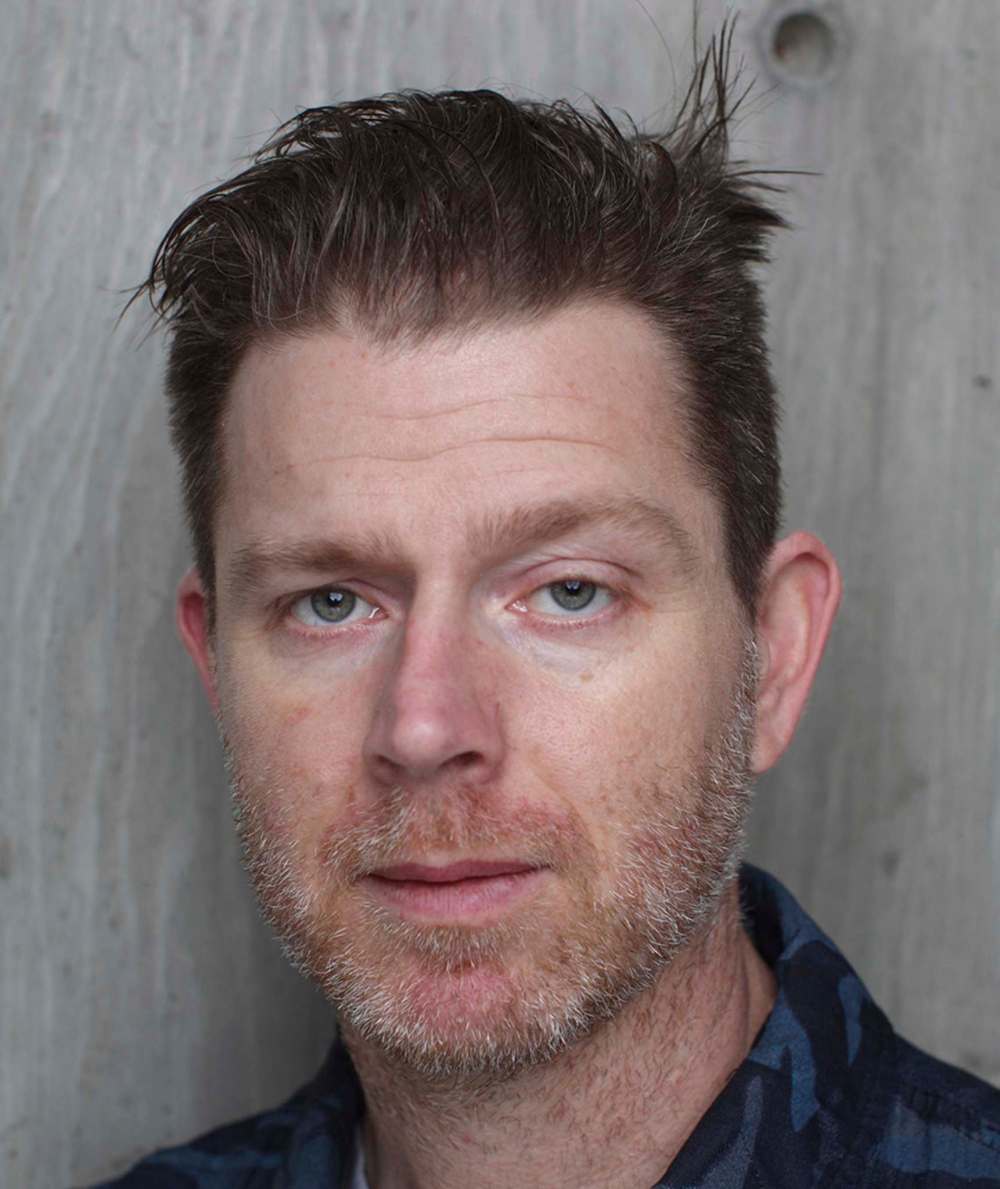
Jonathan Hayward is a staff photographer with The Canadian Press. This story was originally published by the News Photographers Association of Canada.
The Humboldt bus crash has been one of the hardest things I’ve ever had to cover. To this day, I still think about it.
I had just finished a week of covering the missing and murdered women inquiry in Richmond, B.C. It was around 6 p.m. (PT), I was looking forward to spending the weekend with my family after an already trying and sad week of work.
As I arrived home, I thought of checking my phone once more before logging off for the weekend. That’s when I saw a CBC news alert saying something like, “bus carrying hockey team in serious accident.” It mentioned it was in Saskatchewan. I got an immediate sick feeling in my stomach that this wasn’t good. A quick Twitter search and I found a picture of a mangled bus.
I asked my wife to grab my bag as I jumped on the computer to find flights. I found one leaving Vancouver in an hour and a half. I live about one hour from the airport, there was no time to waste. I was packed and out the door in eight minutes.
I touched down in Regina and booked a hotel at the airport to organize my plan of action and get some sleep before beginning what I knew would be an arduous assignment.
Incoming reports indicated there was no way anyone was going to be able to get near the crash anytime soon. I spent the next several hours in my hotel room calling every helicopter service in the area trying to secure any type of aircraft that could get me to the site.
At about 3 a.m., I got up and started to follow up with the aircraft providers while making the several hours drive to the area of the crash. By daybreak, I was at the road block about 30 kilometres away from the crash.
Persistent phone calls and emails to every helicopter company in Saskatchewan finally paid off when I got a call back saying I could get in the air but would have to get the chopper to come in from two hours away. I calculated that was going to get expensive with two hours to get to my location, two hours return, plus my time of coverage. I decided to offer a pool to any TV station willing to pay into this expense. I called CBC, CTV, Global and explained who I was and what I was doing and offered to split the cost. The chopper was on its way.
When the chopper finally arrived, it was -27 C. It was a 22-minute flight to the crash and we needed to take the doors off so I could shoot. The pilot decided we would get as close as possible, land, take the doors off and then do the shoot.
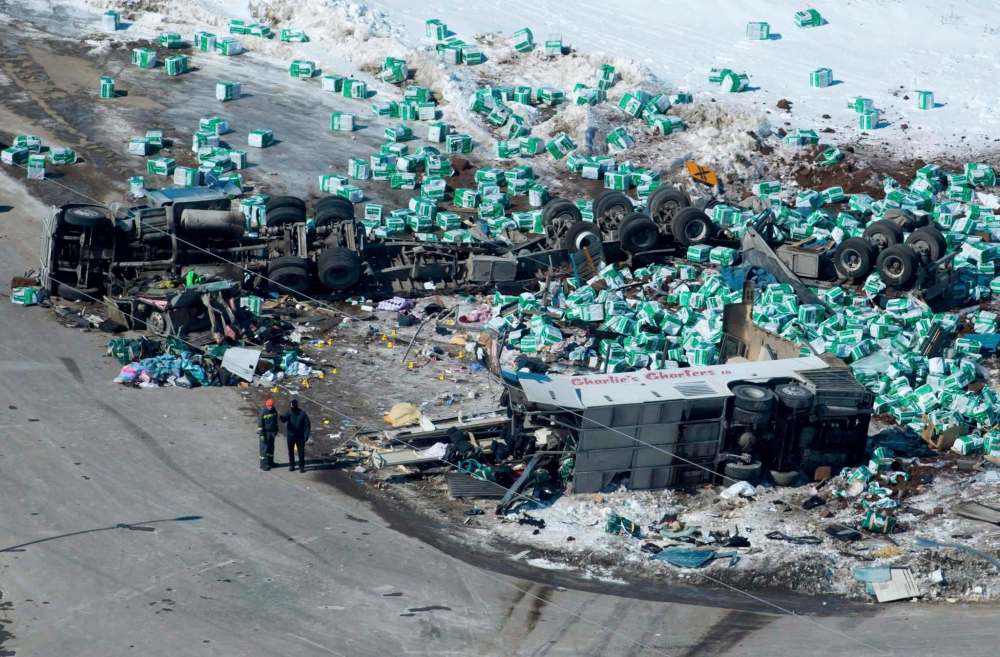
I was tired and cold but when I first saw the site of the accident I felt nothing. The scene was unexplainable, there was debris everywhere, I couldn’t tell what was what. Twenty-four years in the business and I was truly overwhelmed by what I was seeing.
At that moment, it hit me how big this story was and that I was the only one getting to see it and bringing the images to the world. No one else had a chopper, no one else had been able to get as close to the site. I had to document this the best I could.

I went from wide-angle shots of the prairies and the roads to 400-mm zoom of the crash details. I knew this was going to be the only opportunity that anyone could see this. While in the air and shooting, I was direct transmitting back to the office in Toronto and the picture desk was captioning my images and getting them out.
We landed and I was then hit with what the next few days of coverage were going to bring and what I would see. To say that it was overwhelming is an understatement.
For the next 10 days, I witnessed the emotional memorial at the Broncos’ home arena, I met with family members and covered a birthday party for a victim the day before his parents held his funeral.
This assignment was hard, the images were hard. However, I believe the coverage was and is needed: helping experts recreate the scene; helping parents try to make sense of the events; sharing with the world a parent’s worst nightmare and bringing people from around the world together to express their thoughts and prayers.
I hope I never have to witness anything like this again.