

Know before you go
Observing local customs makes travelling more enjoyable

Advertisement
Read this article for free:
or
Already have an account? Log in here »
To continue reading, please subscribe:
Monthly Digital Subscription
$1 per week for 24 weeks*
- Enjoy unlimited reading on winnipegfreepress.com
- Read the E-Edition, our digital replica newspaper
- Access News Break, our award-winning app
- Play interactive puzzles
*Billed as $4.00 plus GST every four weeks. After 24 weeks, price increases to the regular rate of $19.95 plus GST every four weeks. Offer available to new and qualified returning subscribers only. Cancel any time.
Monthly Digital Subscription
$4.99/week*
- Enjoy unlimited reading on winnipegfreepress.com
- Read the E-Edition, our digital replica newspaper
- Access News Break, our award-winning app
- Play interactive puzzles
*Billed as $19.95 plus GST every four weeks. Cancel any time.
To continue reading, please subscribe:
Add Free Press access to your Brandon Sun subscription for only an additional
$1 for the first 4 weeks*
*Your next subscription payment will increase by $1.00 and you will be charged $16.99 plus GST for four weeks. After four weeks, your payment will increase to $23.99 plus GST every four weeks.
Read unlimited articles for free today:
or
Already have an account? Log in here »
Hey there, time traveller!
This article was published 29/08/2015 (3815 days ago), so information in it may no longer be current.
A while back I wrote a column outlining dos and taboos to take note of when visiting foreign countries.
It proved to be popular enough to inspire a followup. This week’s column features an entirely different group of ‘know before you go’ suggestions to help give context to the places and people you may be thinking of visiting.
For many, the dinner meal at home is often taken at 6 p.m., perhaps a bit later if we chose to dine out at a restaurant, but typically no later than 8 p.m. In Argentina, restaurants usually don’t even open for evening diners until 9 p.m., and don’t fill up until after 10 p.m. Lunch is also served later, and it is best as a visitor to observe these meal times, or expect service to be slow and cold, (in more than one way).
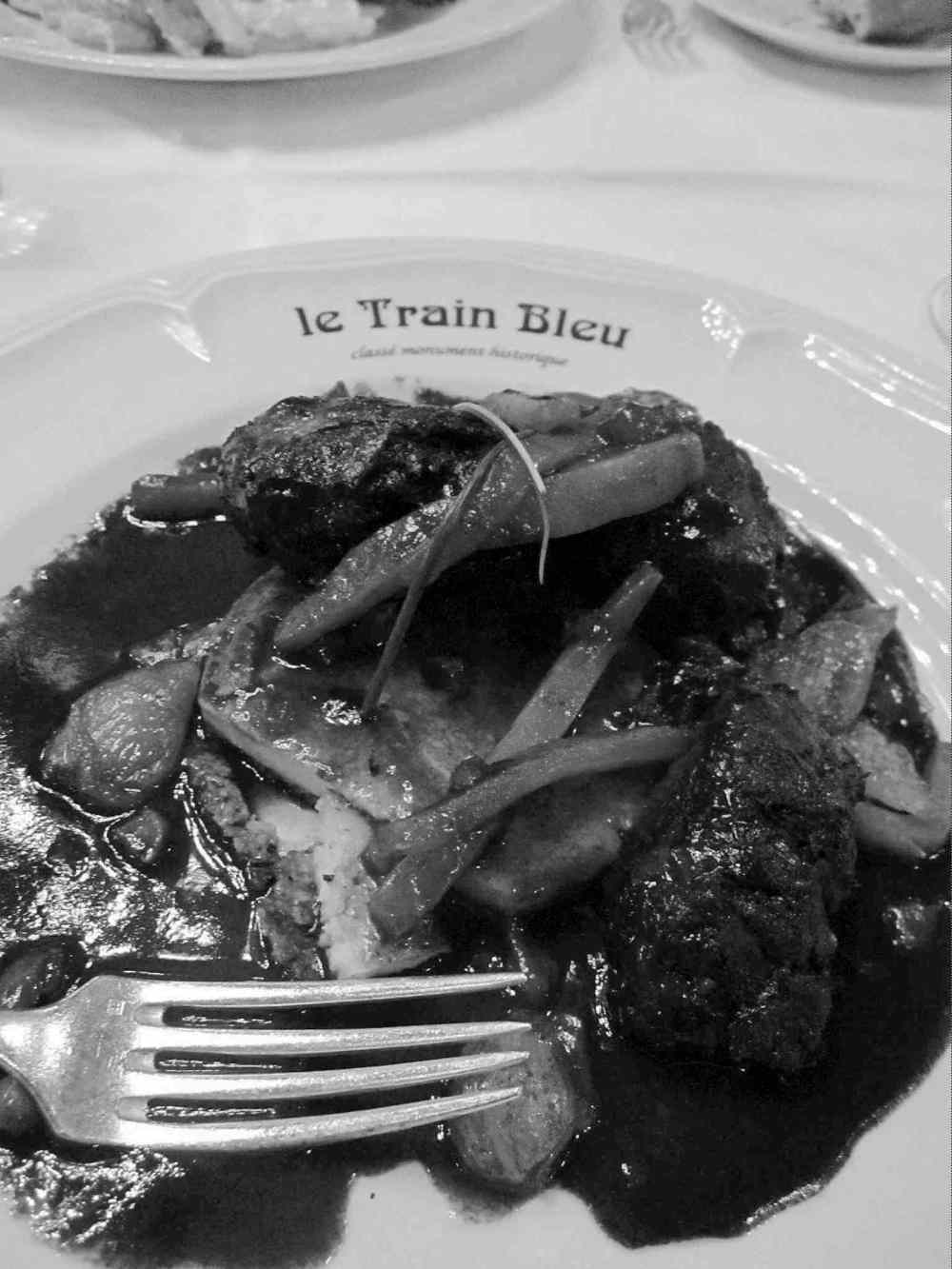
If you have an addiction to salty food you might want to control that desire if you visit Egypt. Salting food there suggests to the restaurant owner, the servers and especially the chef, you were not happy with the meal and felt obligated to overcome the inferior quality of the food with the use of the saltshaker.
France prides itself on its fine cuisine, often made with rich sauces punctuating the taste of the food. Asking for ketchup, mustard, or any other side sauce is deemed offensive. If you do this in Paris you may experience a response that has helped build their perceived reputation for rudeness.
It is common for most of us to clink glasses in a celebratory toast of friendship or camaraderie. You may want to find a different means of expressing these emotions while on your Hungarian vacation. In 1849, after being defeated in a war with Austria, the victorious generals apparently took great joy in emphasizing their control by clinking beer glasses with each other, infuriating the defeated warriors of Hungary. They swore to refrain from that style of celebration for 150 years. Time has passed, but the vow lives on.
What we do with our hands when we eat is not usually a consideration during meals in Canada. We do whatever comes naturally without giving a second thought, except perhaps for some rigid training from our parents not to put our elbows on the table. In Spain it is deemed unacceptable to put your hands below the table. They should be above board so everyone can see them.
While eating food with your hands is completely acceptable and common practice in Ethiopia, in Brazil the opposite is the case. Even pizzas are consumed by cutting the pieces with your knife and eating them only with your fork.
In Thailand you will never see a knife on your meal table. Your spoon is for cutting meats, while the fork is used to push the food onto the spoon. The fork is not the utensil for putting food in your mouth.
Canadians tend to be giving people when we travel, often wanting to leave gifts behind for those who have treated us to a positive experience in their country. What to give, however, can be a dilemma.
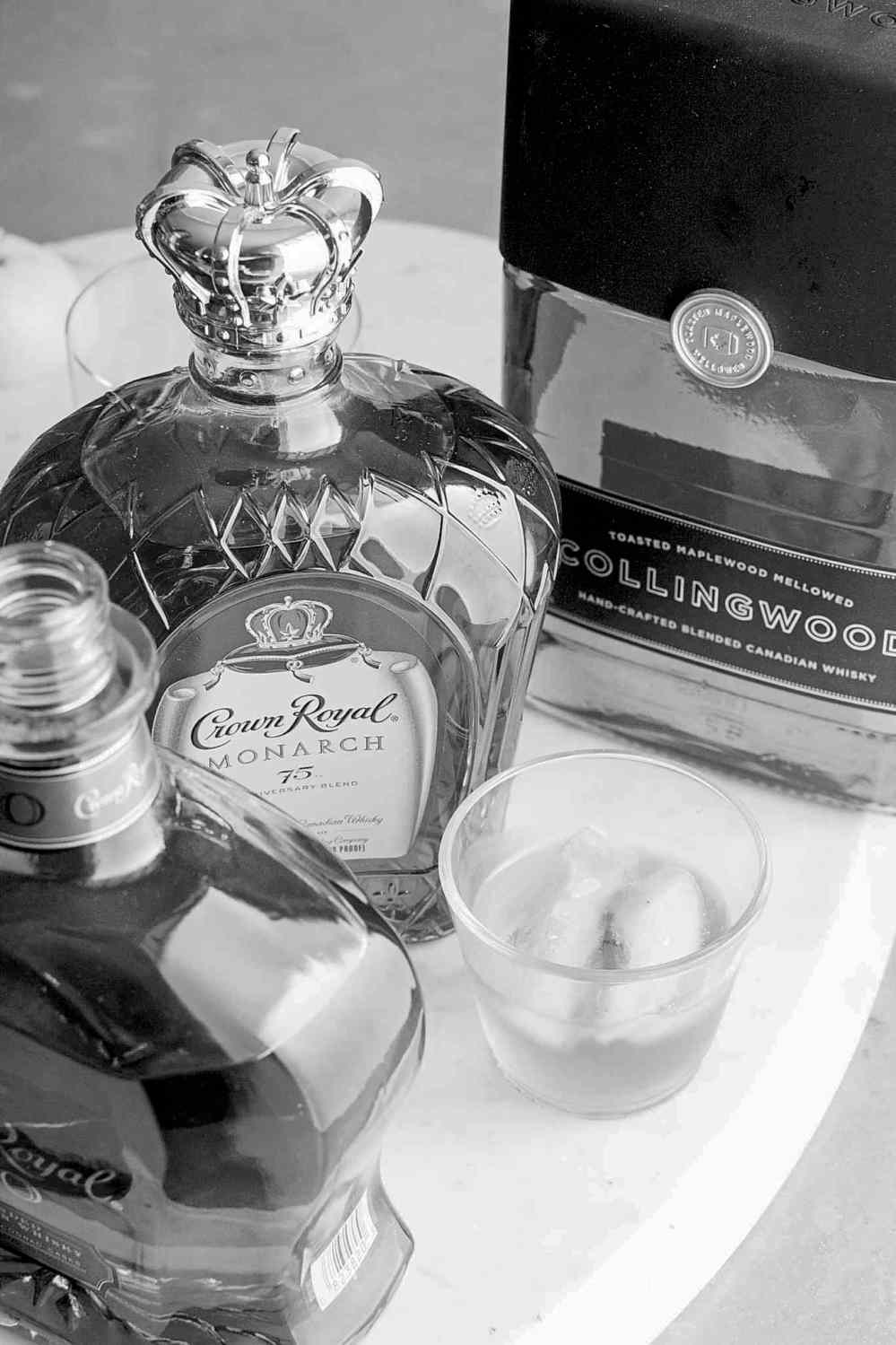
My experience staying with a family in Japan a number of years ago really taught me how strong the honoured tradition of gift giving exists in that nation. Should you have the opportunity to get to know people, you should plan to present gifts. They certainly will be presenting them to you. Once started, it can become a daily event. Some suggest the gifts should be elaborately wrapped to look fancy. My experience was the size, price, or look of the package was much less important than the thought. My gift of a bottle of Crown Royal was by far the most appreciated.
You should also never refuse a gift once offered — but it is good practice to strongly protest the gift at first. In many countries the choice of gift is important, and must be given serious consideration so as not to end up insulting your recipient with an unknowing bad selection.
Here in Canada, flower shops exist because a bouquet is seen as the perfect opening to warm conversation at the home of a family who has invited you for dinner or a weekend stay. In China flowers are associated with funerals, and would have the opposite impact in enhancing the conversation you may have been looking forward to having. Similarly, red carnations are presented only for Russian funerals, while yellow flowers signify the end of a relationship. In the case of a visitor, any of these offerings would be an immediate conversation stopper, which might only be revived with groveling apologies.

And in the Netherlands, never give sharp objects such as knives, regardless of how good or expensive. Pointed utensils are deemed unlucky, and are meant to be purchased by the user family alone.
These are just some of the many cultural differences worth knowing about before packing your bags.
If you have travel questions or comments email Ron at pradinukr@shaw.ca
A writer and a podcaster, Ron's travel column appears in the Winnipeg Free Press every Saturday in the Destinations and Diversions section.
Our newsroom depends on a growing audience of readers to power our journalism. If you are not a paid reader, please consider becoming a subscriber.
Our newsroom depends on its audience of readers to power our journalism. Thank you for your support.
A writer and a podcaster, Ron's travel column appears in the Winnipeg Free Press every Saturday in the Destinations and Diversions section.
Our newsroom depends on a growing audience of readers to power our journalism. If you are not a paid reader, please consider becoming a subscriber.
Our newsroom depends on its audience of readers to power our journalism. Thank you for your support.
Advertisement Advertise With Us
Advertisement Advertise With Us