WEATHER ALERT

Law and Order: Special Artifacts Unit Winnipeg Police Museum shines a light on the history of policing in city

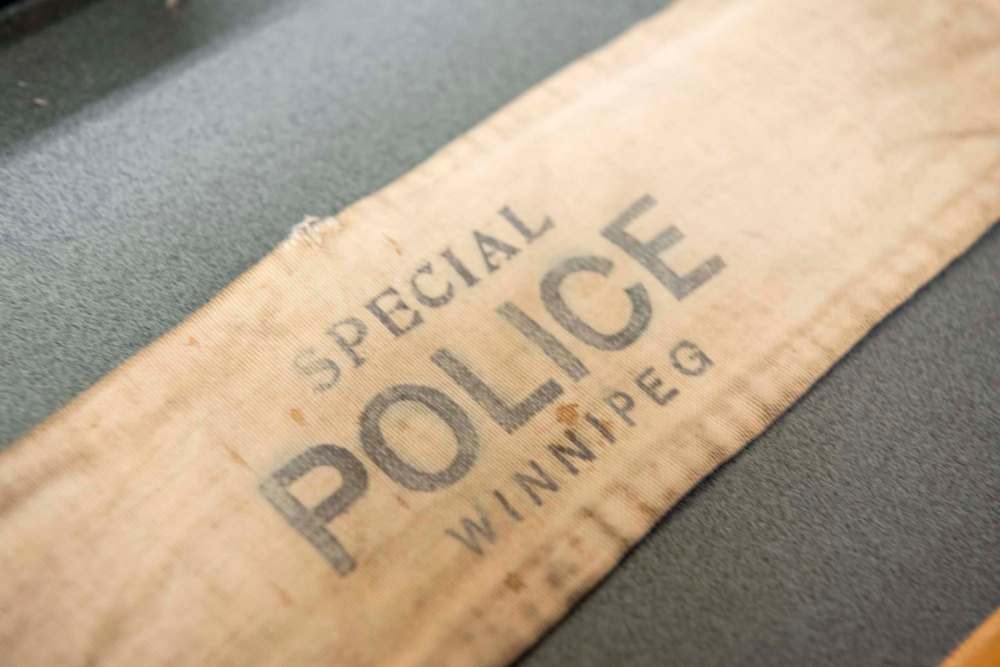
Worn for only a few days or weeks, a set of frayed and grimy canvas armbands stored in a back room at the Winnipeg Police Museum bear the weight of more than a century of history.
Read this article for free:

or

Already have an account? Log in here »

To continue reading, please subscribe:

Subscribe and receive a limited-edition Free Press branded hat or tote.

Digital Subscription

One year of digital access for only $205*

  • Enjoy unlimited reading on winnipegfreepress.com
  • Read the E-Edition, our digital replica newspaper
  • Access News Break, our award-winning app
  • Play interactive puzzles

*First annual payment billed as $205.00 + GST for one year. This annual subscription will automatically renew at $233.00 + GST every 52 weeks (10% off the regular annual price of $259.35). Offer available to new and qualified returning subscribers only. Cancel any time.

To continue reading, please subscribe:

Add Free Press access to your Brandon Sun subscription for only an additional

$1 for the first 4 weeks*

  • Enjoy unlimited reading on winnipegfreepress.com
  • Read the E-Edition, our digital replica newspaper
  • Access News Break, our award-winning app
  • Play interactive puzzles
Start now

*Your next Brandon Sun subscription payment will increase by $1.00 and you will be charged $17.95 plus GST for four weeks. After four weeks, your payment will increase to $24.95 plus GST every four weeks.

Hey there, time traveller!
This article was published 05/09/2021 (1771 days ago), so information in it may no longer be current.

Worn for only a few days or weeks, a set of frayed and grimy canvas armbands stored in a back room at the Winnipeg Police Museum bear the weight of more than a century of history.

ALEX LUPUL / WINNIPEG FREE PRESS
Armbands worn by special police during the Winnipeg General Strike in 1919 were used to distinguish officers from the strikers.
ALEX LUPUL / WINNIPEG FREE PRESS Armbands worn by special police during the Winnipeg General Strike in 1919 were used to distinguish officers from the strikers.

Originally fastened around a jacket sleeve with a set of snaps or modified with hand stitched elastic, these armbands bear witness to the involvement of special police constables in the 1919 Winnipeg General Strike.

Where to see it

Writer Brenda Suderman stepped into the past at Winnipeg Police Museum to check out century-old arrest records, mug shots, buffalo coats and other artifacts from nearly a century and a half of policing in Winnipeg.

Located on the ground floor of police headquarters at 245 Smith St., the museum is open 10 a.m. to 3 p.m. Tuesday to Friday. Admission is free, but donations are welcome. For more information, call 204-945-3976 or visit https://winnipegpolicemuseum.ca/

“They knew they were going to have all these civilians, so they needed ways to identify them,” museum curator Tammy Skrabek said, pointing to the large plastic bin of armbands stored on a shelf in a large second-floor archives room.

Along with the white armbands, printed with the words Special Police Winnipeg, the museum owns a bin of pinback celluloid buttons also issued to the anti-strike, anti-union volunteers hastily commissioned as police officers during the strike, which saw more than 30,000 workers participate, including most of Winnipeg’s Police Department.

Another large plastic bin holds dozens of night sticks, improvised from wagon wheel spokes and furniture legs during the strike.

Examples of each of these strike-related artifacts are on permanent display in the museum’s ground floor exhibit room in what once was public space in the former Canada Post building.

The non-profit museum moved downtown in 2016, after sharing space with the Winnipeg Police Academy in west Winnipeg for three decades.
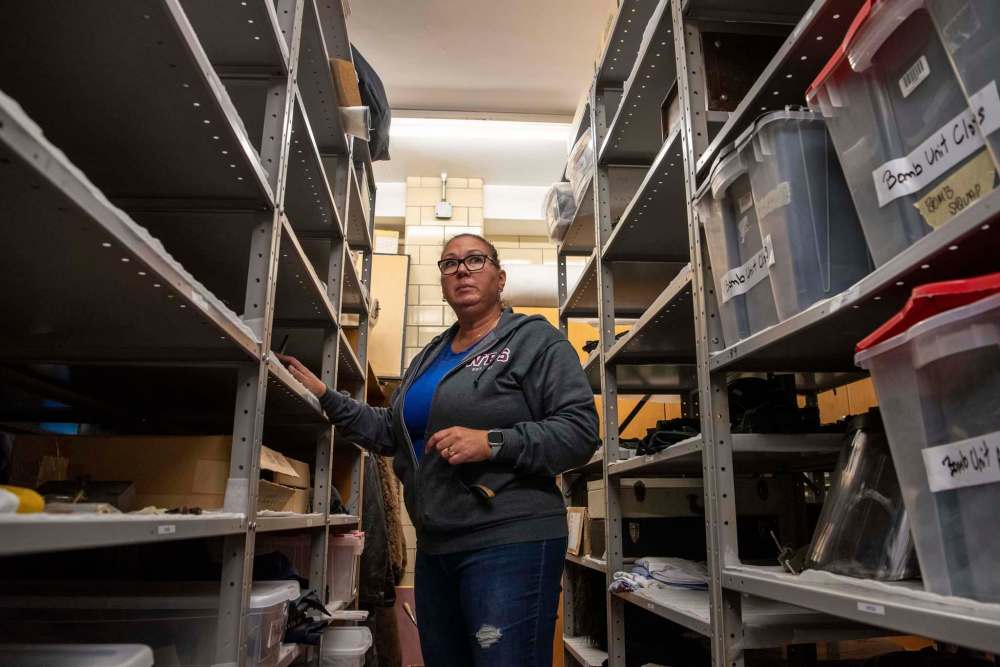
ALEX LUPUL / WINNIPEG FREE PRESS
Tammy Skrabek, curator of the Winnipeg Police Museum & Historical Society, says owing to the unique nature of artifacts, only certain locations will do.
ALEX LUPUL / WINNIPEG FREE PRESS Tammy Skrabek, curator of the Winnipeg Police Museum & Historical Society, says owing to the unique nature of artifacts, only certain locations will do.

Members of a police historical committee began collecting materials in 1973, after police departments in the metropolitan area of Winnipeg merged into what is now known as the Winnipeg Police Service. That creation of one department after a century of independent municipal departments didn’t go over well with everyone, says Skrabek, resulting in the destruction of some materials before they could be handed over to a central storehouse.

“For Winnipeg, we have record books going back to 1870. I have nothing for Transcona or Kildonan,” she says of the municipal departments that merged with the Winnipeg department.

“We’re in the process of working on the pre-amalgamation stories prior to 1974.”
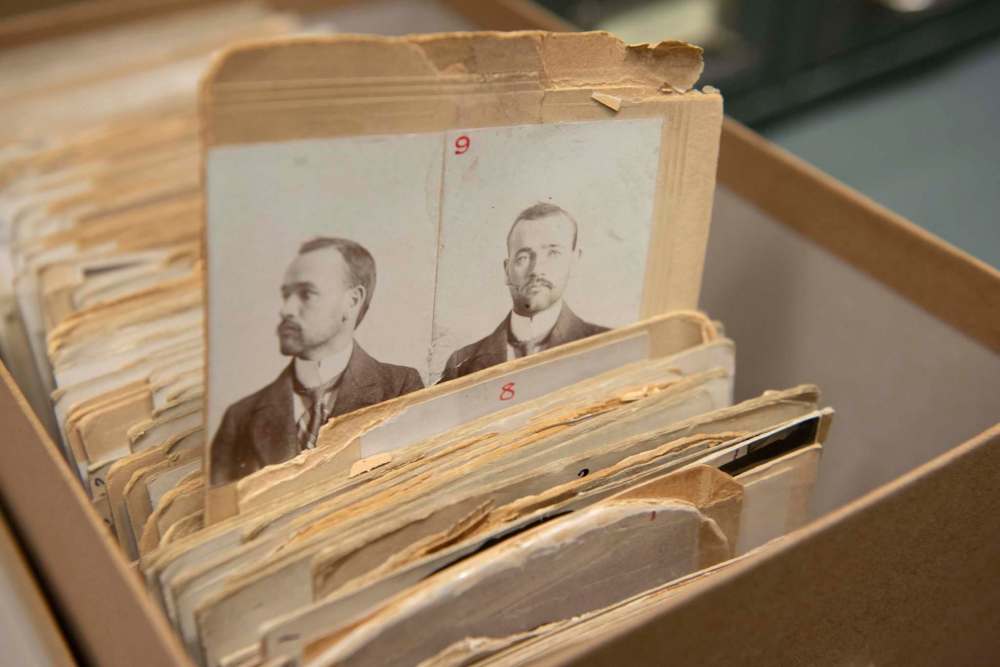
ALEX LUPUL / WINNIPEG FREE PRESS
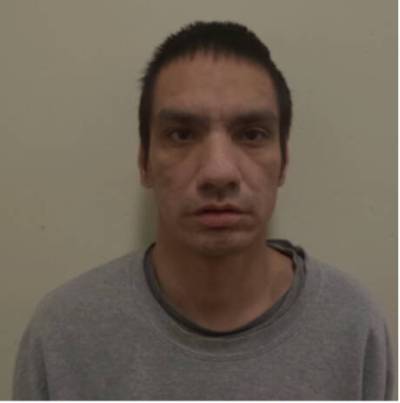
A mugshot from 1900 is among paper artifacts maintained at the museum.
ALEX LUPUL / WINNIPEG FREE PRESS A mugshot from 1900 is among paper artifacts maintained at the museum.

The second-floor climate-controlled archive and artifact storage room houses shelves and shelves of arrest records, robbery reports and mug shots, including a dozen or so hand drawn images from the 1870s, mostly from the Winnipeg department. Skrabek plans to digitize these carefully handwritten ledgers and files to create a searchable database for future researchers.

“It’s invaluable to preserve this,” she says of the floor-to-ceiling shelves filled with record books dated by year.

“It’s on paper, and paper and ink won’t last forever.”
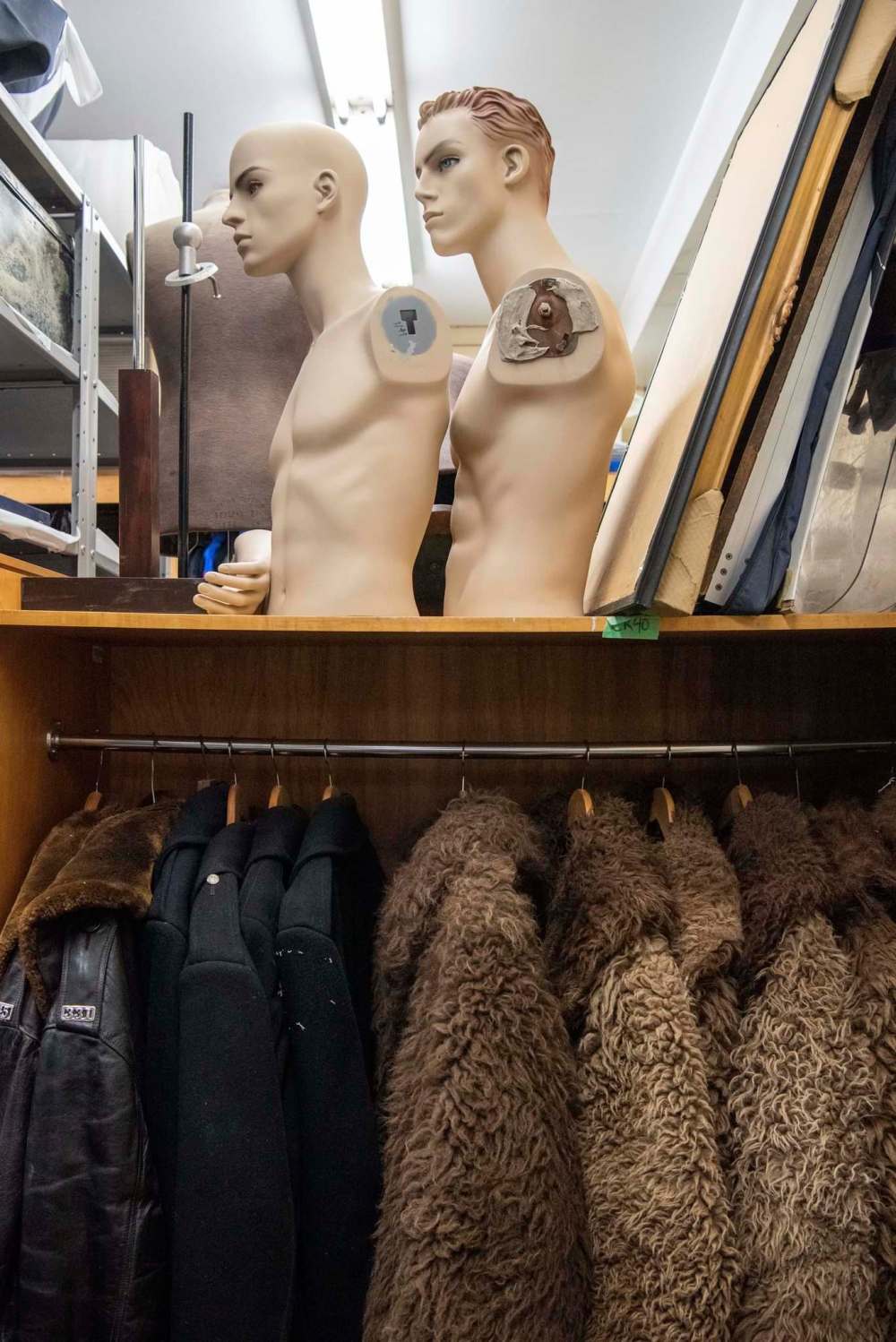
ALEX LUPUL / WINNIPEG FREE PRESS
The museum has both the old buffalo coats and the mannequins to display them.
ALEX LUPUL / WINNIPEG FREE PRESS The museum has both the old buffalo coats and the mannequins to display them.

Although all museums preserve artifacts and digitize records, Skrabek deals with unique challenges compared to other community museums. The former police officer maintains and cares for 50 firearms—all disabled—and files an annual firearms report. She also curates a huge closet of clothing, including buffalo fur coats worn by beat officers for years, racks full of wool uniform jackets, and assorted uniform hats, gloves and boots, and maintains a fleet of 20 vehicles, including motorcycles, cruisers, a paddy wagon and a hovercraft that never saw active duty.

“Not every museum is faced with the same type of collection,” she says of the wide range of artifacts at the Smith Street location.

“We’re dealing with firearms and bullets and various police equipment. It all requires different types of preservation and not every museum is equipped to deal with that.”

The storage room also houses some one-off curiosities, like the photo radar camera damaged by an irate and likely irrational motorist after receiving a ticket for speeding.

“This guy got a ticket and drove back and shot at the box,” says Skrabek, adding the whole incident was caught on camera.
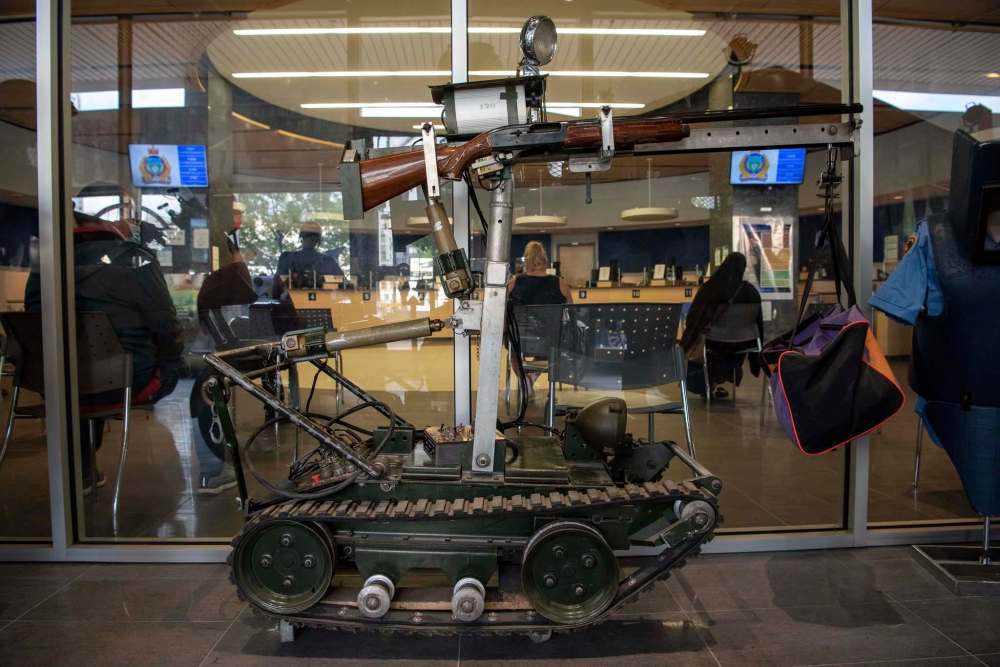
ALEX LUPUL / WINNIPEG FREE PRESS
A remote-controlled police robot is among artifacts at the museum.
ALEX LUPUL / WINNIPEG FREE PRESS A remote-controlled police robot is among artifacts at the museum.

Like other community-run museums, Skrabek runs on a bare-bones budget, made up from donations, payroll deductions by current members of the Winnipeg Police Service and a grant from the City of Winnipeg to cover her part-time curator’s salary.
ALEX LUPUL / WINNIPEG FREE PRESS
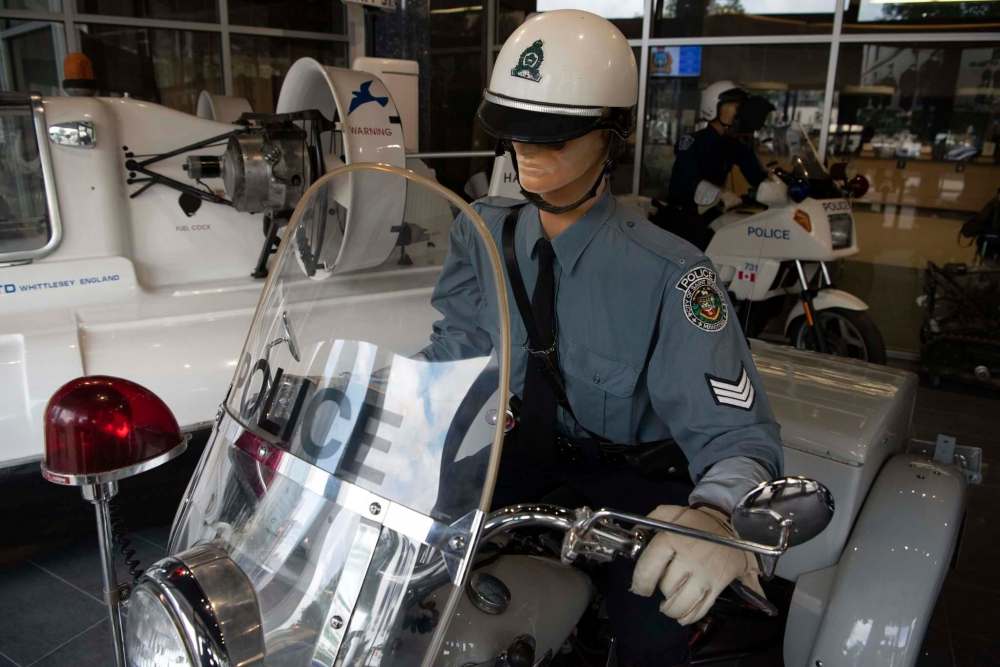
A 1966 Harley-Davidson with a sidecar: the sidecar wasn't for a passenger, but primarily to improve the motorcycle's performance in winter.
ALEX LUPUL / WINNIPEG FREE PRESS A 1966 Harley-Davidson with a sidecar: the sidecar wasn't for a passenger, but primarily to improve the motorcycle's performance in winter.

But she also counts on a wealth of volunteers who explain how an artifact was used to keep law and order on city streets. That 1978 Harley-Davidson motorcycle with attached sidecar may seem like a curiosity to some, but for former traffic officer Lawrence Klippenstein, it brings back memories of cold winter rides on snowy streets.

“Snow is bad but what was even worse was the sand on the street in spring,” he explains, adding that the sidecar didn’t carry passengers, but was employed to provide stability on slippery winter roads.
ALEX LUPUL / WINNIPEG FREE PRESS
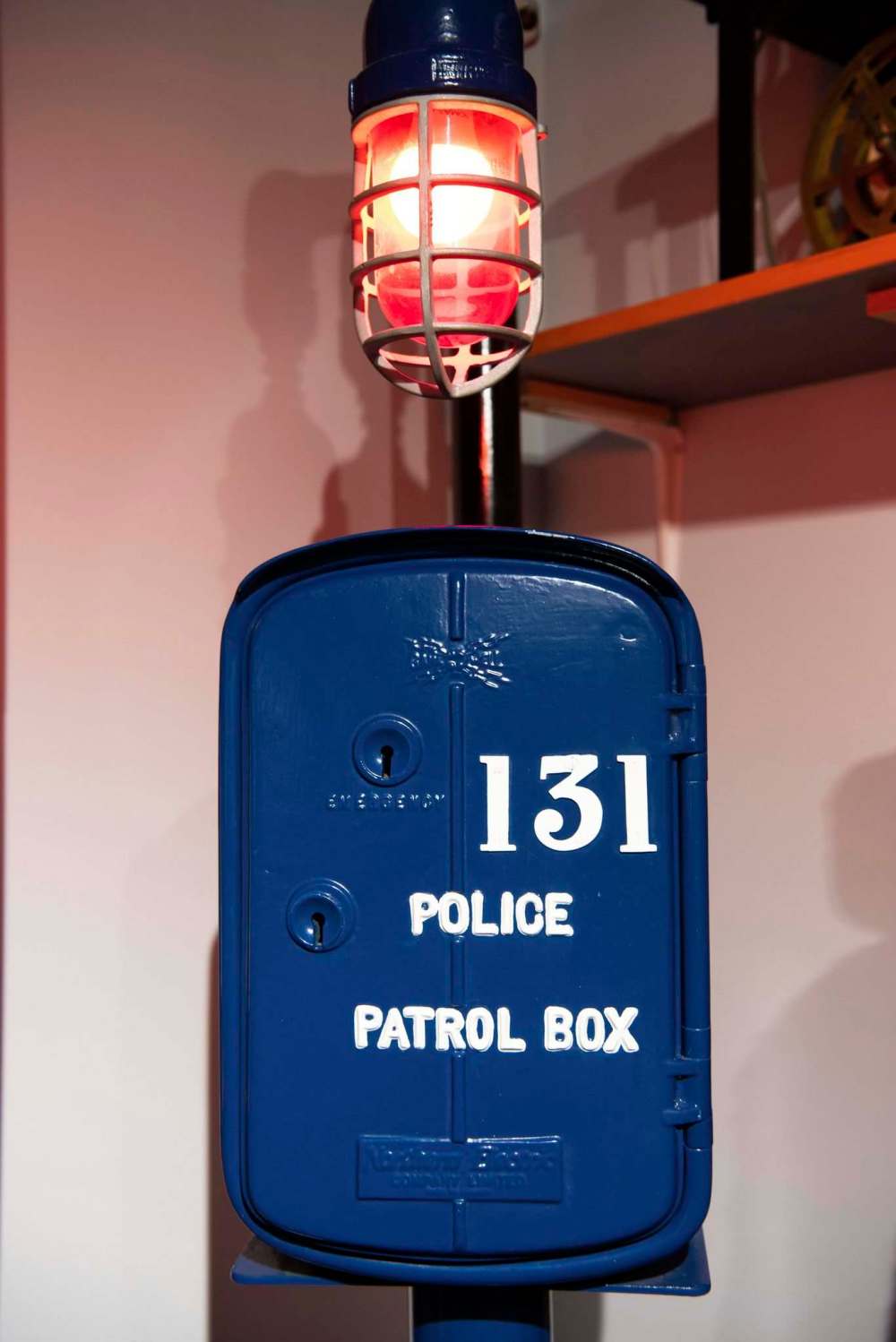
A police call box was an essential piece of equipment for policing in the pre-cellphone days.
ALEX LUPUL / WINNIPEG FREE PRESS A police call box was an essential piece of equipment for policing in the pre-cellphone days.

Smartphone-toting visitors may question the efficiency of a network of call boxes, used by beat officers to check in with their supervisors every 15 minutes or to call for a paddy wagon when making an arrest. But those cast-iron boxes, equipped with one-way telephones answered at local police stations, were cutting-edge technology in 1913 when installed, with Winnipeg only the third city in the world to employ the system, says former beat officer Don Wardrop, who joined the police in 1967 and retired as a district inspector in 1992.

“This is strictly a direct line and I often thought it would be good to (still) have them because it’s a direct line,” he says of the call boxes used until 1978.

Some technology preserved by the museum was less useful than anticipated, such as the 1971 hovercraft, given to the police department by an English manufacturer, but never mobilized for active duty on Winnipeg’s river system. Designed to fly over ice and water, the boat manufactured by HoverHawk was drydocked after a brief training period because it could only handle about 180 kilograms (400 lbs.)

ALEX LUPUL / WINNIPEG FREE PRESS
A hovercraft was donated to the Winnipeg police by its British manufacturer, but was mothballed when officers discovered it was easily overloaded.
ALEX LUPUL / WINNIPEG FREE PRESS A hovercraft was donated to the Winnipeg police by its British manufacturer, but was mothballed when officers discovered it was easily overloaded.

“It you take two officers fully clothed with their gun holsters, it was fully loaded and you couldn’t rescue anyone,” Skrabek says of the limitations of the hovercraft.

“They decided it wasn’t very conducive to policing in Winnipeg. The company didn’t want it back so it just went to a junkyard,” she says.

Eventually, it was donated to the museum where it is displayed both as a curiosity and perhaps a cautionary tale that not all technology functions in every context.
ALEX LUPUL / WINNIPEG FREE PRESS
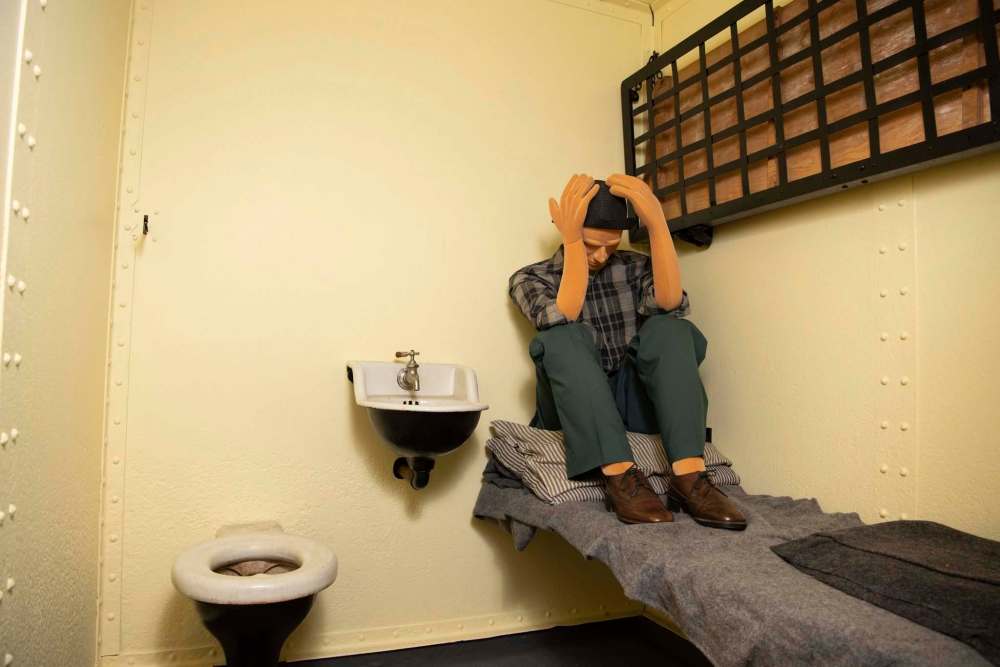
A jail cell is featured among the artifacts.
ALEX LUPUL / WINNIPEG FREE PRESS A jail cell is featured among the artifacts.

Visible to pedestrians passing by on the Graham Avenue sidewalk, the hovercraft and other vehicles in a front glassed-in room serve to entice visitors into the museum, says Skrabek.

“This was always designed to be a public area,” she says of the space accessible to museum visitors.

“And the museum was put here to make people feel more welcome.”

Currently behind locked doors, visitors can call the office number posted on sandwich boards on the sidewalks around the building, or buzz in at the security office.
ALEX LUPUL / WINNIPEG FREE PRESS
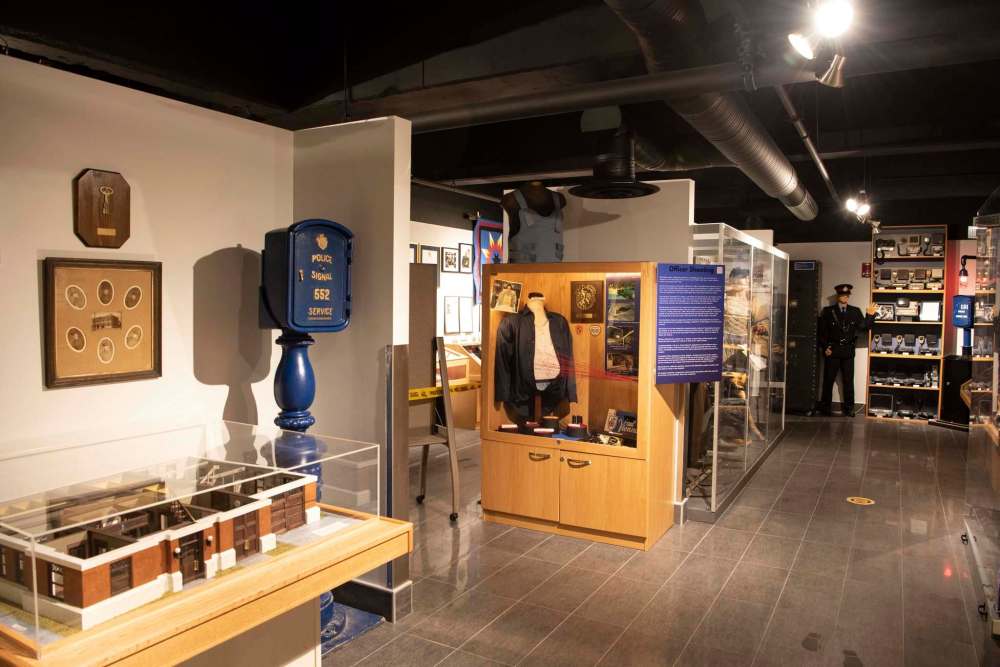
The Winnipeg Police Museum moved to a much more visible location in the downtown police headquarters from its old location on Allard Avenue in Westwood.
ALEX LUPUL / WINNIPEG FREE PRESS The Winnipeg Police Museum moved to a much more visible location in the downtown police headquarters from its old location on Allard Avenue in Westwood.

Once inside, volunteers will show visitors around the museum, share their own personal connections to the years of artifacts, and encourage visitors try on a uniform jacket or one of those heavy buffalo coats once worn by every cop pounding the beat.

“What I loved about buffalo coats is everyone would talk to you,” recalls Wardrop.

ALEX LUPUL / WINNIPEG FREE PRESS
Records of arrests in Winnipeg from the early 1900's are maintained in the museum.
ALEX LUPUL / WINNIPEG FREE PRESS Records of arrests in Winnipeg from the early 1900's are maintained in the museum.

“Kids loved it, seniors would talk to you, and the drunks would come up to you and ask, ‘Got a light, Teddy Bear?’”

And now Wardrop and the other retired officers volunteering at the museum return that favour, sharing their stories and experiences with the 10,000 or so visitors who file through annually.

“I call them my walking exhibits,” says Skrabek of her 18 regular volunteers.

“That’s the thing we get the most comments from visitors—they love the tour guides.”

brenda.suderman@freepress.mb.ca

Brenda Suderman

Brenda Suderman
Faith reporter

Brenda Suderman has been a columnist in the Saturday paper since 2000, first writing about family entertainment, and about faith and religion since 2006.

Our newsroom depends on a growing audience of readers to power our journalism. If you are not a paid reader, please consider becoming a subscriber.

Our newsroom depends on its audience of readers to power our journalism. Thank you for your support.

Report Error Submit a Tip

More Stories

Pallister’s pogey plan panned

Dylan Robertson 4 minute read Preview

Pallister’s pogey plan panned

Dylan Robertson 4 minute read Wednesday, Apr. 15, 2020

OTTAWA — Premier Brian Pallister's gambit to have Manitoba public servants work reduced hours and collect employment insurance would be a financial nightmare for Ottawa, with cities across the country demanding equal treatment.

“It's a really big deal to ask the federal government to pick up the tab on public-sector salaries at the provincial level,” said Wilfrid Laurier University economist Tammy Schirle. “That’s a huge ask.”

On Tuesday, Pallister said the only way Manitoba can avoid laying off public servants during the pandemic is to reduce weekly hours for non-essential employees.

He has asked Ottawa to allow such workers to collect employment insurance for the days they’re off work. That’s in line with EI's work-sharing program, which has only been used for private-sector employees.

Read
Wednesday, Apr. 15, 2020

Fond memories, new adventures at Roseau River Bible Camp

Mike McIntyre 4 minute read Preview

Fond memories, new adventures at Roseau River Bible Camp

Mike McIntyre 4 minute read Yesterday at 2:02 AM CDT

Ruth Morris has fond memories of attending summer camp as a child.

The food. The fun activities. The fireside chats. And, most of all, the freedom she felt.

“I was able to kind of just figure out who I was as a person, right? What I wanted to do, just making all those connections without parents hovering. I felt like a mini-adult,” Morris recalls.

Naturally, she wants her own children to have a similar experience as they grow up. But as a single mother on long-term disability due to fibromyalgia, camp simply isn’t affordable on a fixed income.

Read
Yesterday at 2:02 AM CDT

‘Very quiet around here’: Duck Mountain biz owners plead for assistance after flooding washes out park

Morgan Modjeski 5 minute read Preview

‘Very quiet around here’: Duck Mountain biz owners plead for assistance after flooding washes out park

Morgan Modjeski 5 minute read Updated: Yesterday at 6:38 PM CDT

Business owners at Duck Mountain Provincial Park who have lost thousands in revenue say they’re feeling left out of flood-recovery assistance in the Parkland region.

Dawn Dowsett, owner of Blue Lake Resort, said life has been chaotic since the parked closed on June 30 due to road washouts.

While there is limited access to the park, with some seasonal campers and cabin owners returning, it’s listed as closed on the Government of Manitoba’s website, with no nightly camping available until July 23.

She says the resort, which includes a restaurant and store, is missing out on part of the summer, a peak time for the business.

Read
Updated: Yesterday at 6:38 PM CDT

GG vetting process needs improvement: Trudeau

Mike Blanchfield and Joan Bryden, The Canadian Press 6 minute read Preview

GG vetting process needs improvement: Trudeau

Mike Blanchfield and Joan Bryden, The Canadian Press 6 minute read Friday, Jan. 22, 2021

OTTAWA - Prime Minister Justin Trudeau's admission Friday that he might have to improve the vetting for high-level appointments sparked criticism over why he didn't figure that out before he chose Julie Payette as governor general.

Trudeau named the former astronaut as Canada's 29th governor general in 2017 after disbanding a non-partisan, arm's-length committee created by the previous Conservative government to recommend worthy nominees for viceregal posts.

Thursday, she resigned over allegations she created a toxic work environment at Rideau Hall, an unprecedented move for a monarch's representative in Canada.

Trudeau faced questions Friday about his judgment and his government's failure to check with Payette's former employers at the Montreal Science Centre and the Canadian Olympic Committee, where she faced similar allegations of harassing and bullying subordinates.

Read
Friday, Jan. 22, 2021

Province commits $1.2B in budget for COVID fight

Carol Sanders 5 minute read Preview

Province commits $1.2B in budget for COVID fight

Carol Sanders 5 minute read Wednesday, Apr. 7, 2021

Finance Minister Scott Fielding has revealed another significant piece of the province's financial plan ahead of Wednesday's budget.

At a news conference Tuesday, Fielding announced he has budgeted $1.2 billion this fiscal year to protect Manitobans from COVID-19 and prepare the province for future pandemic costs.

"COVID-19 is the most important aspect of our provincial budget," Fielding told reporters outside Cadham Provincial Laboratory, flanked by Health Minister Heather Stefanson and lab staff.

"Our government's main priority is to protect Manitobans and to advance Manitoba," he said, adding the budget will outline immediate priorities and chart the province's path forward when the pandemic ends.

Read
Wednesday, Apr. 7, 2021

UK’s Truss drops tax cuts, axes Treasury chief amid turmoil

Danica Kirka And Jill Lawless, The Associated Press 7 minute read Preview

UK’s Truss drops tax cuts, axes Treasury chief amid turmoil

Danica Kirka And Jill Lawless, The Associated Press 7 minute read Friday, Oct. 14, 2022

LONDON (AP) — Embattled British Prime Minister Liz Truss sacked her Treasury chief and reversed course on a major part of her tax-cutting economic plan Friday as she struggled to hang on to her job after weeks of turmoil on financial markets. But the market response was muted and the political reaction to what many saw as panicked moves left Truss' credibility in tatters after only six weeks in office.

At a hastily arranged news conference, Truss said she was acting to “reassure the markets of our fiscal discipline” by ditching her pledge to scrap a planned increase in corporation tax. Earlier, she fired her close friend Kwasi Kwarteng as head of the Treasury and replaced him with Jeremy Hunt, a long-time lawmaker who has served three previous stints as a Cabinet minister.

Truss is trying to restore confidence and rebuild her credibility with international investors and members of her own party after the “mini-budget” she and Kwarteng unveiled three weeks ago sparked political and economic turmoil.

The government’s Sept. 23 announcement that it planned to cut taxes by 45 billion pounds ($50 billion) without detailing how it would pay for them or offering independent analysis about the impact on public finances raised concerns that government borrowing could rise to unsustainable levels.

Read
Friday, Oct. 14, 2022