Too horrible to imagine, too callous not to
Read this article for free:
or
Already have an account? Log in here »
To continue reading, please subscribe:

Digital Subscription
One year of digital access for only $205*
- Enjoy unlimited reading on winnipegfreepress.com
- Read the E-Edition, our digital replica newspaper
- Access News Break, our award-winning app
- Play interactive puzzles
*First annual payment billed as $205.00 + GST for one year. This annual subscription will automatically renew at $233.00 + GST every 52 weeks (10% off the regular annual price of $259.35). Offer available to new and qualified returning subscribers only. Cancel any time.
To continue reading, please subscribe:
Add Free Press access to your Brandon Sun subscription for only an additional
$1 for the first 4 weeks*
- Enjoy unlimited reading on winnipegfreepress.com
- Read the E-Edition, our digital replica newspaper
- Access News Break, our award-winning app
- Play interactive puzzles
*Your next Brandon Sun subscription payment will increase by $1.00 and you will be charged $17.95 plus GST for four weeks. After four weeks, your payment will increase to $24.95 plus GST every four weeks.
Read unlimited articles for free today:
or
Already have an account? Log in here »
Hey there, time traveller!
This article was published 21/01/2022 (1697 days ago), so information in it may no longer be current.
THERE are many lonely places to die, but few more so than the southern edge of Manitoba in the dead of winter, adrift in the dark emptiness of the sky and the white emptiness of the snow and a few specks of light glittering in the distance. It can be beautiful in its stillness, if you are safe enough to admire it. If you are not, the wind whispers only of desolation.
So it’s almost too terrible to think about what the last hours were like for the family from India that perished there at some point Tuesday night or Wednesday morning. Too terrible to think about how they must have trudged together — a man, a woman, a teenage boy, an infant — as the wind bit their flesh and their hope ebbed away and the -35 C cold gnawed its way up their limbs.
Related Articles
Minnesota trial set for Florida man in human smuggling case
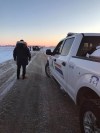
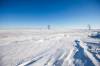
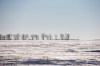

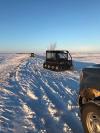
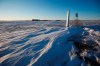
The story, as it was told in releases by law enforcement, was horrific. On Wednesday morning, about half a kilometre south of the border, U.S. law enforcement encountered a group of five men from India, heading for an unstaffed gas plant near St. Vincent, Minn. Two were seriously injured in the cold; they said they’d been walking for about 11 hours.
Someone was supposed to pick them up, they told police, according to a release from the U.S. Attorney’s Office in Minnesota.
One of the men carried a backpack. Inside, police found items for a child who wasn’t there: small clothing, toys, a diaper, some medicine. The man said he’d been carrying it for a family that had started out with them, but had become separated from the rest of the group during the night.
Later that day, RCMP found their bodies. The man, the woman and their infant lay just 10 metres from the border, not that crossing it would have offered any salvation from the cold; the youth died a short distance away. What their last hours must have been like are too terrible to consider, but what their deaths signify is too terrible to ignore.
Five years ago, the border at Emerson dominated local and even national headlines, as an unprecedented number of asylum-seekers made their way north. One of them, a 57-year-old woman from Ghana named Mavis Otuteye, succumbed to the cold less than a kilometre from Canada; others suffered severe frostbite, and at least two lost parts of their hands.
The survivors of these bitter winter treks told media their stories. They talked about the fear and the crises that pushed them to Canada. They talked about drivers who collected as much as $700 to drive them to some lonely spot a few kilometres from the border, then left them to fend for themselves in the killing winds and the snow.
Know this much about the world: there is always profit to be made from desperation.
On Wednesday morning. the U.S. border patrol stopped a large white van close to the border; inside they found two more undocumented Indian immigrants. The driver, Florida man, 47-year-old Steve Shand, has been arrested and charged with smuggling undocumented foreign nationals.
We do know this much: when they set out for the border that night, they were trying to live, not to die.
As the news trickled out Thursday, we still didn’t know much about the dead family. We didn’t know their names, or their story. We didn’t know how long they’d been in Canada, or exactly why they were headed to the United States. Without such detail, it’s hard to start untangling the threads of what happened.
We do know this much: when they set out for the border that night, they were trying to live, not to die.
You have to hold onto that fact, because without it, tragedies like these get sucked into arguments about immigration often riddled with resentment and xenophobia and blaming of the victims.
None of that matters when you begin to think through it by orienting yourself not to what is law, but to what is human.
Nobody leads their family into the vicious grip of a Canadian winter if they have better options. Nobody trudges for hours through -35 C weather if they are not desperate. Nobody sets out in a dark and lonely bid for the other side of the border if they can see a meaningful future from where they began.
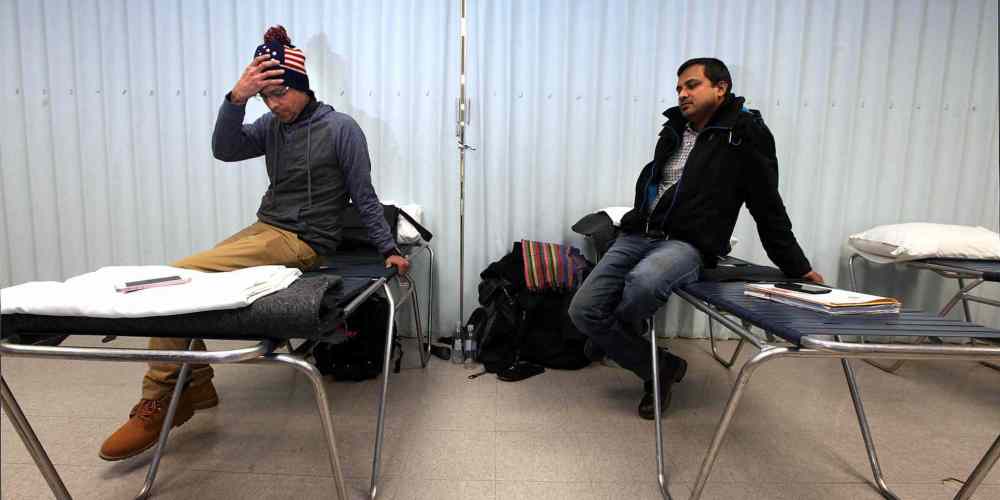
Follow 3 migrants on their perilous, frozen trek into Canada
Posted:
EMERSON — All is quiet on the northern front.It’s the middle of the night, just a stone’s throw from the Canada-U.S. border, and the temperature has fallen to -23 C.There’s only a breath of wind, but it’s the kind of night where the cold is not weather anymore, it’s the enemy.
Five years ago, my colleague Randy Turner and I teamed up to do a story on the people who were then fleeing north across the border in winter. He staked out a spot near the Emerson border, where he met several men as they took their first steps to safety; I followed up with them through their first days in the city as they made their asylum bids.
I asked one of them, a man named Maurice who had fled religious persecution, what he wanted Winnipeggers to know.
“Anybody could be in our shoes, that’s what I want them to know,” he said.
So, while we do not yet know much about the family who died in the snow, we know that they must have been at a point that any of us, comfortable in our homes, cannot imagine.
But given a different set of circumstances, they could have been us. We know they must have had hope that things would be better once they reached the other side of the border.
We know that hope shone bright enough to coax them to carry just a handful of belongings into an unbearable cold.
Knowing this, we can begin to name what is broken, and to place accountability where it is deserved. We can place it at the feet of human smugglers, who profit from dangling hope that leads people into unimaginable danger. We can place it at the feet of inequality and oppression, and all other ills that force people to venture out from a broken world.
They shouldn’t have died how they did, frozen and adrift in the windblown silence of the southern border. It’s a lonely place to die, and what their last hours must have been like are too terrible to imagine. But for their sake, and for all those who will come after, let us vow to imagine a future where nobody else should be pushed to the same position.
melissa.martin@freepress.mb.ca

Our newsroom depends on a growing audience of readers to power our journalism. If you are not a paid reader, please consider becoming a subscriber.
Our newsroom depends on its audience of readers to power our journalism. Thank you for your support.