Lost and found
Gen-Z protagonist’s insecurities tackled with unexpected levity
Advertisement
Read this article for free:
or
Already have an account? Log in here »
To continue reading, please subscribe:

Digital Subscription
One year of digital access for only $205*
- Enjoy unlimited reading on winnipegfreepress.com
- Read the E-Edition, our digital replica newspaper
- Access News Break, our award-winning app
- Play interactive puzzles
*First annual payment billed as $205.00 + GST for one year. This annual subscription will automatically renew at $233.00 + GST every 52 weeks (10% off the regular annual price of $259.35). Offer available to new and qualified returning subscribers only. Cancel any time.
To continue reading, please subscribe:
Add Free Press access to your Brandon Sun subscription for only an additional
$1 for the first 4 weeks*
- Enjoy unlimited reading on winnipegfreepress.com
- Read the E-Edition, our digital replica newspaper
- Access News Break, our award-winning app
- Play interactive puzzles
*Your next Brandon Sun subscription payment will increase by $1.00 and you will be charged $17.95 plus GST for four weeks. After four weeks, your payment will increase to $24.95 plus GST every four weeks.
Read unlimited articles for free today:
or
Already have an account? Log in here »
This timely and witty Canadian novel wades into the North American culture wars, while dipping its toes into the waters of philosophy and urban development.
In What Gentleman Do, veteran Alberta-born author Todd Babiak imagines a gen-Z protagonist whose personal insecurities have pushed him into the clutches of a white supremacist podcaster.
The protagonist, Waylon Gans, narrates in the close first-person. At 20 and essentially an incel (involuntary celibate), he thinks of himself as “some loser from a town nobody has ever heard of.”
Luke Marsden photo
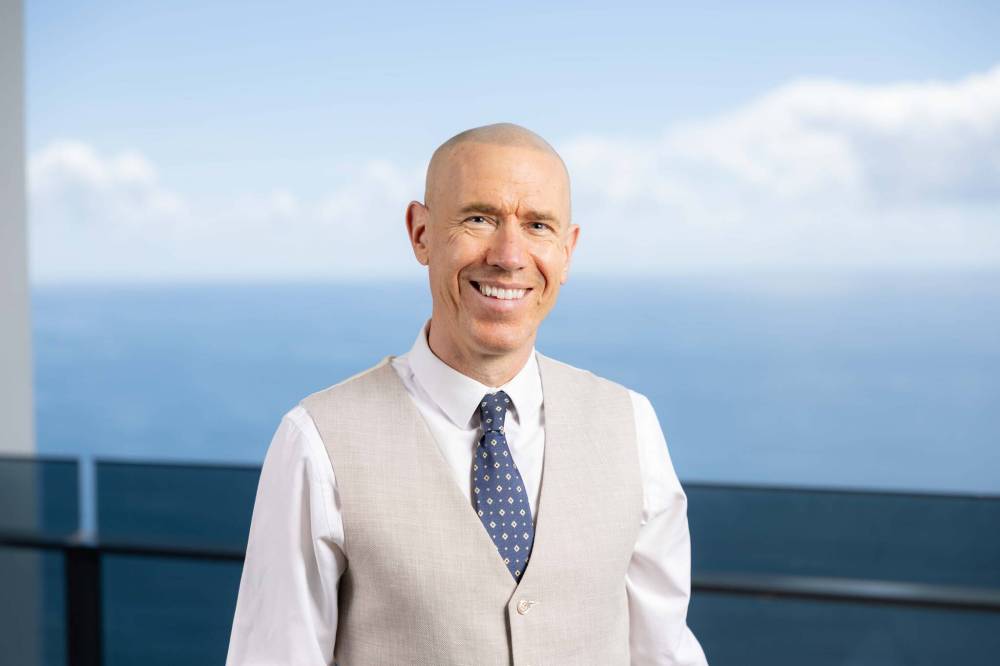
Now based in Australia, Todd Babiak is a former arts columnist with the Edmonton Journal and the author of eight novels.
Walleye, “current population 97,461 and falling,” occupies an unspecified part of the North American prairie.
Waylon, meanwhile, is self-conscious about being the adopted son of a janitor and a waitress. Rejected by a nerdy rich girl above his station, he dropped out of high school during the pandemic, taking solace in the message of a Texas podcaster, a Charlie Kirk-type who calls his followers “the Gentlemen.”
For three years, when he wasn’t getting “exquisitely buttered” on marijuana, he soaked his brain in “the usual stuff about universities going woke and the pansies in government forcing us to buy solar panels and pink electric cars and selling us out to global elites and hairy men pretending to be women.”
As the novel opens, Waylon is trying to regain his footing following a terrible incident he blames himself for. At the Walleye Community and Technical College, in Waylon’s mind the only thing his drab prairie city has going for it, he falls into a class called “Introduction to Stoicism.”
One thing leads to another, and Waylon trades his allegiance to the podcaster for the counsel of the ancient Roman emperor Marcus Aurelius, who embodies the Stoic principles of discipline and moral self-improvement. As Aurelius would say: “What stands in the way becomes the way.”
Babiak, a former arts columnist with the Edmonton Journal, is in his early 50s and the author of eight previous novels. He wears his erudition lightly in the sections about Waylon’s conversion to Stoic thought.
His narrator continues to think and speak like a 20-year-old, who persists (annoyingly, to elderly reviewers) with the generational tic of using the objective pronoun in the subjective case, as in “him and Barry went to this seminar” and “me and dad had discussed it.”
But Stoicism leads Waylon to try not only to improve himself but to improve Walleye. He runs for mayor and does much else besides. “If your city means nothing,” he thinks, “you mean nothing.”
The novel has a busy plot and a big cast of supporting characters. In the latter sections about civic development, Babiak appears to be channelling his recent experience as an urban branding specialist.
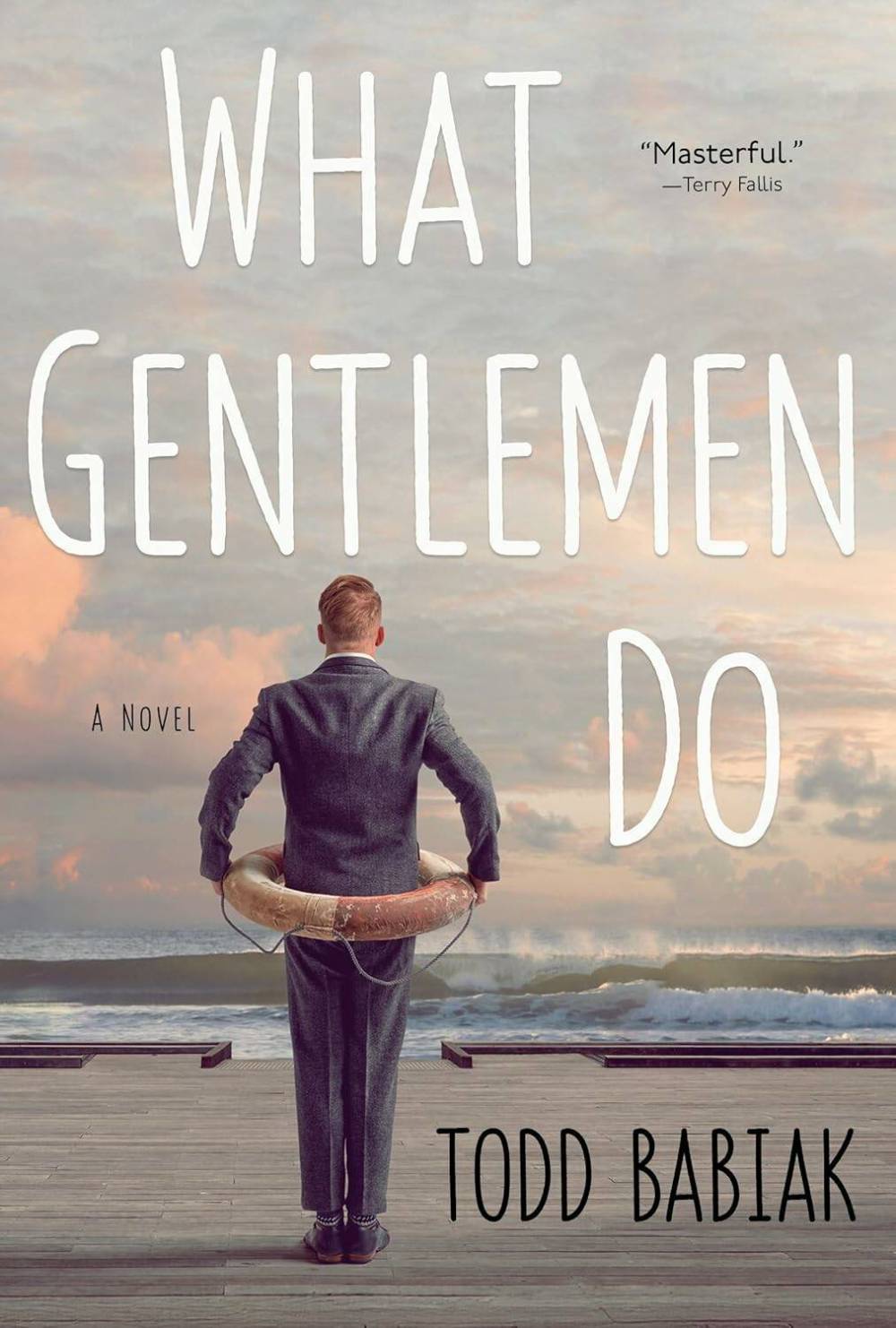
What Gentlemen Do
In 2019, he was recruited to head up the Australian office of Brand Tasmania and has now moved on to a similar job on the mainland’s famed Gold Coast.

As such, Babiak knows something about crossing international borders. But he draws none in What Gentleman Do. Toronto, New York and Sydney receive equal billing. Walleye itself exists on an imaginary plane similar to Brigadoon.
The words “Alberta” and “Canada” do not appear in the text. However, Babiak offers clues that Canucks will recognize: Walleye suffers a blizzard on Halloween; Waylon’s best friend is a Blackfoot Indian.
“Being white didn’t mean anything,” Waylon says at one point. “You can see why people pretend to be Indigenous these days. It’s so cool to have something to believe in other than what TikTok says, something in your heart and blood.”
What Gentleman Do wants into your heart too. In the end it is a light novel about a dark subject, and Babiak pulls it off with gentlemanly aplomb.
Morley Walker is a retired Free Press editor and writer.