

PUB locks in Hydro rate increases, warns more on way
Advertisement
Read this article for free:
or
Already have an account? Log in here »
To continue reading, please subscribe:
Monthly Digital Subscription
$1 per week for 24 weeks*
- Enjoy unlimited reading on winnipegfreepress.com
- Read the E-Edition, our digital replica newspaper
- Access News Break, our award-winning app
- Play interactive puzzles
*Billed as $4.00 plus GST every four weeks. After 24 weeks, price increases to the regular rate of $19.95 plus GST every four weeks. Offer available to new and qualified returning subscribers only. Cancel any time.
Monthly Digital Subscription
$4.99/week*
- Enjoy unlimited reading on winnipegfreepress.com
- Read the E-Edition, our digital replica newspaper
- Access News Break, our award-winning app
- Play interactive puzzles
*Billed as $19.95 plus GST every four weeks. Cancel any time.
To continue reading, please subscribe:
Add Free Press access to your Brandon Sun subscription for only an additional
$1 for the first 4 weeks*
*Your next subscription payment will increase by $1.00 and you will be charged $16.99 plus GST for four weeks. After four weeks, your payment will increase to $23.99 plus GST every four weeks.
Read unlimited articles for free today:
or
Already have an account? Log in here »
Manitoba Hydro customers can expect further upward pressure in rates as the Public Utilities Board has finalized a four per cent general rate increase — effective Jan. 1, 2026 — and approved general revenue increases of 3.5 per cent Jan. 1, 2027, and three per cent Jan. 1, 2028.
The board noted short-term financial pressure due to severe drought conditions, according to a news release late Thursday.
In 2025, water flows approached the second-lowest levels in 112 years, the release said.
Darren Calabrese / THE CANADIAN PRESS FILES
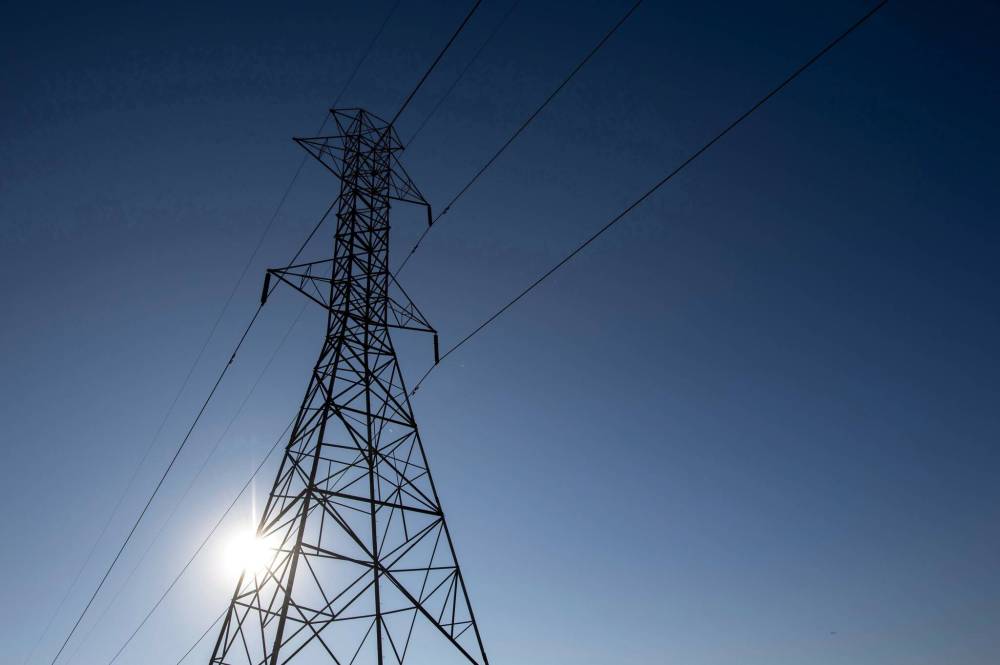
The Public Utilities Board has finalized a four per cent general rate increase for Manitoba Hydro customers, effective Jan. 1, 2026. The board also set targeted revenue increases of 3.5 per cent for Jan. 1, 2027 and three per cent Jan. 1, 2028, although the exact rates will vary.
Between filing the application in March 2025 and oral hearings in November, Hydro’s outloook worsened by more than $600 million — from a projected net income of $218 million to a projected loss of $409 million, the board’s release said.
The news release distinguishes between general rate increases and general revenue increases: general rate increases apply equally to all customers while a general revenue increase means some customers will face increases more than the 3.5 per cent (2027) and three per cent (2028) and some customers will face lower increases.
The difference “ensures that each customer class pays its fair share” of Manitoba Hydro costs.
The exact increases different customers will face will be the subject of a future compliance filing by the utility, the release said.

The news means the four per cent increase effective at the start of 2026 applies to all customers except those in four northern communities serviced by diesel generators.
Other findings in the PUB order include a recognition that Hydro’s capital plans and major projects are expected to incur an extra $18.2 billion in spending to nearly $31.2 billion, driven by the proposed high voltage direct current reliabilty project.
The board also expressed concern about the “disconnect” between Hydro’s three-year rate-setting process and the provincial treasury board’s one-year-at-a-time capital projects approval process, “which can limit certainty for multi-year rate decisions.”
The release also noted a projected increase in operating and administrative expenses of $528 million, or about 25 per cent. The board disallowed one per cent of planning operating and administrative expenditures and approved a capped deferral account of up to $167 million related to the utility’s ongoing software replacement process.
Concerns about energy poverty ended the news release, with the board saying it recommends the province undertake an energy poverty reduction review and develop an energy poverty reduction strategy. It also recommended a refundable tax credit to help low-income customers reduce their energy use and reduce the overall energy burden. “Targeted programs are needed as energy is an essential service and programs of general application do not do not help those most in need.”