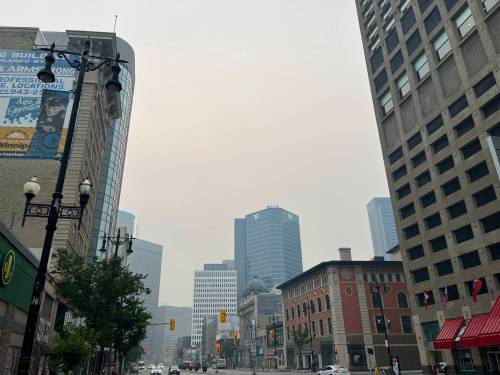
Embracing autumn Birdwatching, fruit foraging, cool trails help make most of fall
Read this article for free:
or
Already have an account? Log in here »
To continue reading, please subscribe:

Digital Subscription
One year of digital access for only $205*
- Enjoy unlimited reading on winnipegfreepress.com
- Read the E-Edition, our digital replica newspaper
- Access News Break, our award-winning app
- Play interactive puzzles
*First annual payment billed as $205.00 + GST for one year. This annual subscription will automatically renew at $233.00 + GST every 52 weeks (10% off the regular annual price of $259.35). Offer available to new and qualified returning subscribers only. Cancel any time.
To continue reading, please subscribe:
Add Free Press access to your Brandon Sun subscription for only an additional
$1 for the first 4 weeks*
- Enjoy unlimited reading on winnipegfreepress.com
- Read the E-Edition, our digital replica newspaper
- Access News Break, our award-winning app
- Play interactive puzzles
*Your next Brandon Sun subscription payment will increase by $1.00 and you will be charged $17.95 plus GST for four weeks. After four weeks, your payment will increase to $24.95 plus GST every four weeks.
Read unlimited articles for free today:
or
Already have an account? Log in here »
Hey there, time traveller!
This article was published 18/09/2022 (1403 days ago), so information in it may no longer be current.
On Thursday, Sept. 22, we mark the fall equinox, the time of year when days and nights are roughly equal. In Manitoba, this is a sign that winter will follow soon, but there’s still lots of time to enjoy the autumnal splendour of colourful foliage, late blooming plants, and nightly displays of migrating birds. Here’s a few suggestions on how and where to check out natural shows in or near Winnipeg.
Geese dropping in
More than a stop on the way south, Winnipeg is a prime staging area for migratory birds each fall, beginning in late August and stretching to early November.
Although many species of birds visit during the flight south, Canada geese are far and away the most common, said Barret Miller of FortWhyte Alive.
MIKE DEAL / WINNIPEG FREE PRESS The Living Prairie Museum is open from 10 a.m. to 5 p.m. on Sundays in September, but visitors can walk the trails any time, aided by a brochure at the trailhead outlining aspects of this now-rare habitat.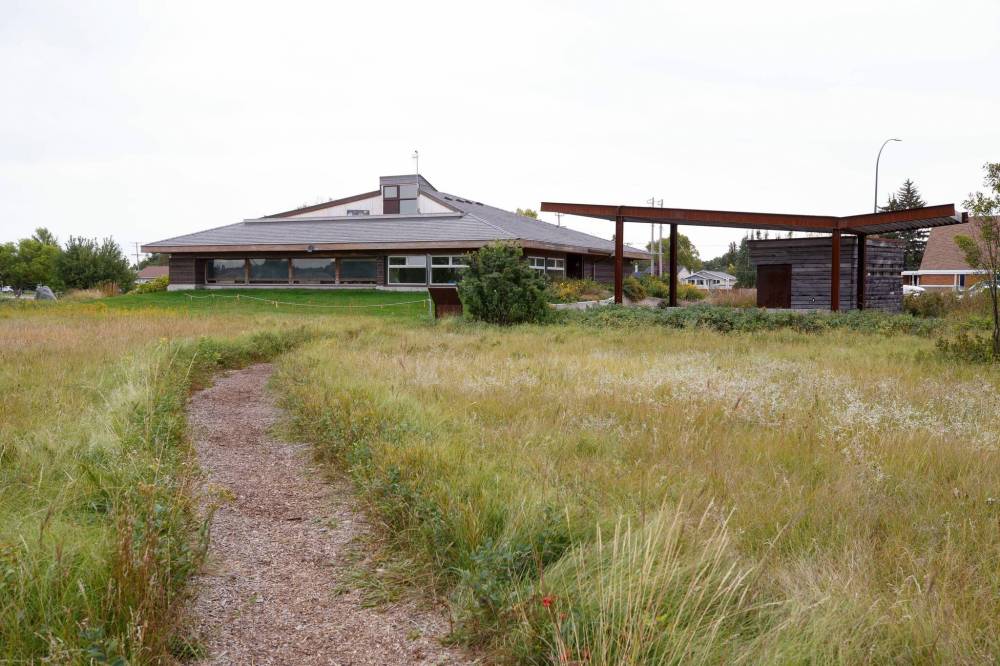
“We’re a major stop. We have very few predators for geese, and we have lots of water and food,” said Miller, group and corporate program manager.
“Unintentionally, we’ve built a city that is great for geese.”
At peak migration in mid-October, up to 40,000 Canada geese land at the lakes at the southwest Winnipeg nature centre each night, honking loudly as they settle in for a night’s rest.
“It’s just as loud as the Bomber crowds,” said Miller, comparing the geese’s volume to the fans at a sold-out football home game.
Beginning Wednesday, FortWhyte Alive moves to extended hours, keeping the nature centre open until 30 minutes after sunset to allow Winnipeggers to view the nightly goose flights.
Miller said there’s nothing quite like seeing thousands of geese landing on the lakes, backlit by the sunset, a sight that sustained him during the difficult days of the pandemic when the centre was closed or had limited capacity.
“It stirs up a feeling of awe and a feeling of being small in the face of nature that we all need to feel,” he says.
“The geese still fly, and the birds still move (south.)”
After two years of pandemic restrictions, this year, FortWhyte Alive can accommodate up to 400 people per evening. Register online at www.fortwhyte.org
For bird watchers wanting to see other species, head to Pembina Valley Provincial Park south of Morden, which is located on the flyway for migrating hawks and raptors, said Sloan Cathcart, head of interpretation for Manitoba Parks.
“You get a really good opportunity to view migratory raptors,” he said of the many spots in the day-use park overlooking the Pembina River.
Golden glow
Manitoba may not have the dramatic bright red maple leaves of Eastern Canada in autumn, but our forests and parks put on their own dramatic display this time of year, especially if the temperature dips below zero.
“You get more vibrant colours if we get a frost,” said Cathcart.
Leaves start to turn colour by mid to late September, when they get less sunlight as the days gets shorter, breaking down the chlorophyll and revealing their yellow or orange pigments, said Cathcart.
“The chlorophyll drains out and they turn more yellow and brown and if they are high in sugar, they turn more red.”
KEN GIGLIOTTI / WINNIPEG FREE PRESS FILES Migrating geese at FortWhyte Alive.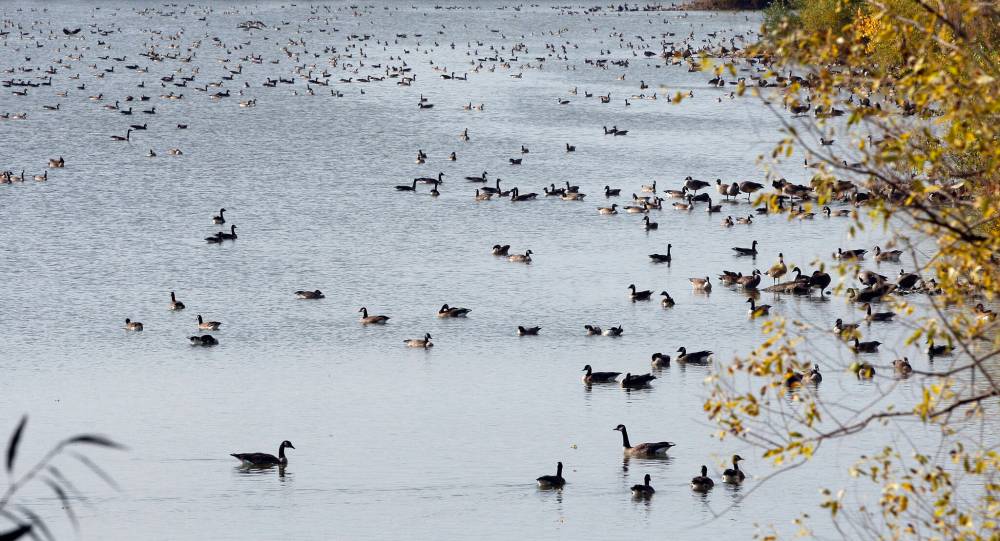
Leaves of some shrubs and berry bushes often turn deep red, adding to the diversity of fall colours. Hikers in nearby provincial parks can also watch for colourful berries, ready for harvest, said Cathcart. Visitors to Manitoba Parks are permitted to pick berries, nuts and mushrooms.
“Everything is a bit later this year,” he said. “There are lots of chokecherries and high bush cranberries for foraging.”
Although the days are shorter and cooler, hikers may find the trails less crowded than in summer, and even a bit more comfortable, said Cathcart, who likes to visit Spruce Woods and Whiteshell this time of year.
“The fall is a great time to go hiking because it’s not as hot, not as humid and the mosquitoes are gone.”
Silver linings
September is prime time to see three silvery plants that gave a west Winnipeg neighbourhood its identity.
Silver Heights was named after Wolf willow, Silverleaf scurfpea and Prairie sage, all plants with tiny white hairs on their leaves that give them a silver shimmer.
“They are basically trying to reflect sunlight and keep themselves cooler,“ said Cameron Ruml, curator at Living Prairie Museum, located at 2795 Ness Ave.
MIKE DEAL / WINNIPEG FREE PRESS Red rose hips in bloom. The tart fruit serves as food for wildlife throughout the winter.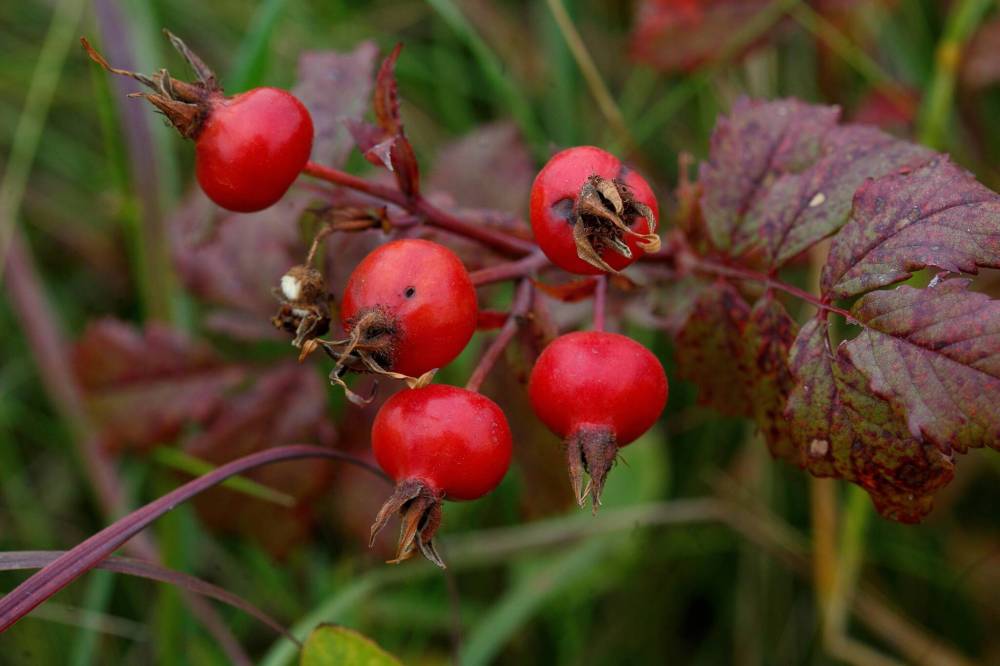
These spots of silver are visible along from the trails through the 13 square hectare tall grass prairie preserve, as well as other late blooming plants, which add tiny pops of colour to the fall landscape, said Ruml.
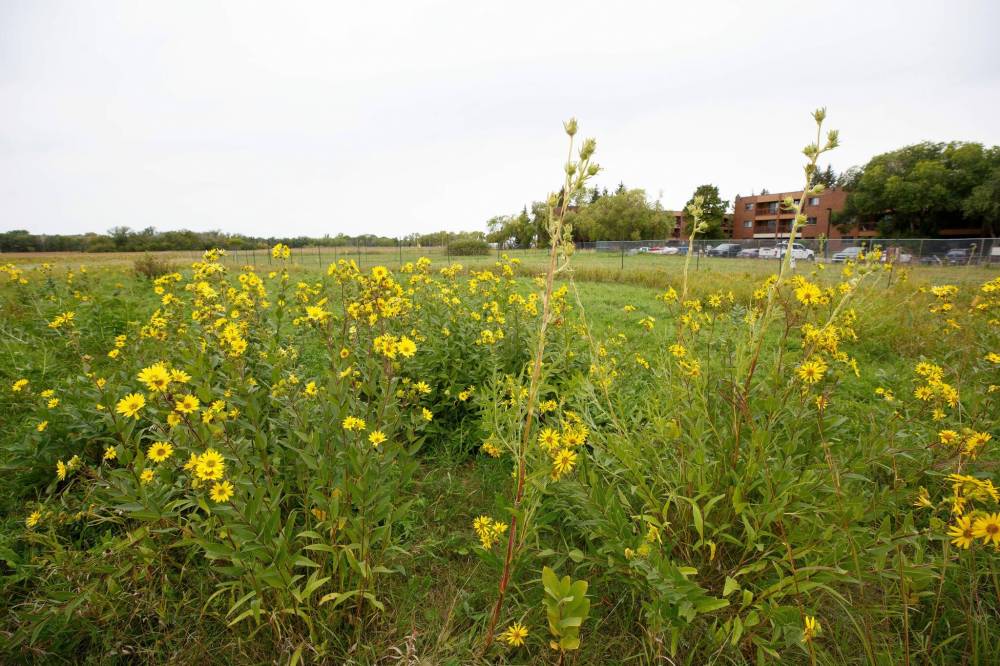
Right now, the purple New England asters are flowering, as well as the sunflower-like compass plant, which features flat leaves pointing north-south, providing a food source for pollinators after summer blooms have faded.
The city-run interpretive centre is open from 10 a.m. to 5 p.m. on Sundays in September, but visitors can walk the trails any time, aided by a brochure at the trailhead outlining aspects of this now-rare habitat.
Big Bluestem, Manitoba’s provincial grass, is at full height and blooming right now, identifiable by its long blue-green leaves and purplish flowers divided into three stems, sometimes referred to as turkey foot. Strands of the 1.5-metre grass can be found in Assiniboine Forest, Beaudry Park, Bird’s Hill Provincial Park, and around retention ponds in some Winnipeg suburbs such as Bridgwater Forest and Sage Creek, said Ruml.
“Late fall is the best time for the grasses. In summer they don’t have their seed pods up,” he said of the common native grasses such as side oats grama, spear grass, prairie dropseed and green needlegrass.
MIKE DEAL / WINNIPEG FREE PRESS Cameron Ruml, curator at the Living Prairie Museum, says late fall is the best time for grasses, such as Big Bluestem. The tall grass can be found in Assiniboine Forest, Beaudry Park, Bird’s Hill Provincial Park, and around some retention ponds in the city.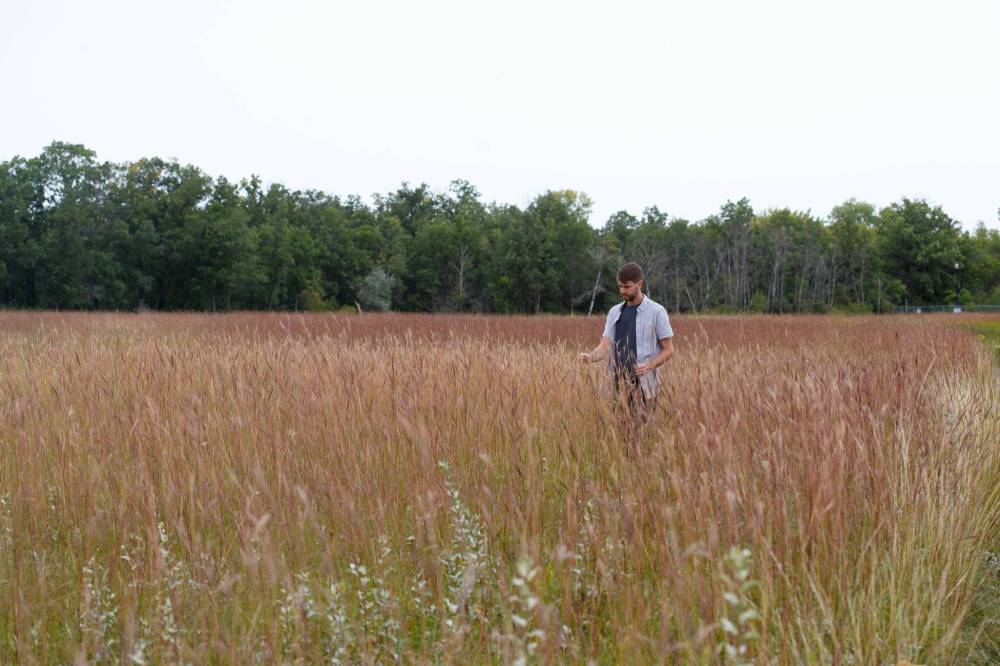
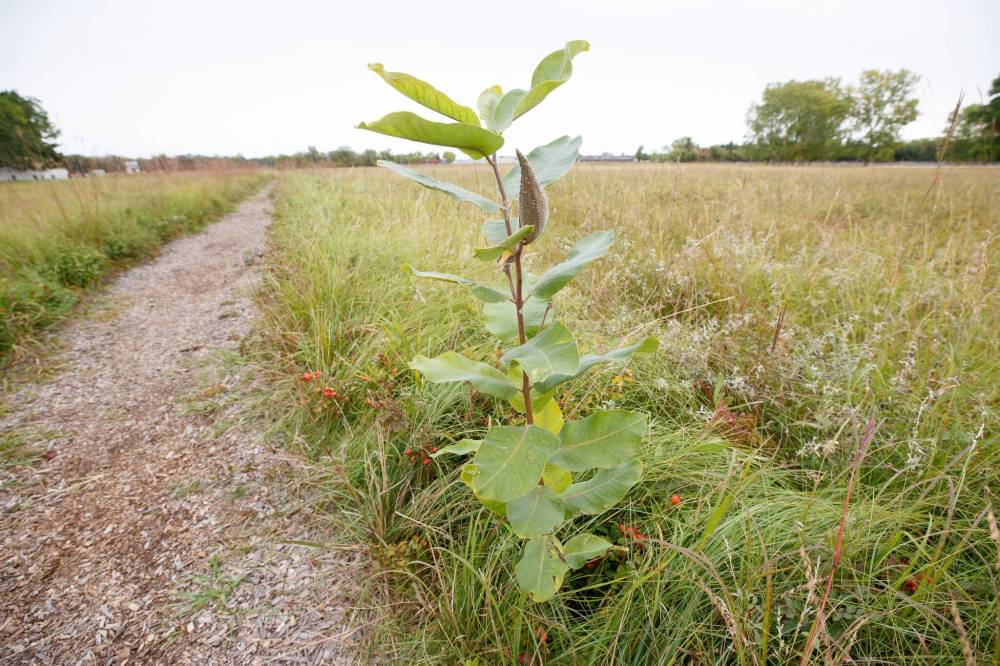
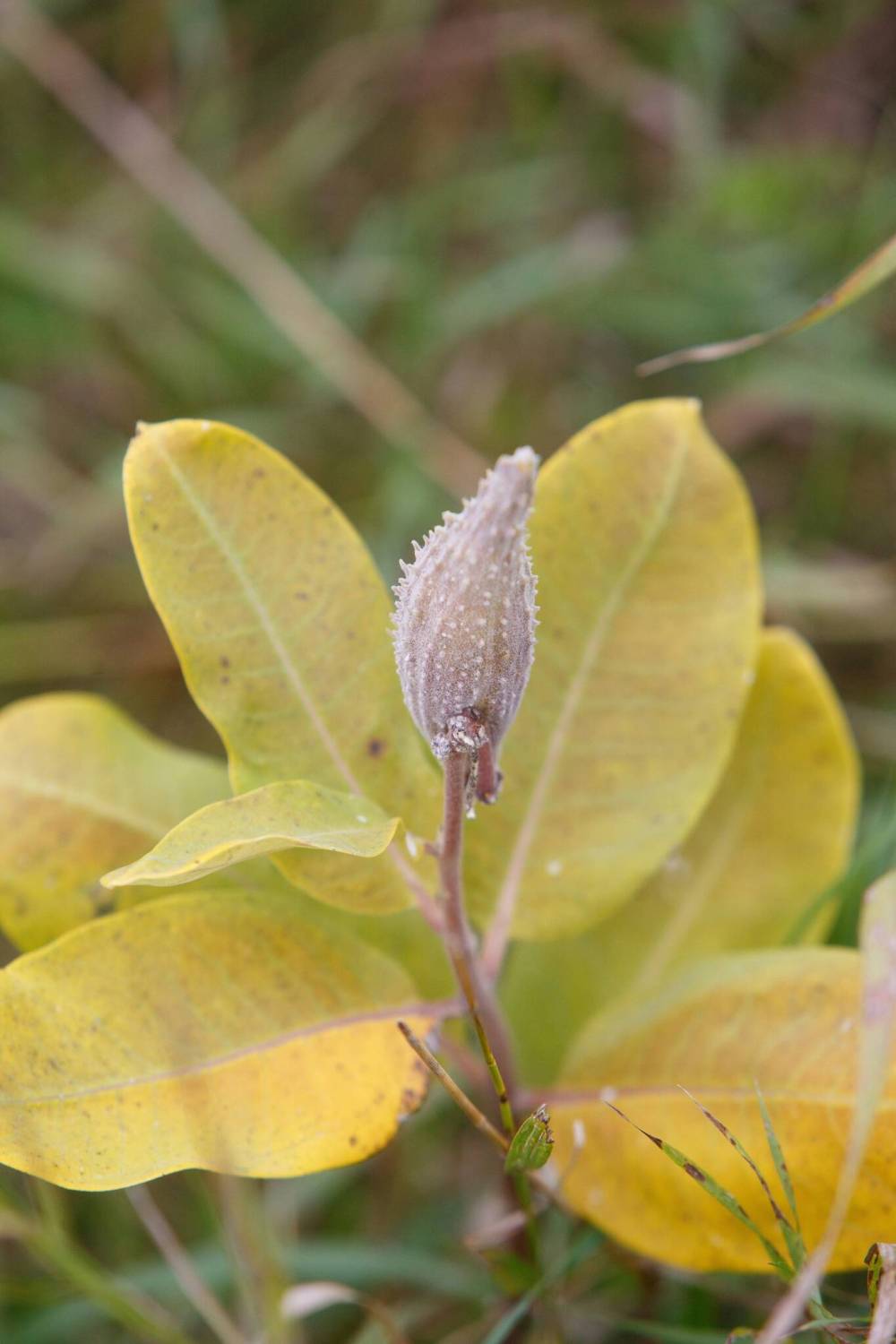
It’s also a great time to witness the horn-shaped seed pods of milkweed plants burst and spread thousands of seeds by fall winds. Living Prairie Museum is home to four species of milkweed, which provide habitat for monarch butterflies.
Fall is a huge time of change on the prairie, said Ruml, with migrating birds filling up on seeds to prepare for their long flight home, late blooming plants sending their seeds out for propagation, and pollinators taking advantage of fall flowers. Red rosehips and white snowberries provide contrast to the mostly green prairie plants and provide food for wildlife throughout the winter.
And while people can enjoy autumn on the prairies, walk lightly and remember it is the home to many species of critters and vegetation, said Ruml.
“Not everything (on the prairie) is for humans. This is a habitat for wildlife, for pollinators, for plants,” he said.
brenda@suderman.com
MIKE DEAL / WINNIPEG FREE PRESS
Prairie Rosinweed with their yellow petals and the tall Compass plants thrive at the museum.
MIKE DEAL / WINNIPEG FREE PRESS
The Common Milkweed is one of numerous plants visitors will find at the museum.
MIKE DEAL / WINNIPEG FREE PRESS
A close-up of the Common Milkweed reveals it natural beauty.
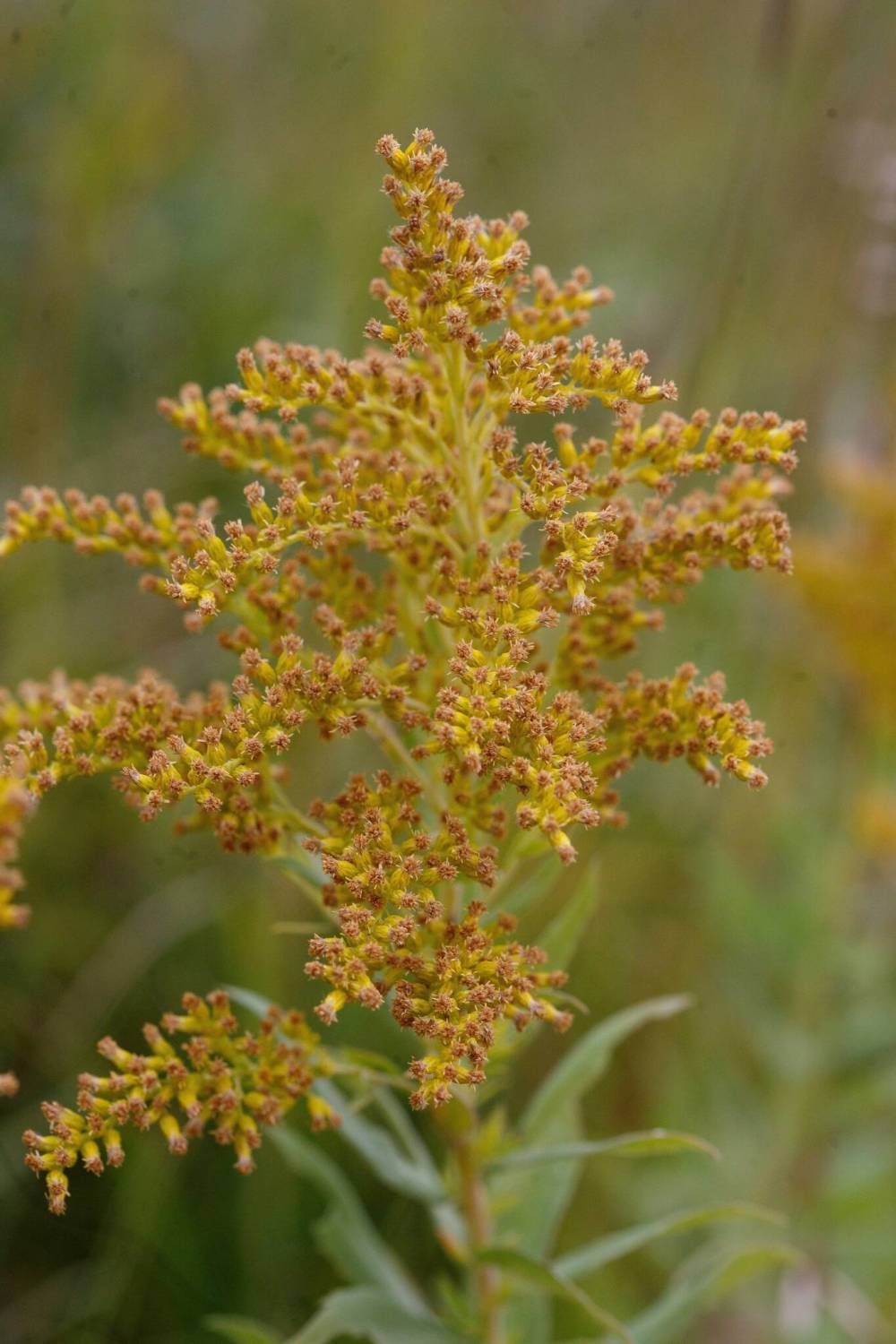
MIKE DEAL / WINNIPEG FREE PRESS
There are more than 100 species of goldenrod, which attract monarch butterflies.
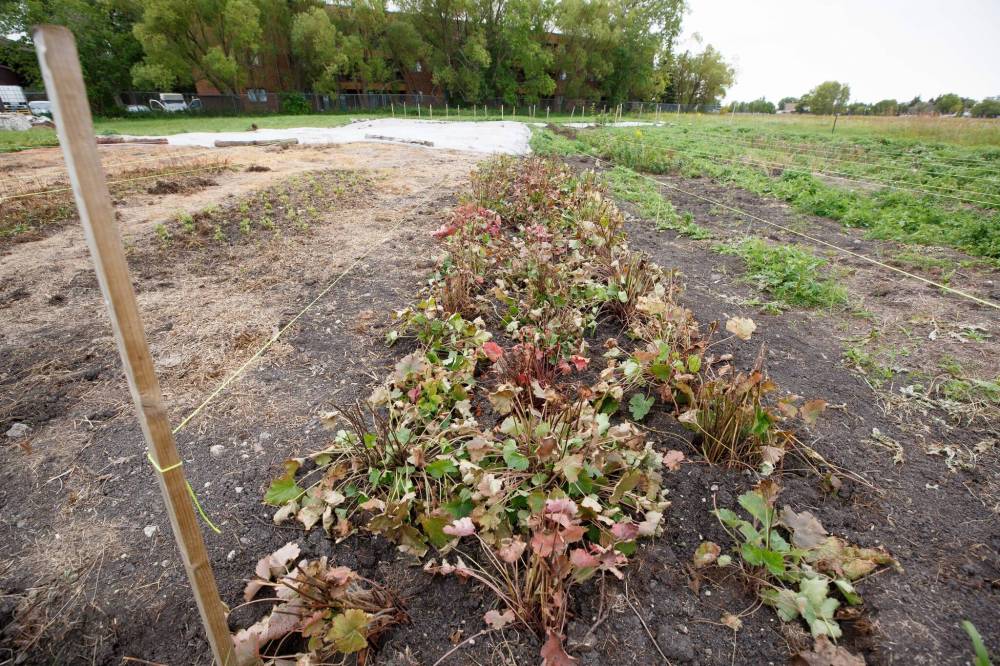
MIKE DEAL / WINNIPEG FREE PRESS
The low-growing Prairie alumroot was recently planted in the seeding garden at the Living Prairie Museum in Winnipeg. Bees are big fans of this plant, feeding on its nectar and pollen.
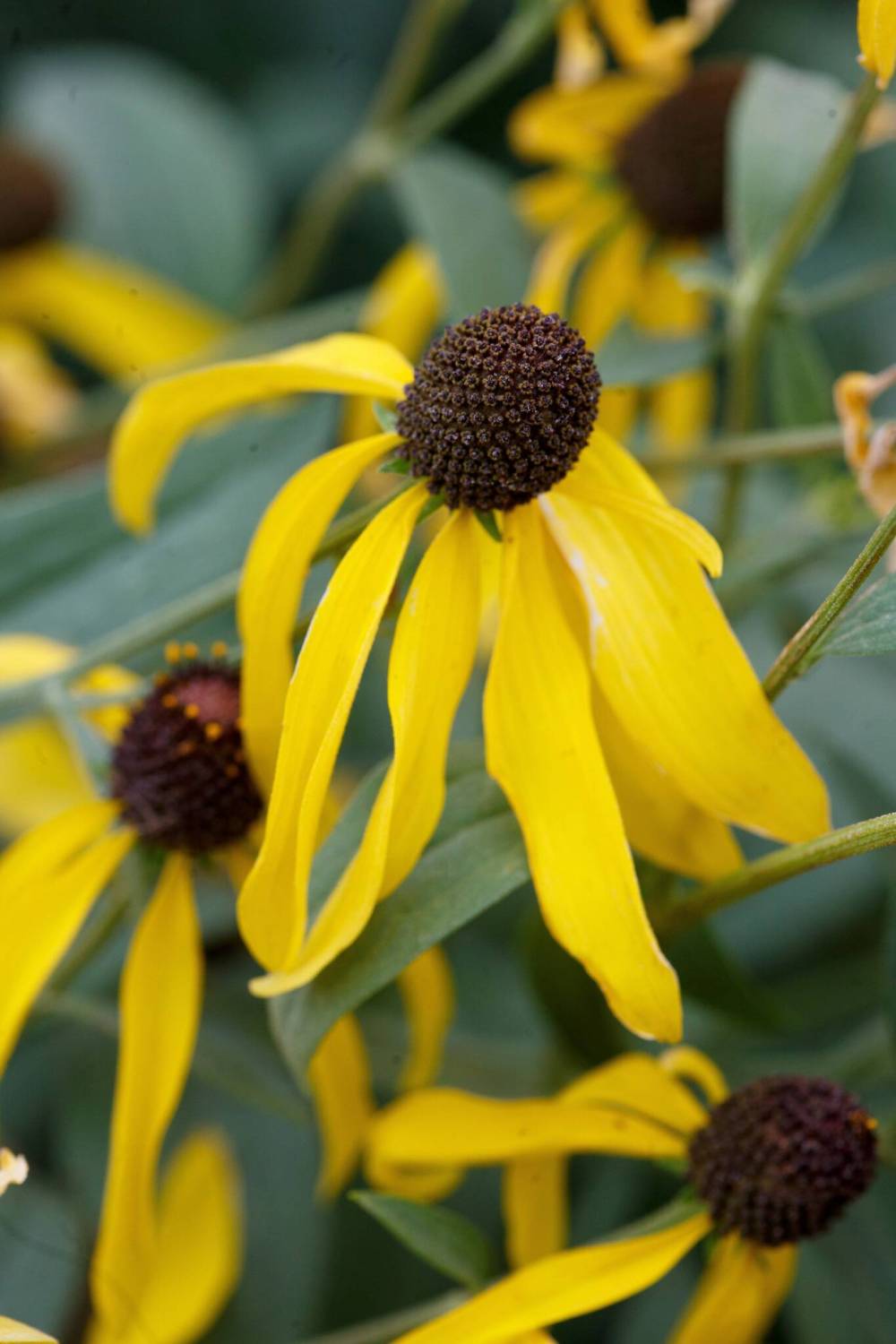
MIKE DEAL / WINNIPEG FREE PRESS
The long-headed coneflower is also known as the Mexican hat.
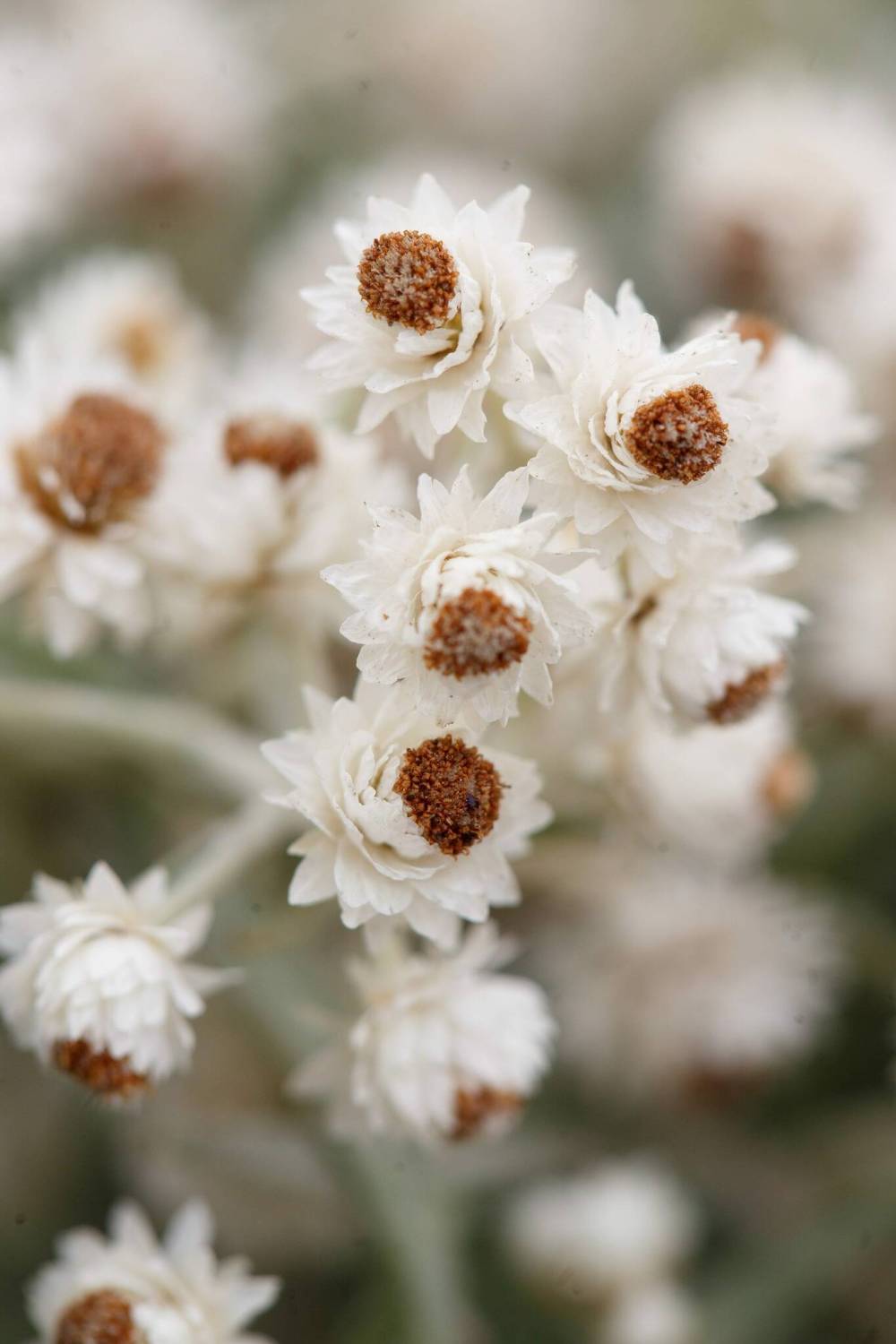
MIKE DEAL / WINNIPEG FREE PRESS
Pearly Everlasting is a perennial that often creates a bushy appearance.
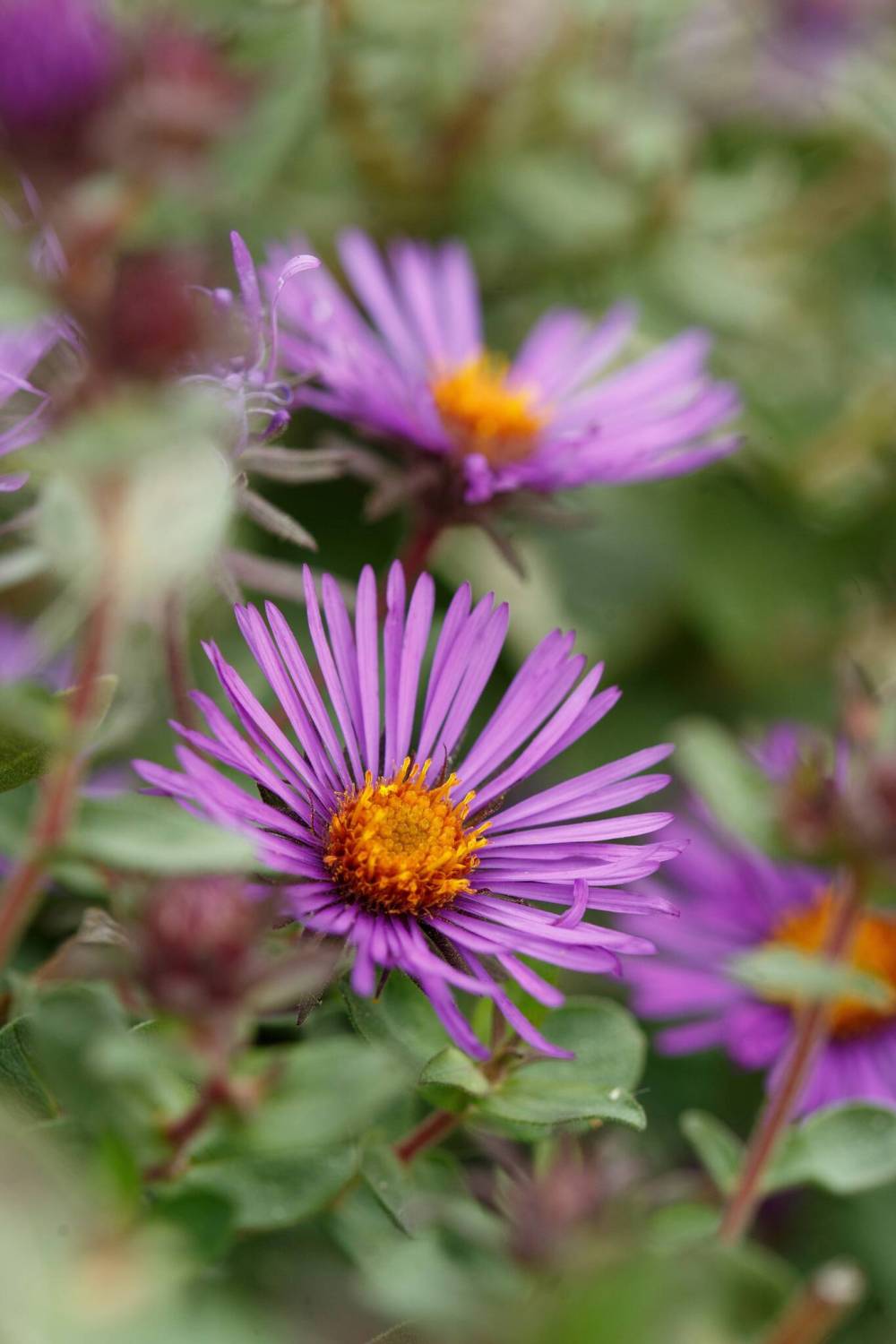
MIKE DEAL / WINNIPEG FREE PRESS
The New England aster is in full bloom this time of year.

Brenda Suderman has been a columnist in the Saturday paper since 2000, first writing about family entertainment, and about faith and religion since 2006.
Our newsroom depends on a growing audience of readers to power our journalism. If you are not a paid reader, please consider becoming a subscriber.
Our newsroom depends on its audience of readers to power our journalism. Thank you for your support.