Calculating true value of civic campaign pledges

The first question Winnipeg voters should ask candidates in the lead-up to this year’s civic election: how do they plan to pay for all the promises they’re making?

Read this article for free:


By clicking the button above, an account will be created and you will begin to receive some of our recommended newsletters. You may opt out of any newsletter by visiting your Email and Communication Preferences page or by clicking "unsubscribe" at the bottom of any email.

or

Already have an account? Log in here »

To continue reading, please subscribe:

Digital Subscription

One year of digital access for only $1.44 a week*

  • Enjoy unlimited reading on winnipegfreepress.com
  • Read the E-Edition, our digital replica newspaper
  • Access News Break, our award-winning app
  • Play interactive puzzles

*Billed as $5.77 plus GST every four weeks. After 52 weeks, price increases to the regular rate of $19.95 plus GST every four weeks. Offer available to new and qualified returning subscribers only. Cancel any time.

To continue reading, please subscribe:

Add Free Press access to your Brandon Sun subscription for only an additional

$1 for the first 4 weeks*

  • Enjoy unlimited reading on winnipegfreepress.com
  • Read the E-Edition, our digital replica newspaper
  • Access News Break, our award-winning app
  • Play interactive puzzles
Start now

*Your next Brandon Sun subscription payment will increase by $1.00 and you will be charged $17.95 plus GST for four weeks. After four weeks, your payment will increase to $24.95 plus GST every four weeks.

Opinion

Hey there, time traveller!
This article was published 11/09/2022 (1535 days ago), so information in it may no longer be current.

The first question Winnipeg voters should ask candidates in the lead-up to this year’s civic election: how do they plan to pay for all the promises they’re making?

The second: are those proposals even doable under current laws, rules or contracts?

Those are fundamentals during any election. But they may be even more important in this year’s vote, given the City of Winnipeg’s deteriorating financial position and the crossroads it is at in areas such as policing, transit and infrastructure.

The Oct. 26 election may be one of the most pivotal in recent memory, particularly in the aftermath of the COVID-19 pandemic and its impact on the city’s books.

WAYNE GLOWACKI / WINNIPEG FREE PRESS FILES
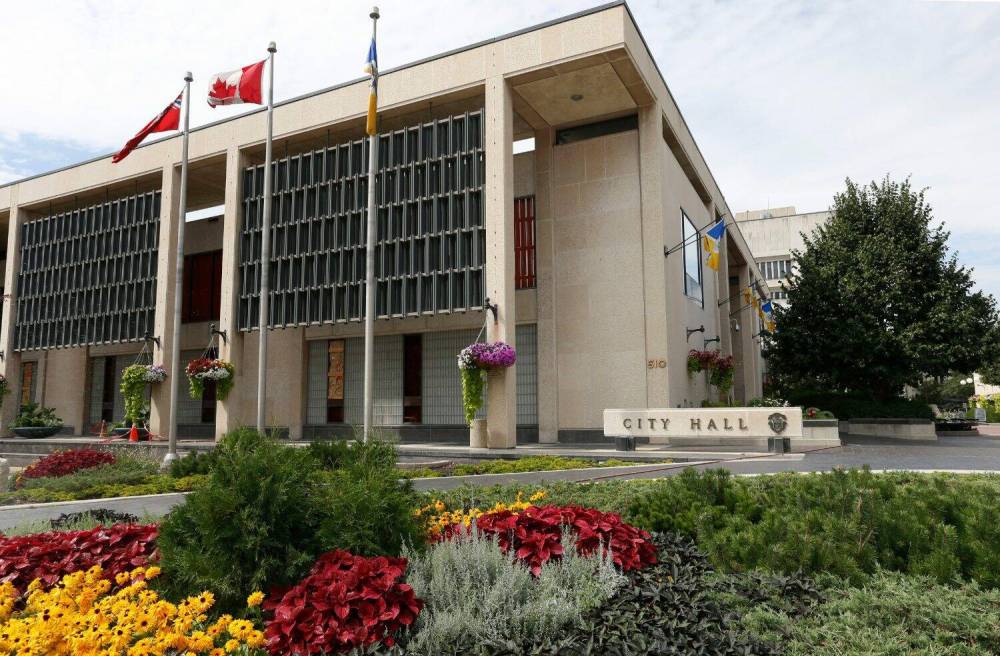
How do Winnipeg's mayoral candidates plan to pay for all the promises they’re making in this year's civic election, and are those proposals even doable under current laws, rules or contracts?
WAYNE GLOWACKI / WINNIPEG FREE PRESS FILES

How do Winnipeg's mayoral candidates plan to pay for all the promises they’re making in this year's civic election, and are those proposals even doable under current laws, rules or contracts?

The city is projecting a $55-million deficit in its general revenue fund in 2022. With shrinking reserves, persistently low Winnipeg Transit ridership and growing costs in emergency response budgets, asking candidates tough questions about how they’re going to pay for the goodies they’re promising is more critical than ever.

So, too, is whether such promises can be achieved under the City of Winnipeg Charter, existing collective agreements or other legal constraints.

Mayoral candidate Jenny Motkaluk, for example, is proposing to freeze the salaries of all civic workers who earn $75,000 or more, including police officers and firefighters. That would free up a lot of future money, but it’s hopelessly unrealistic.

ETHAN CAIRNS / WINNIPEG FREE PRESS
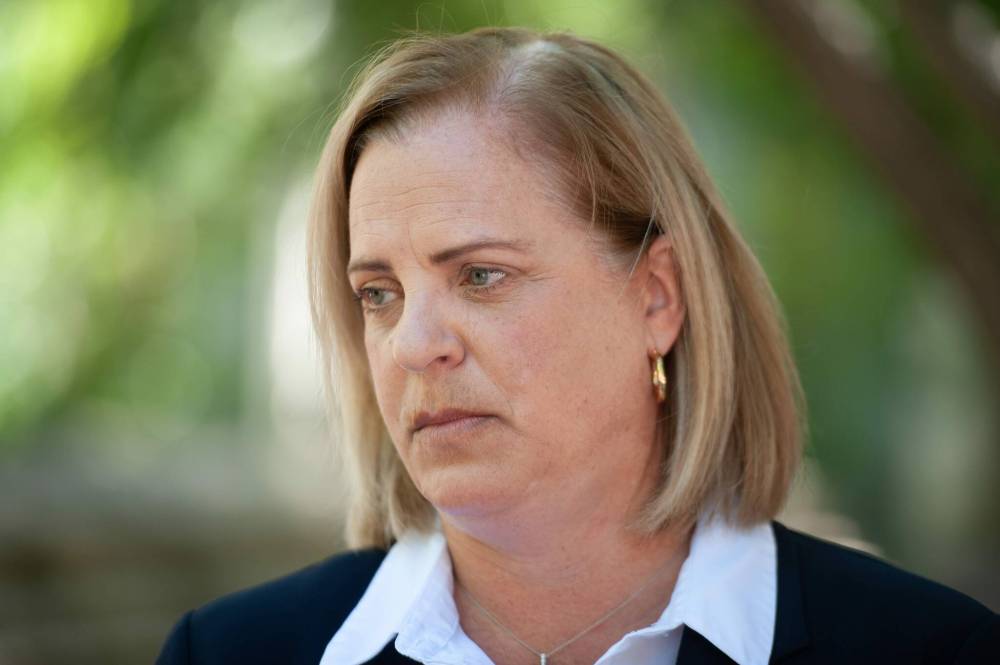
                                Mayoral candidate Jenny Motkaluk is proposing to freeze the salaries of all civic workers who earn $75,000 or more, including police officers and firefighters. To do this, the city would have to convince the province to pass legislation enforcing such a freeze.
ETHAN CAIRNS / WINNIPEG FREE PRESS

Mayoral candidate Jenny Motkaluk is proposing to freeze the salaries of all civic workers who earn $75,000 or more, including police officers and firefighters. To do this, the city would have to convince the province to pass legislation enforcing such a freeze.

City staff are employed under collective agreements. Unless the city could convince the province to pass legislation enforcing such a freeze (which it wouldn’t), city hall would have to violate the terms of several such agreements, which would be overturned by the labour board or the courts.

The city could try to negotiate a freeze, but union negotiators (even if they were in agreement) would demand something in return.

Motkaluk hasn’t done her homework.

By contrast, her pledge to eliminate photo radar and red-light cameras is doable, legally. The city doesn’t need the province’s permission to get rid of them (photo enforcement exists under enabling legislation). However, Motkaluk hasn’t said where she would find the money to replace photo enforcement revenue.

WINNIPEG FREE PRESS FILES
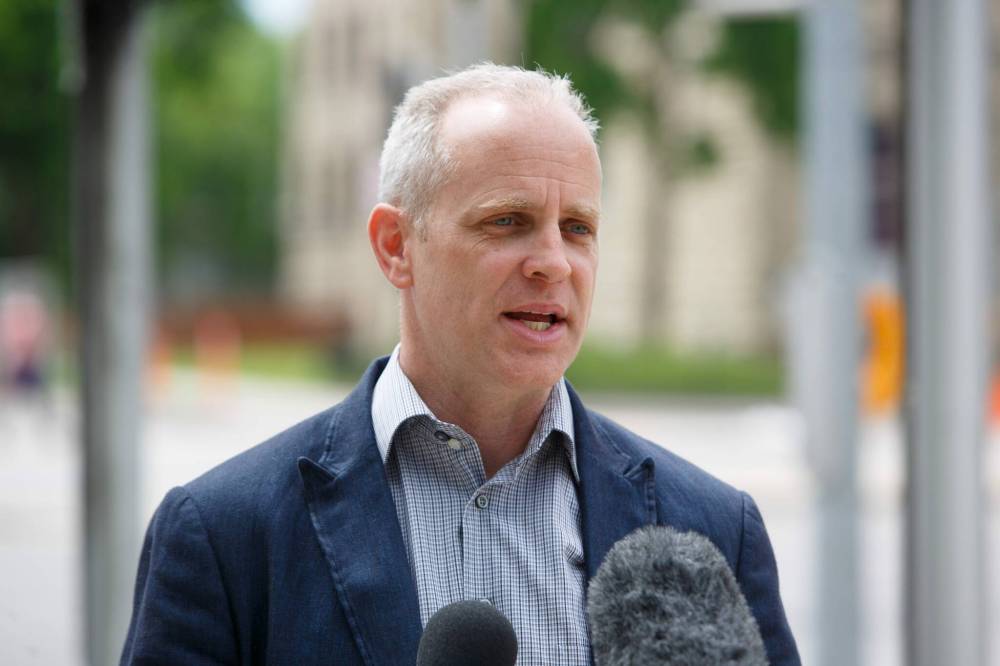
Rick Shone says he wants to fire Winnipeg Police Service Chief Danny Smyth, alleging the top cop is responsible for poor morale. Legally, the mayor can’t fire the police chief.
WINNIPEG FREE PRESS FILES

Rick Shone says he wants to fire Winnipeg Police Service Chief Danny Smyth, alleging the top cop is responsible for poor morale. Legally, the mayor can’t fire the police chief.

Rick Shone, who is also running for mayor, says he wants to fire Winnipeg Police Service Chief Danny Smyth, alleging the top cop is responsible for poor morale. Legally, the mayor can’t fire the police chief. The Winnipeg Police Board hires the chief and Smyth just had his contract extended.

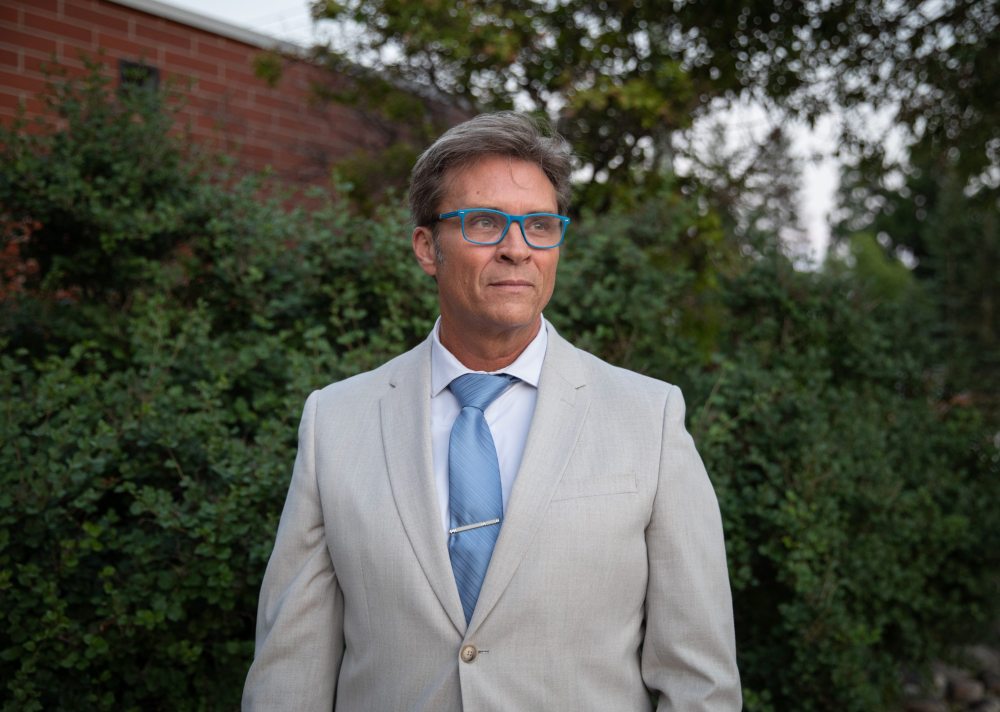
Mayoral candidate Kevin Klein says he would free up police resources by having provincial sheriff’s officers, instead of cops, supervise people in custody who require treatment in hospital.

Sheriff’s officers, who among their duties provide security at courthouses, are not employed by the city, they work for Manitoba Justice. The city has no control over provincial employees.

JESSICA LEE / WINNIPEG FREE PRESS
Mayoral candidate Kevin Klein says he would free up police resources by having provincial sheriff’s officers supervise people in custody who require treatment in hospital, but sheriff's officers are provincial employees, so the city has no control over them.
JESSICA LEE / WINNIPEG FREE PRESS

Mayoral candidate Kevin Klein says he would free up police resources by having provincial sheriff’s officers supervise people in custody who require treatment in hospital, but sheriff's officers are provincial employees, so the city has no control over them.

There’s nothing wrong with city candidates pledging to lobby the province to do something. But that’s all it is — a promise to make a request of another government (which, in Manitoba, is usually rebuffed).

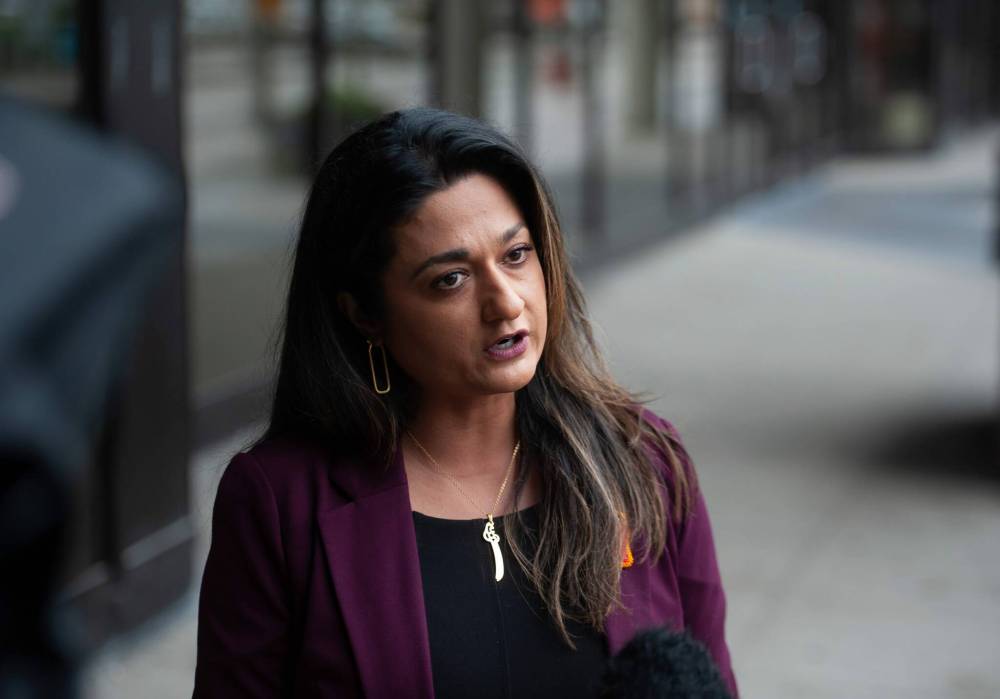
Rana Bokhari says if she becomes mayor she would fund a safe injection site for illegal drug users. It’s doable, since provincial approval is not required. Municipalities can get the required exemption directly from Ottawa.

The benefits of safe consumption sites are well-documented, which include reducing overdoses. They also alleviate pressure on hospitals and emergency responders. It’s a realistic promise that may even convince the provincial government (which has been opposed in the past) to eventually fund it.

ETHAN CAIRNS / WINNIPEG FREE PRESS 
Rana Bokhari says if she becomes mayor she would fund a safe injection site for illegal drug users. It’s doable, since provincial approval is not required. What Bokhari hasn’t said is how the city would pay for it.
ETHAN CAIRNS / WINNIPEG FREE PRESS

Rana Bokhari says if she becomes mayor she would fund a safe injection site for illegal drug users. It’s doable, since provincial approval is not required. What Bokhari hasn’t said is how the city would pay for it.

What Bokhari hasn’t said is how the city, which is drowning in debt, would pay for it.

Mayoral candidate Scott Gillingham says he would spend an extra $50 million over four years on road repair, but he hasn’t said how that would be funded.

Glen Murray, the former Winnipeg mayor (1998-2004) who wants his old job back, has announced a slew of new proposed funding commitments, including more money for Transit safety, community groups, bylaw officers and housing. But he hasn’t said how he would pay for those, either. Does he have another New Deal up his sleeve?

If candidates can’t tell voters how they would finance their promises, or if clarity isn’t provided on seemingly unrealistic campaign pledges, they’re not worth the paper they’re written on.

tom.brodbeck@freepress.mb.ca

Tom Brodbeck

Tom Brodbeck
Columnist

Tom has been covering Manitoba politics since the early 1990s and joined the Winnipeg Free Press news team in 2019.

Our newsroom depends on a growing audience of readers to power our journalism. If you are not a paid reader, please consider becoming a subscriber.

Our newsroom depends on its audience of readers to power our journalism. Thank you for your support.

Report Error Submit a Tip

More Stories

Niigaan and the Lone Ranger podcast rides for first time

Dan Lett 5 minute read Preview

Niigaan and the Lone Ranger podcast rides for first time

Dan Lett 5 minute read Wednesday, Nov. 2, 2022

First off, if you don’t like the name of the podcast, it’s Niigaan’s fault.

Read
Wednesday, Nov. 2, 2022

Reviews of this week's CD releases

8 minute read Preview

Reviews of this week's CD releases

8 minute read Thursday, Nov. 29, 2018

POP / ROCKChristine FellowsRoses on the Vine (Vivat Virtute/Outside Music)

This album from Winnipeg singer-songwriter Christine Fellows’ is aptly titled, since she says many of its 13 songs have been around for a while, written while she was working on other projects and then lovingly nurtured and carefully tended and finally coming to bloom on her seventh full-length studio recording.

Fellows makes baroque art-pop, she’s always been an adventurous artistic spirit and Roses... is certainly a musical expression of that trait, as she brings a rich melange of instruments to bear on the arrangements — everything from a traditional guitar-bass-drums rock configuration to pedal steel guitar, toy synthesizers, cello, gongs and exotic keyboards such as celeste and spinet. You’ll also hear a flock of geese, an old cassette snippet of her grandfather’s voice and even a duet with her life-partner, John K. Samson, on beautifully spare album closer The Swimmer.

Many of the songs started life as simple ukulele melodies and, as a result, this album is probably Fellows’ most accessible; even when stripped to their barest essence — as on Sunrise or Passage — these are hummable tunes.

Read
Thursday, Nov. 29, 2018

Climate talks: people aren’t that stupid

Gwynne Dyer 4 minute read 2:01 AM EST

The blame game over why the COP31 climate talks collapsed will continue for quite a while yet, but the simple, single answer is that people just aren’t that stupid.

The co-presidents, Turkey and Australia, tried a classic “bait and switch” trick in their draft text for the cover document, and about three-quarters of the countries present rebelled against it.

Most countries are not getting rich from fossil fuels and would like to move much faster on cutting emissions: the next few months will probably be the hottest globally in 10,000 years. Unfortunately, back in the early 1990s, when people were just realizing how much trouble we were in, we made one big mistake.

“We,” because at that time almost everybody was aboard. The fossil-fuel producers had not yet realized that their entire business model was in danger. They had certainly not yet started manufacturing climate-change denial. So every country was invited to join the new institutions for fighting climate change — and all decisions would be made by consensus.

AI realty ads not our most pressing issue

Editorial 4 minute read Preview

AI realty ads not our most pressing issue

Editorial 4 minute read 2:00 AM EST

Anyone shopping for a house in Winnipeg has seen it: you go online and look at 20 or 30 pictures of a house you’re interested in, and notice how things can change between different photos of the same spaces.

The first photo of the kitchen can show a range in the foreground and a similar-model fridge further back. But the range is oddly distorted, so that it looks three times the size of its companion appliance.

Or two angles of the same living room, where doorways and the fireplace look impossibly wide in one picture, and somehow normal-sized in the other.

A wide-angle photograph lets you see a whole room in one picture — it also makes a room look larger, and distorts things close to the camera. It’s why you can love the size that rooms seem to be when you look at them online, and yet be sorely disappointed when you get to see the real thing.

Read
2:00 AM EST

Another community newspaper folds

Gabrielle Piché 6 minute read Preview

Another community newspaper folds

Gabrielle Piché 6 minute read Friday, Dec. 10, 2021

There are a few things in Cartwright locals count on: the sun rises, the winter comes, and their weekly newspaper appears at the post office by noon on Thursday.

But, after 122 years in print, the Southern Manitoba Review is closing.

“It’s a little bit like the glue that binds people together,” said Colleen Mullin, the CAO of Cartwright-Roblin. “It’s going to be missed.”

Vicki Wallace, 67, planned to end her one-woman show running the outlet in 2020 — then the pandemic hit. The paper has around 650 subscribers, some of whom have moved across the continent (or to Switzerland) and still want to keep informed on the area’s happenings. Seniors make up the paper’s main fanbase.

Read
Friday, Dec. 10, 2021

U.S. military on the back foot

Kyle Volpi Hiebert 5 minute read 2:00 AM EST

America’s global hegemony has for decades rested upon its vast war machine. Yet technology changes and Washington’s strategic blunders are challenging U.S. hard power like never before. And it’s now buckling under the pressure.

Indeed, military historian Phillips Payson O’Brien recently wrote that the American era was always destined to end. Rather, “what’s shocking is how suddenly that moment arrived.”

How the U.S. regains military supremacy — or whether that’s even possible — is uncertain.

After the Soviet Union collapsed in 1991, America stood alone atop the international hierarchy. Operation Desert Storm during the first Gulf War then broadcast the devastating prowess of new U.S. precision-guided bombs and co-ordinated joint force operations.