|
My first driving test went well, until it didn’t.
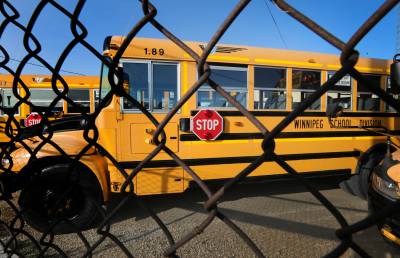
I aced the parallel parking and while I only had a few demerits, the fact I “apparently” didn’t slow down in a school crossing zone triggered an automatic failure.
If at first you don’t succeed, try, try again — only a little slower. And so I did a short while later, and got my Manitoba driver’s licence, only a few months after turning 16.
Advertisement

If I was a 16-year-old today, however, the desire for a second chance at success would be stuck idling for months, given the backlog for MPI road tests won’t be solved until long after the pandemic. The Crown corporation’s goal is to get the wait time for tests down to 45 days by spring. The current backlog is as long as five months.
“We’ve been taken a little bit by surprise in terms of the number of citizens who need our services, and there’s also a backlog that was created during the pandemic, especially as it relates to driver testing,” MPI president Eric Herbelin said Monday during an appearance before a legislative committee.
Really? A surprise?
Let’s review the pandemic for a moment. In July of 2020 — just a few months after COVID first struck — the Free Press reported MPI was trying to clear a major pile-up of postponed road tests as demand for the coveted examination slots outpaced capacity. In May of 2022, we reported nearly 10,000 Manitobans hoping to get a driver’s licence were stuck in a massive traffic jam blamed on the pandemic and seasonal delays.
Surely any of the uber-smart actuaries MPI has on staff could have done some fancy math to have not only predicted this “surprise,’’ but also helped MPI manage the risk and uncertainty COVID was posing to driver testing.
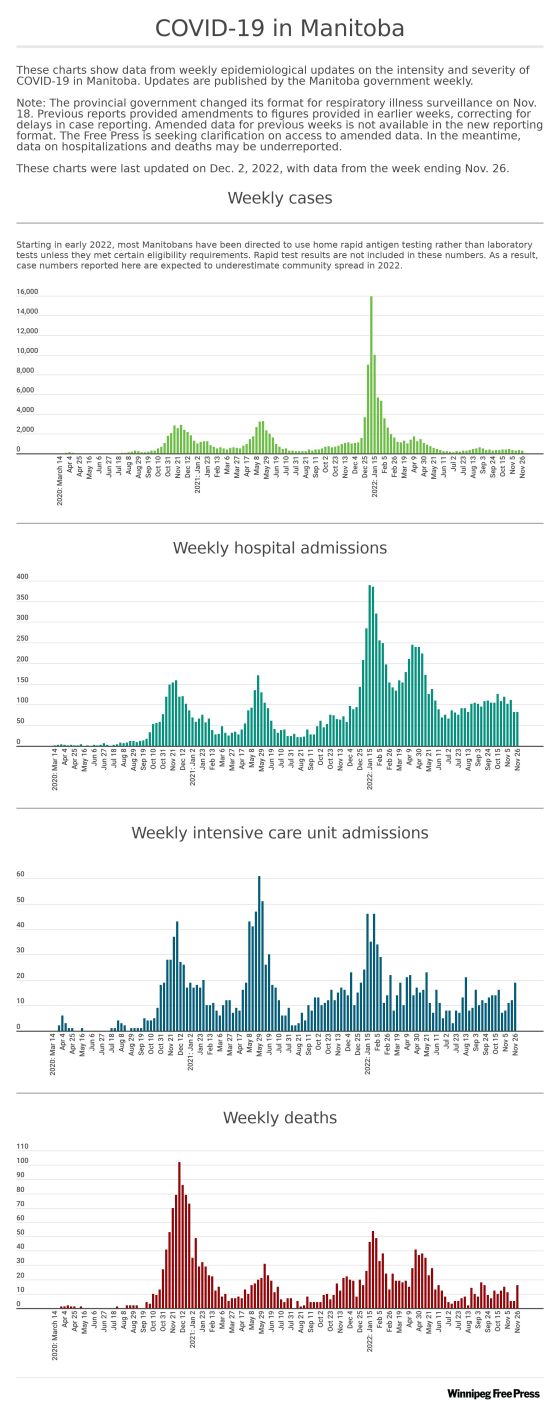
But here we are, nearly three years into the pandemic, and something as basic as getting a driver’s licence remains a work in progress.
To be fair to MPI, they are far from the only ones in the public sector without immunity to COVID-linked surprises. We saw how the federal passport office repeatedly left Canadian travelers in the lurch, unable to deliver on the documents so essential to citizenship. We witnessed the chaos at Canada’s airports as Transport Canada was caught off guard by the fact people might actually want to fly once travel restrictions were eased.
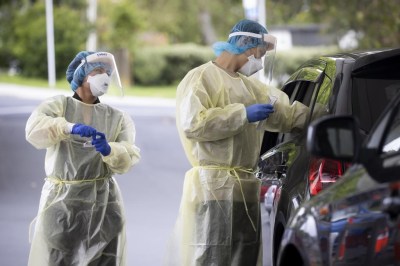
In these cases, and no doubt countless others, the public service failed and continues to fail. What makes their failures all the more troubling is how other parts of the public sector managed to succeed against all odds, time and time again. Nurses, doctors, health care workers and first responders had no such luxury of time to respond to COVID’s curveballs. They were the ones who had to step up their game, work the OT, put themselves at risk, and never let up.
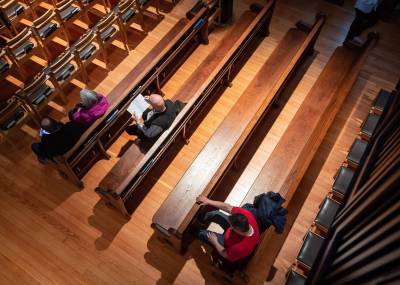
So why the dichotomy? Here’s a theory. Those who had to keep going to their workplace never had a chance to get too remote from the public they were serving. Unfortunately, too many of those who pivoted to remote work did. And when too many public servants are too socially distanced from the public for too long, things don’t get done. Or move too slowly. Or lead to what are now termed “surprises.”
It’s as if those who still had to drive to work found a way to maintain the drive needed to keep things going in the midst of a public health crisis. Those who had the luxury of working from home lost that drive — and still might not have got it back.
If that’s the case, is it any surprise it will take MPI nearly three years to solve a driver testing backlog?
|