|
Tonight, we are going to start by taking a ride in the COVID-briefing time machine so we can go back to my entry from June 22, 2020.
In that nightly dispatch, I wrote about a Safeway and a Service Canada office that are practically neighbours in St. James. At the time, one was open and had been open throughout the early days of the pandemic. The other was closed and had been closed throughout the pandemic. One was home to those the prime minister had called heroes deserving of extra pay for keeping shelves stocked and cash registers ringing. The other was home to staff, who had been well, working from home.
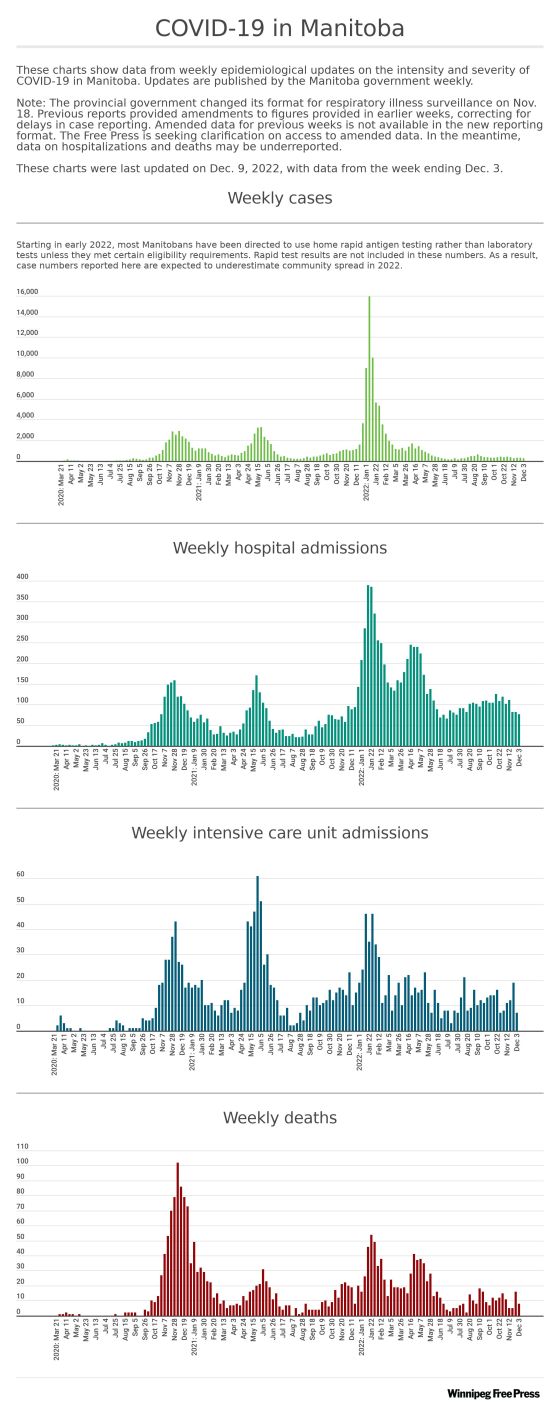
A lot has changed in the 30 months since I wrote that entry as we’ve slowly moved our way through the various waves of COVID. We’ve had far too many deaths, far too much division and far too much disappointment. There has been the promise that came with a vaccine as well as the politics of vaccination. But no matter how you score it, COVID is much further in the rearview mirror as we approach the winter solstice of 2022 than it was when we passed the summer solstice of 2020. Unless, of course, that rearview mirror belongs to the federal civil service. For many who toil at Service Canada and a myriad of federal workplaces, what they see when they look in the mirror is the face of someone who still deserves to work from home.
Advertisement

As Kathryn May wrote in Policy Options, there’s a big fight brewing over Ottawa’s plans to get public servants back in the office for even two or three days a week.
“Sources say Treasury Board’s new mandate will define hybrid work, which currently runs the gamut from working every day at home to making office appearances once a month or a couple times per week. Standardizing hybrid work effectively introduces the “one-size-fits-all” approach Treasury Board had tried to avoid. But people in charge of the public service have been trying to nudge people toward the office for months,” May reports.
(Full disclosure: While our newsroom never shut — not even for one day since COVID arrived — we are nowhere near the kind of attendance we saw pre-pandemic. And yes, there has been reluctance from some staff to heed my calls to spend more time in our newsroom with their colleagues.)
May’s piece notes politics and public perceptions are in play in this latest push to have roughly 250,000 on the federal payroll spend more time in the office.
“The public service is seen as one of the last workforces to return to the office. Meanwhile, trust in government is declining and the bureaucracy’s reputation is taking a beating for service debacles in managing passports, immigration and veterans services.”
In May’s piece, there was one line that jumped out at me from Privy Council Clerk Janice Charette as she reminded her deputies that they have two responsibilities: the management of their departments and being stewards of the public service as an institution.
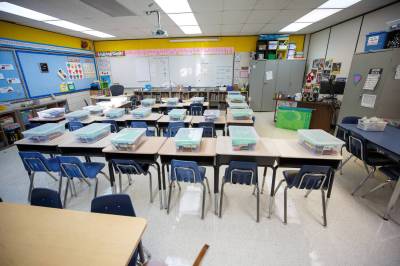
And that is where this gets interesting, especially for those who toiled at Safeway because they had no option to work from home. Or the teachers who have long been back in the classrooms. Or the doctors, nurses and health-care workers whose overtime shifts have robbed them of time at home time and time again during the pandemic. And pretty much everyone else whose work experience has returned to something closer to normal than it was in those early scary days of lockdown.
I get that the bureaucracy is risk-averse by nature, but are they so risk-averse they want to keep the time machine stuck at June 2020 so they can continue to work from home? Do they not see a disconnect between a public service that oversaw the ending of COVID-related restrictions and a public service still reluctant to have an office presence in the present?
|