


Be prepared for ticks this summer

Advertisement
It has been such a quick transition from winter to summer, we really haven’t seen the tick and mosquito season hit the way it normally does. Seems it has gone from pleasantly insect free to quickly a concern.
There has been a big push from the veterinary industry to combine heartworm medications with tick control products, and the results have been quite concerning. While many have used these fairly expensive combinations with no issues, the reports of adverse side effects have been alarming. If a pet is a breed prone to seizures, or the pet itself has a personal or family history of seizures, they can be at risk of severe side effects. So before using these, make sure you have researched whether it is the right product for you.
Heartworm pills are not something you can skip, please. They are standard medications with very few side effects and are very effective. It is essential, however, to test regularly, because should your pet have become infected in spite of the pills/chews, and the worms have infested the heart area, giving the treatment would kill those worms, and create a septic environment that could kill the pet. So, regular testing — at the veterinarian’s recommended intervals — and diligent use of the single purpose heartworm pill is an imperative.
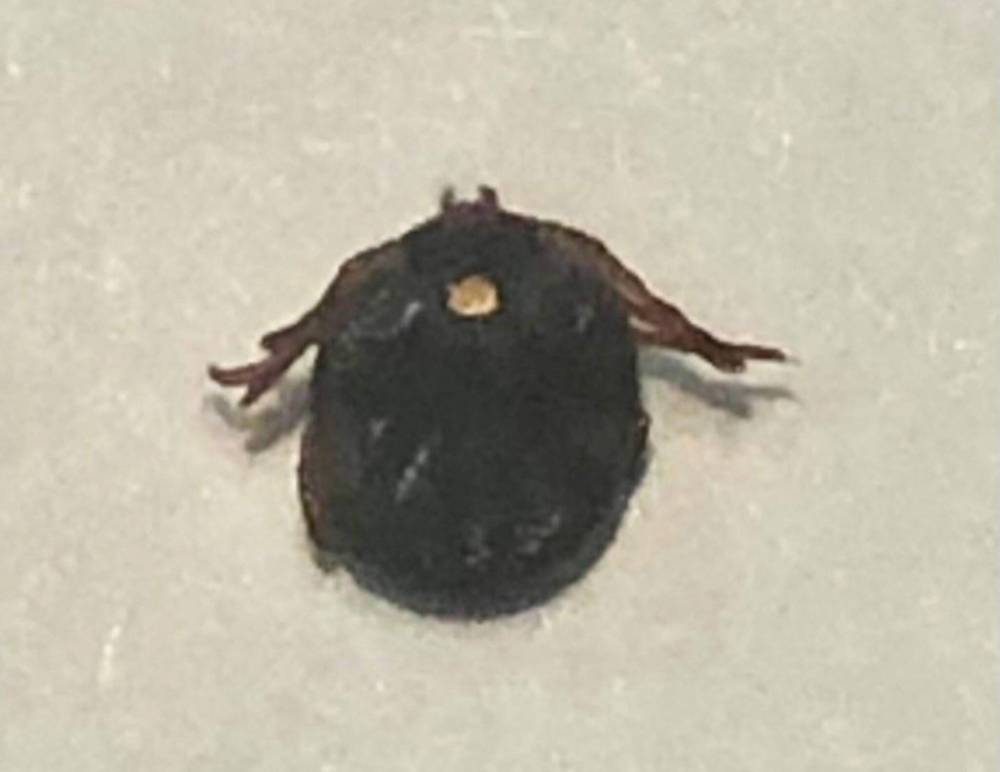
File photo
Summer has arrived, and ticks with it. There are both chemical and natural products for effective pest control.
If you are comfortable with the combination medications (Heartworm, flea, tick), and have used them with your current pets previously with no ill effects, there is no reason not to continue. If you have reservations about trying them on a new pet, have had some reactions in the past, or are looking for a less expensive option, there are a number of natural solutions out there.
There are both topical and ingestible products that can effectively repel ticks, mosquitoes and fleas. Many of our customers use a combination of them to give the best possible results.
Feeding the pet an herbal blend that is designed to give them a flavour the ticks don’t like is one layer of protection. Some people will use a low dose of garlic (safe for dogs in small doses), others will use a blend that contains things like neem leaf, quassia bark or spirulina. These can be administered for one week each month and have a good result in discouraging ticks.
Topically, essential oils have been very effective with our clients. The most popular method has been using a collar that has the oils imbued into a silicone base, which rubs off on the dog, continuously replenishing the protection. Out at the lake for weeks on end and not wanting to re-apply every time you let them out, these are convenient and, when used properly, very safe.
There are many recipes for essential oil sprays on the internet, most revolve around lemon eucalyptus, citronella or rose geranium oils. Mixed with water or a water/alcohol mix, they can be effective sprays for dogs that do not have issues with the essential oils. More recently, there is a product on the market that uses the part of the lemon eucalyptus essential oil that repels ticks, but not the rest of the oil. This apparently makes the product safer, and is recommended for both pets and people, with endorsements from the CDC and Health Canada that it is as effective as DEET. To be effective, the sprays have to be reapplied regularly and appropriately.
There are both chemical and natural products for effective pest control. Deciding which path is best for you and your pet doesn’t take a lot of research, but making an effort to protect them is essential, whichever path you choose.
Jeff McFarlane
Pets Are People, Too
Jeff McFarlane is the owner of Thrive Pet Food Market. Contact him with your questions or ideas thrivepetfoodmarket@shaw.ca or visit www.thrivepetfoodmarket.com
Our newsroom depends on a growing audience of readers to power our journalism. If you are not a paid reader, please consider becoming a subscriber.
Our newsroom depends on its audience of readers to power our journalism. Thank you for your support.
Jeff McFarlane
Pets Are People, Too
Jeff McFarlane is the owner of Thrive Pet Food Market. Contact him with your questions or ideas thrivepetfoodmarket@shaw.ca or visit www.thrivepetfoodmarket.com
Our newsroom depends on a growing audience of readers to power our journalism. If you are not a paid reader, please consider becoming a subscriber.
Our newsroom depends on its audience of readers to power our journalism. Thank you for your support.
Advertisement Advertise With Us
Advertisement Advertise With Us