


Death, taxes and scams
Stay clear of sophisticated scams as you prepare to file your taxes

Advertisement
It’s tax season again. The Canada Revenue Agency has opened for filings and set the deadline for April 30, as always. While taxes are oft-referred to as one of the certainties of life, getting help and filing electronically can quickly become an uncertainty for unsuspecting taxpayers.
While caught up in the hurry of the everyday hustle and bustle, it’s easy to click on a link “to get your tax return” – especially expecting and needing the money back. It’s also easy to send all your tax information to the lowest-bidding tax preparer who appeares very professional and responsive. It’s easy to use a free tax-submission form to send your returns in yourself. However, just one misstep in doing any or all of these things can send you in a very wrong direction – just one moment of distraction or tiredness.
They’re all normal parts of tax season: securing a professional to prepare your return, or finding an online platform to file your own, and possibly receive funds at the end of the process. But scammers have become more sophisticated and yes, they have infiltrated all these normal activities to take your money and, potentially, your identity.
Be sure to verify your tax preparer by following recommendations of family and friends. You can look up the person or a company’s name on bbb.org and ask for their credentials. Be sure to get a copy of all fees in writing ahead of time – and trust your gut if anything feels off.
If you’re filing your own taxes, be sure to follow the verified links from the CRA’s official website to online filing platforms. You can ensure you’re on the CRA’s real site by checking the url. Make sure it contains “https” and no extra letters or symbols in the “canada.ca/en/services/taxes.” Do not click on just any link from a search engine and input your personal information.
When you’re done filing your taxes, remain vigilant in securing your return or paying what you owe. The government will direct deposit your return into your bank account if you have that option set up, so you do not need to entertain any emails, calls or texts with links to get your return. If you owe money, there are several ways to pay listed on the official government website. Again, ensure you’re not clicking on links from communications sent to you. Go to the verified site to review your options.
Tax scams hit especially hard because they usually enable the scammers access to their victims’ social insurance numbers and use those numbers to commit identity theft. They may open unauthorized accounts, make big purchases or file a fake tax return to get your money before you can. If you receive a letter from the CRA informing you that more than one tax return has been filed with your information, verify the letter is legitimate by independently looking up and calling the phone number for CRA. Talk to the agent about the letter to ensure it’s real, then take next steps to secure your account with them. It’s also recommended that you call the credit bureaus to place a fraud alert on your accounts, notify your financial institutions and contact Service Canada. You can also contact local law enforcement to file a police report.
It’s a predictable time of the year, and with these safeguards, you can help keep it that way.
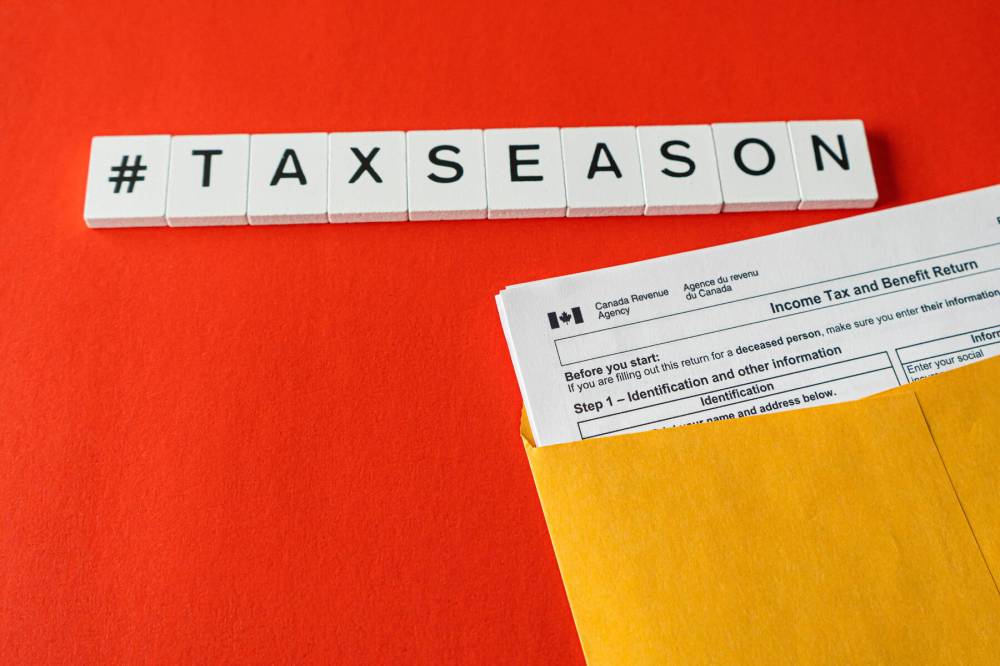
Adobe Stock photo
Remember to be vigilant every step of the way as you prepare and file your tax return this year.
Better Business Bureau
BBB helps people find and recommend businesses, brands and charities they can trust.
Our newsroom depends on a growing audience of readers to power our journalism. If you are not a paid reader, please consider becoming a subscriber.
Our newsroom depends on its audience of readers to power our journalism. Thank you for your support.
Better Business Bureau
BBB helps people find and recommend businesses, brands and charities they can trust.
Our newsroom depends on a growing audience of readers to power our journalism. If you are not a paid reader, please consider becoming a subscriber.
Our newsroom depends on its audience of readers to power our journalism. Thank you for your support.
Advertisement Advertise With Us
Advertisement Advertise With Us