


Live in peace and harmony with your pet

Advertisement
We get a lot of inquiries about pets with anxiety. Most of these concern separation anxiety, but there are some pets with reactive issues and others with trust issues.
The one sure way to quell these issues is medication, but this is not a good idea or a long-term solution.
A lot of these issues come from early life traumas. Many rescue dogs, and most of those that are returned to shelters owing to these issues, come from unknown backgrounds, which may include bad breeding, or issues in the first few months of their lives. Dogs coming from abusive or neglectful homes can end up with many different forms of anxiety.
If they were abused and/or beaten, they can have trust issues and may fear-bite. Pets such as these should never be in a home where that could lead to injury of a child or a compromised adult. In the hands of a patient, trained handler, these issues can sometimes be overcome, and with proper nutrition and supplementation using calming herbs, the pet can even become adoptable. But they can still be triggered, so knowing the history of the pet is very important.
If they were neglected, we see a number of different reactions. Resource-guarding can be a major issue, with the pet vigorously defending its food bowl, or treats and chews. This can lessen over time as they realize there is no longer an issue but, again, awareness that this was an issue is important, as they can regress and end up in conflict with their guardians or with other pets in the household.
Bad breeding can lead to issues both mental and physical. Some of these pets are just “off” mentally – unpredictable in their response to everything – and sometimes there’s nothing that can be done. If there is a physical issue, they can be in pain or discomfort, and we all know, when we are hurting it is hard to be cheery and pleasant. Addressing the underlying physical issue can go a long way to turning around behaviour. Whether with drugs or nutritional supplements, making them more comfortable can also make them more predictable.
Working with these animals to identify the issue/trigger and then using appropriate therapies to reassure them that they are now in a safe space can be the best, most lasting treatment. But unfortunately, therapy does not always work. We fostered a tiny male toy poodle who came from an animal hoarder in an abusive home. The abuser was a large, bearded man, unfortunately, and the little guy was very traumatized. We spent months working with him, giving him the best foods, and I held him for hours at a time, with soothing tones and little treats, but he could never get past the fear. The second I let him outside, he’d hide under the shed until Jackie came home to “rescue” him.
In cases such as this, the best option is to find a home in which the trigger does not exist. He ended up in living with a lovely, retired woman, and I don’t think his feet were on the floor very much after that. So, sometimes fixing an issue is not possible but removing the obstacle is.
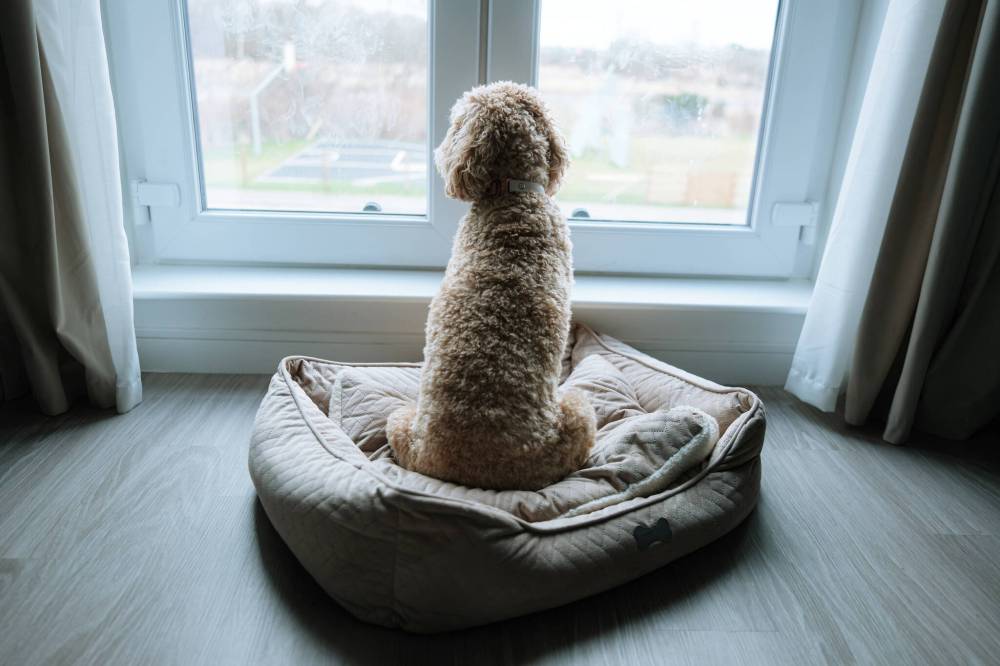
Adobe Stock photo
Many people make decisions on pets based only on looks and size but making sure a pet and guardian will have a harmonious relationship is most important.
Many people make decisions on pets based only on looks and size. Knowing the animals’ history and asking about any potential issues should be a far more important part of your decision making. Owning a pet can be a 15-year commitment (or more), so making sure the pet and guardian will have a harmonious relationship is most important.
Jeff McFarlane
Pets Are People, Too
Jeff McFarlane is the owner of Thrive Pet Food Market. Contact him with your questions or ideas thrivepetfoodmarket@shaw.ca or visit www.thrivepetfoodmarket.com
Our newsroom depends on a growing audience of readers to power our journalism. If you are not a paid reader, please consider becoming a subscriber.
Our newsroom depends on its audience of readers to power our journalism. Thank you for your support.
Jeff McFarlane
Pets Are People, Too
Jeff McFarlane is the owner of Thrive Pet Food Market. Contact him with your questions or ideas thrivepetfoodmarket@shaw.ca or visit www.thrivepetfoodmarket.com
Our newsroom depends on a growing audience of readers to power our journalism. If you are not a paid reader, please consider becoming a subscriber.
Our newsroom depends on its audience of readers to power our journalism. Thank you for your support.
Advertisement Advertise With Us
Advertisement Advertise With Us