


Can we ever go home again?

Advertisement
How many of us can go home again after leaving for decades?
Leaving the place of your birth to make a new life in a different country — for political, economic or social reasons — creates a chasm that’s difficult to bridge. Many immigrants and refugees speak of the “no-man’s land” that immigration creates for them. But what if the place of your birth does not feel like home?
Ndubuisi Okwumabua, popularly known as NDU, was born and raised in Treaty One Territory, also known as Winnipeg, a place that he’s stated, “is special in his heart.”
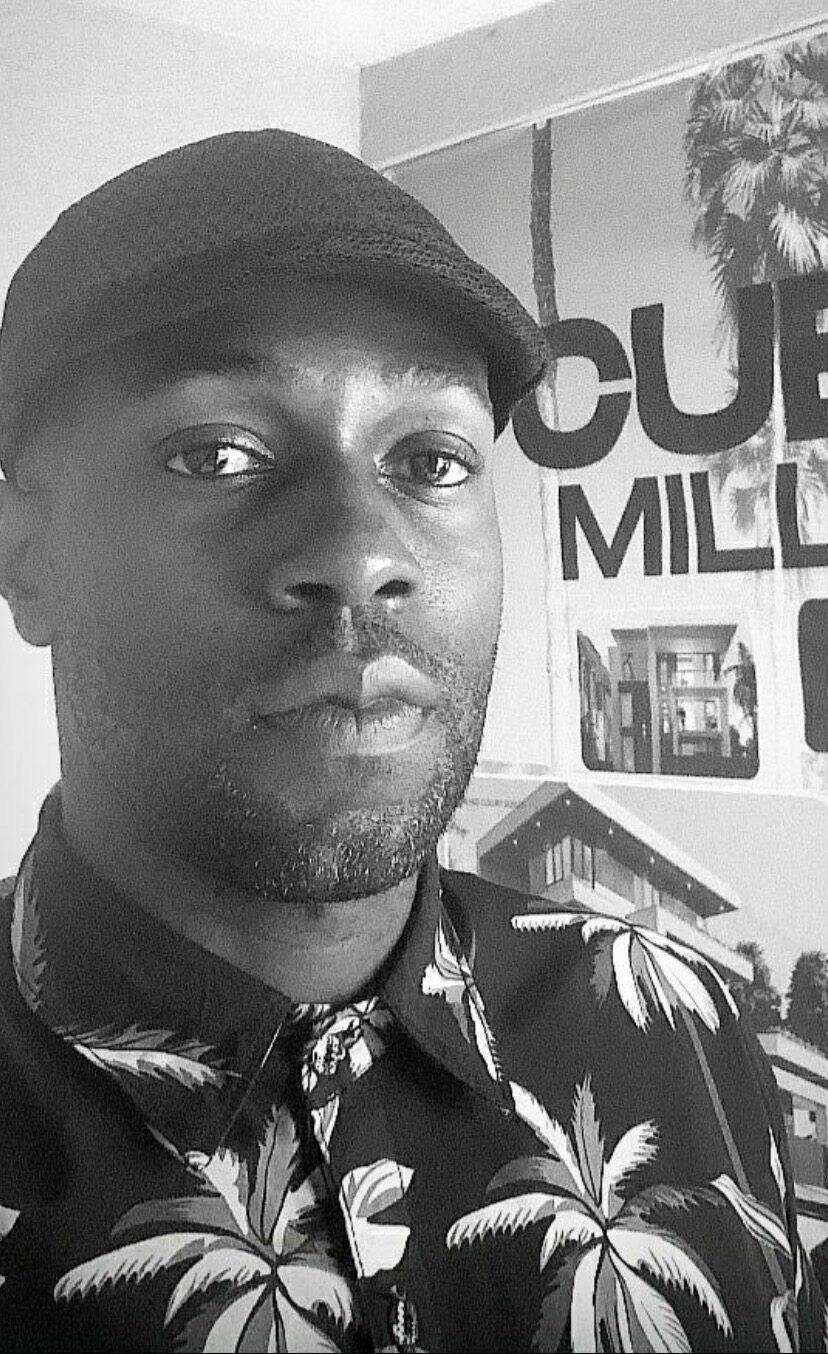
Supplied photo
Ndubuisi Okwumabua, popularly known as NDU, was born and raised in Winnipeg but moved to Nigeria, where his family is from, a decade ago.
NDU’s Nigerian family moved to Winnipeg to escape the Biafra war, to find peace and to rebuild their lives in a new land.
A self described “sensitive-creative,” NDU is a singer, producer, and community development worker. As a graduate of the University of Manitoba with a major in theology, he admitted that he was not excited about post-secondary education, but felt an obligation to enroll in a post secondary institution to honor his parents’ sacrifice of leaving their homeland to give their children a better life with more opportunities.
“Theology was the only thing that made sense to me at the time. I was not studying theology to become a pastor, but to learn more about spiritual traditions. Connecting to the creator helped me when I felt overwhelmed with emotions,” he said. “I felt the world was spiritually off balanced. At the same time, I was exposed to Indigenous awareness training and culture. I learned about the meaning of the eagle feather and sweet grass, smudging. I have great respect for the Indigenous culture and I see some similarities to my own Nigerian culture. I took it all in.”
About a decade ago, NDU left his immediate family and home in Winnipeg to return to Nigeria, as he felt disconnected from Canadian culture, and has been living there ever since in an attempt to “decolonize” himself.
“I needed to reconnect with my spirit which I felt was necessary to feel grounded,” he said. “But the people in Nigeria see me as a foreigner and an outsider. I look different, my hairstyle is different, my clothing and language have been colonized out of me. I am trying to bring my spirit back into me as sometimes I feel lost and searching… for what I do not know.”
NDU’s idealized version of home did not pan out in many ways and he learned some hard lessons. He said he was disappointed with the level of money-driven corruption he sees around him.
“Although Nigeria is independent, it’s still colonial in essence, there’s corruption and it is very much controlled by the capitalists,” he said. “It’s hard for me to adjust to that. I find myself sitting between a rock and a hard place.”
Yet NDU cannot deny his Nigerian roots and does share some of their essential values. As a result, he was forced to look within himself for the answers he sought. He realized that he had a lot of his own emotional baggage to unpack and to face his demons of self-loathing and depression.
“I have to find love within myself first,” he concluded. “I feel deeply about the state of the world. There’s a lot of hopelessness in the world, a feeling that there is no way out. I’m trying to restore love.”
After many years of working in group homes and the underserved community in Winnipeg, while at the same time trying to make a name for himself in the music industry, NDU said that his experience working at the Freight House and IRCOM has given him a blueprint for working with disadvantaged or underserved youths and he is applying that same blueprint to create programs for youths in his community.
“This gives me joy,” he said. “It lessens my anxiety and the anxiety of the people I work with.”
Comparing opportunities in Canada to those in Nigeria, NDU said that there does not appear to be any help for young people to pursue their crafts like in Canada.
“I’ve received grants from the government to help me with my music and l am grateful.”
Beatrice Watson
Fort Rouge community correspondent
Beatrice Watson is a community correspondent for Fort Rouge.
Our newsroom depends on a growing audience of readers to power our journalism. If you are not a paid reader, please consider becoming a subscriber.
Our newsroom depends on its audience of readers to power our journalism. Thank you for your support.
Beatrice Watson
Fort Rouge community correspondent
Beatrice Watson is a community correspondent for Fort Rouge.
Our newsroom depends on a growing audience of readers to power our journalism. If you are not a paid reader, please consider becoming a subscriber.
Our newsroom depends on its audience of readers to power our journalism. Thank you for your support.
Advertisement Advertise With Us
Advertisement Advertise With Us